MHOGD
Chapter 9
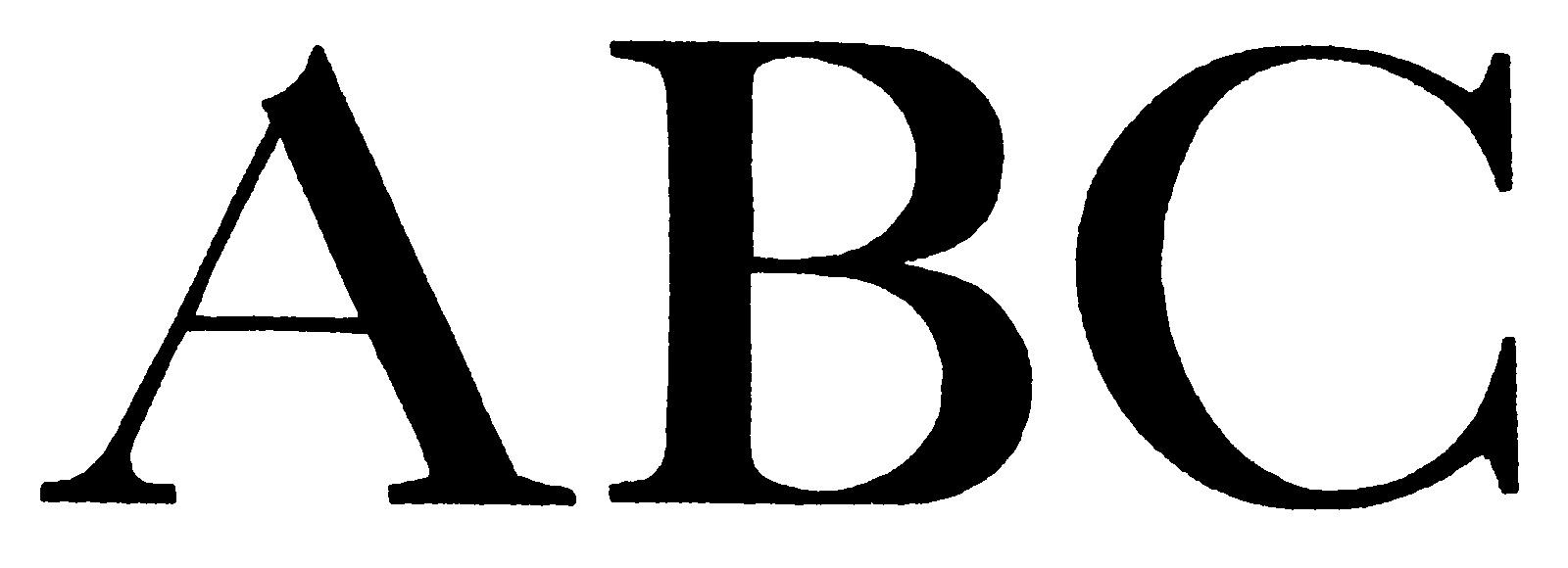
9–1. William Caslon and William Caslon II, title page from A Specimen of Printing Types
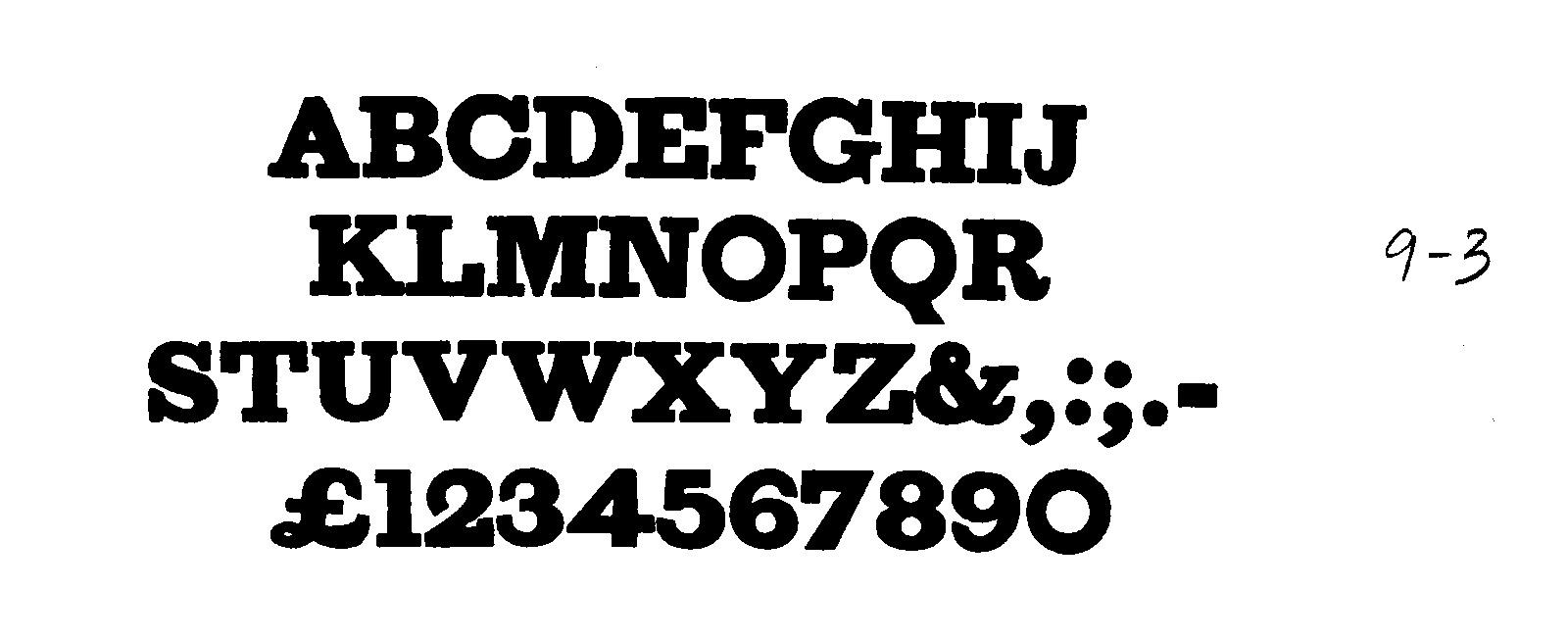
9–2. Thomas Cotterell, twelve lines pica, letterforms
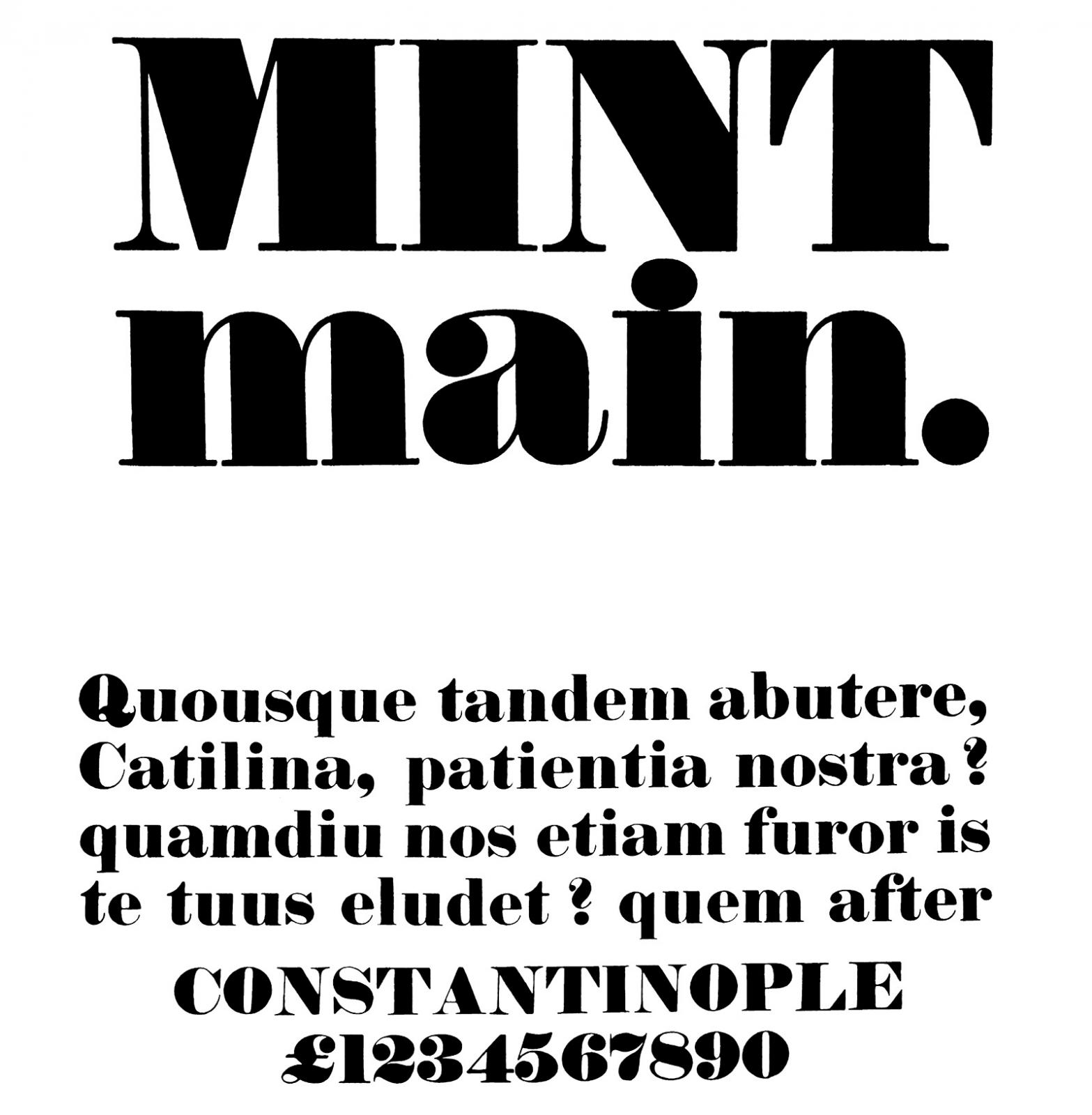
9–3. Robert Thorne, fat-face types
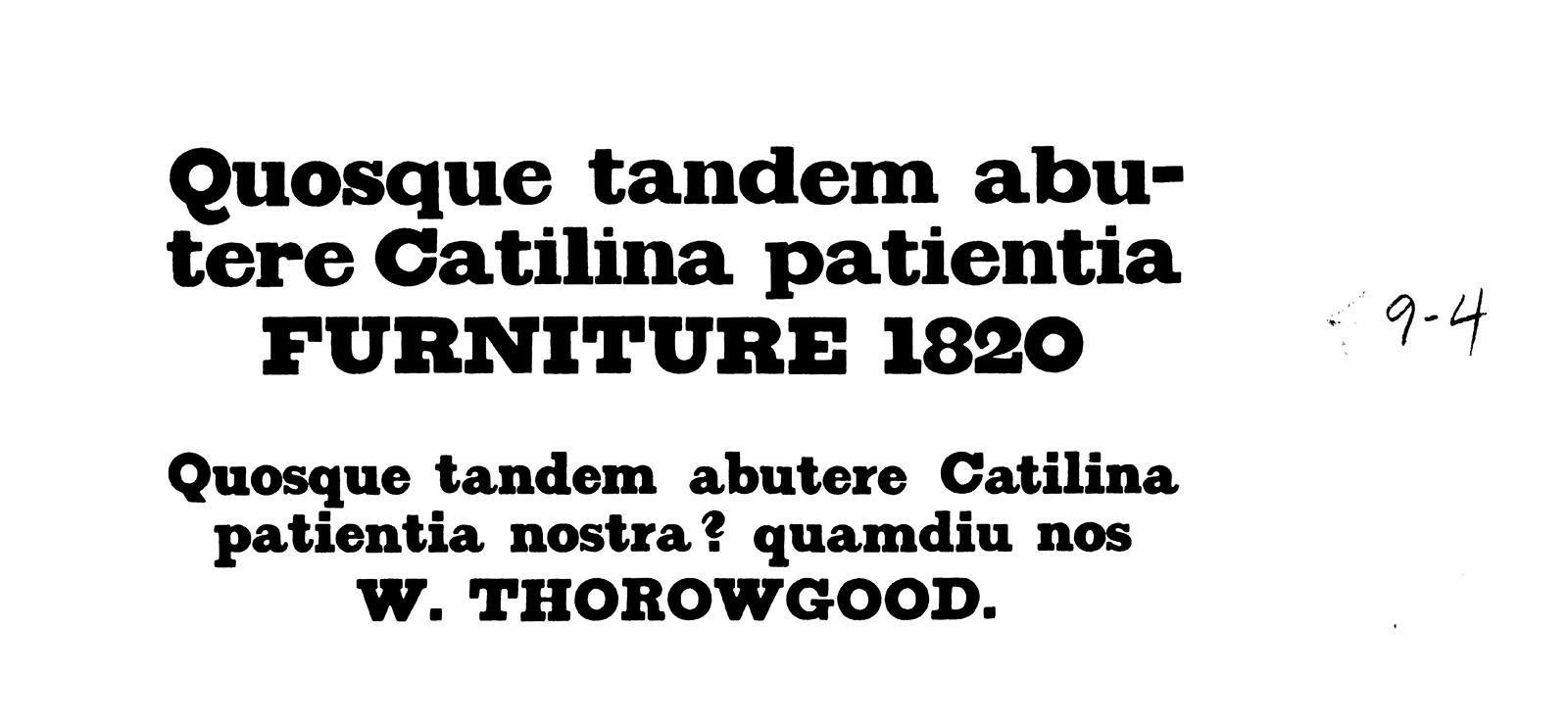
9–4. Vincent Figgins, two lines pica, Antique
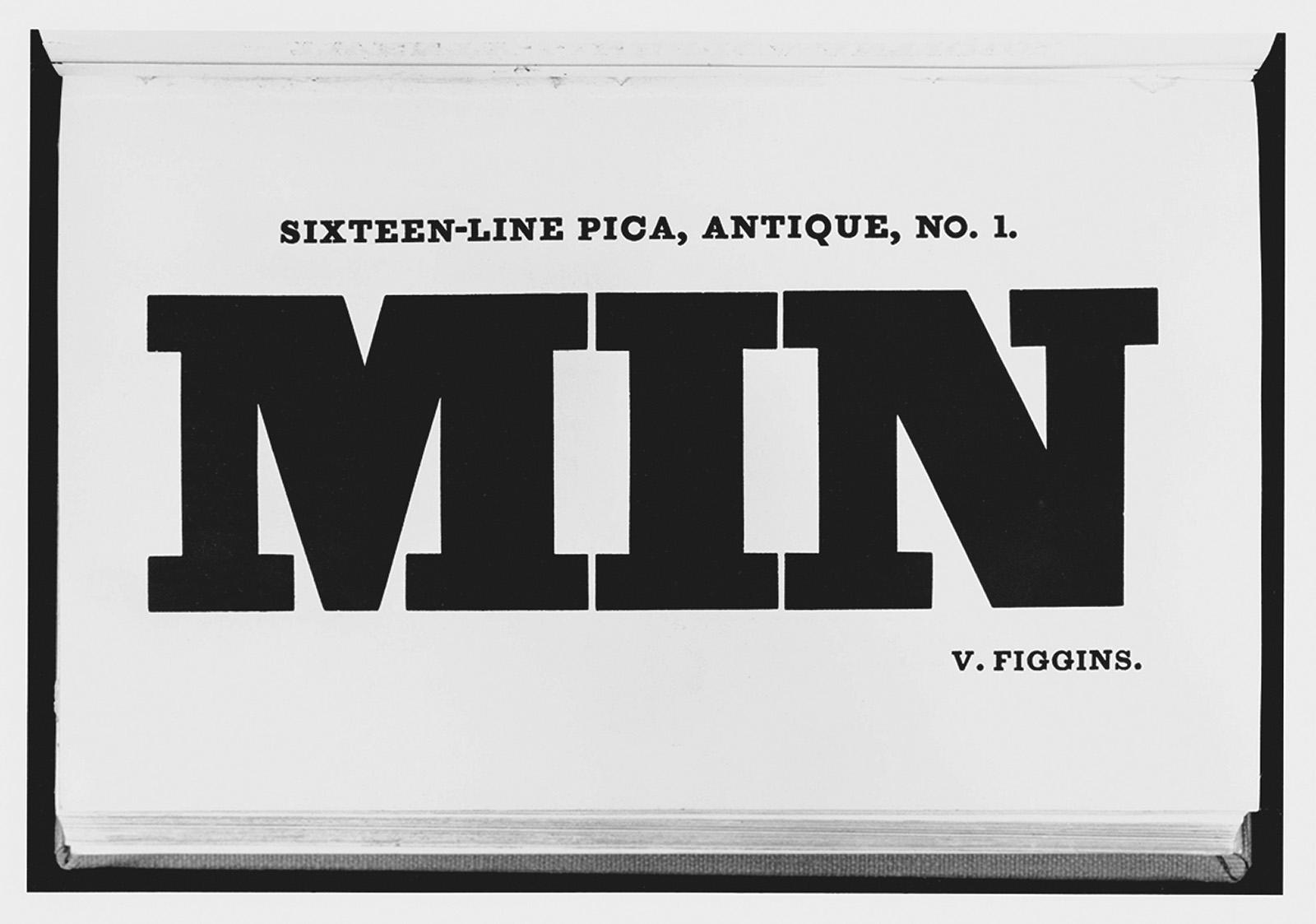
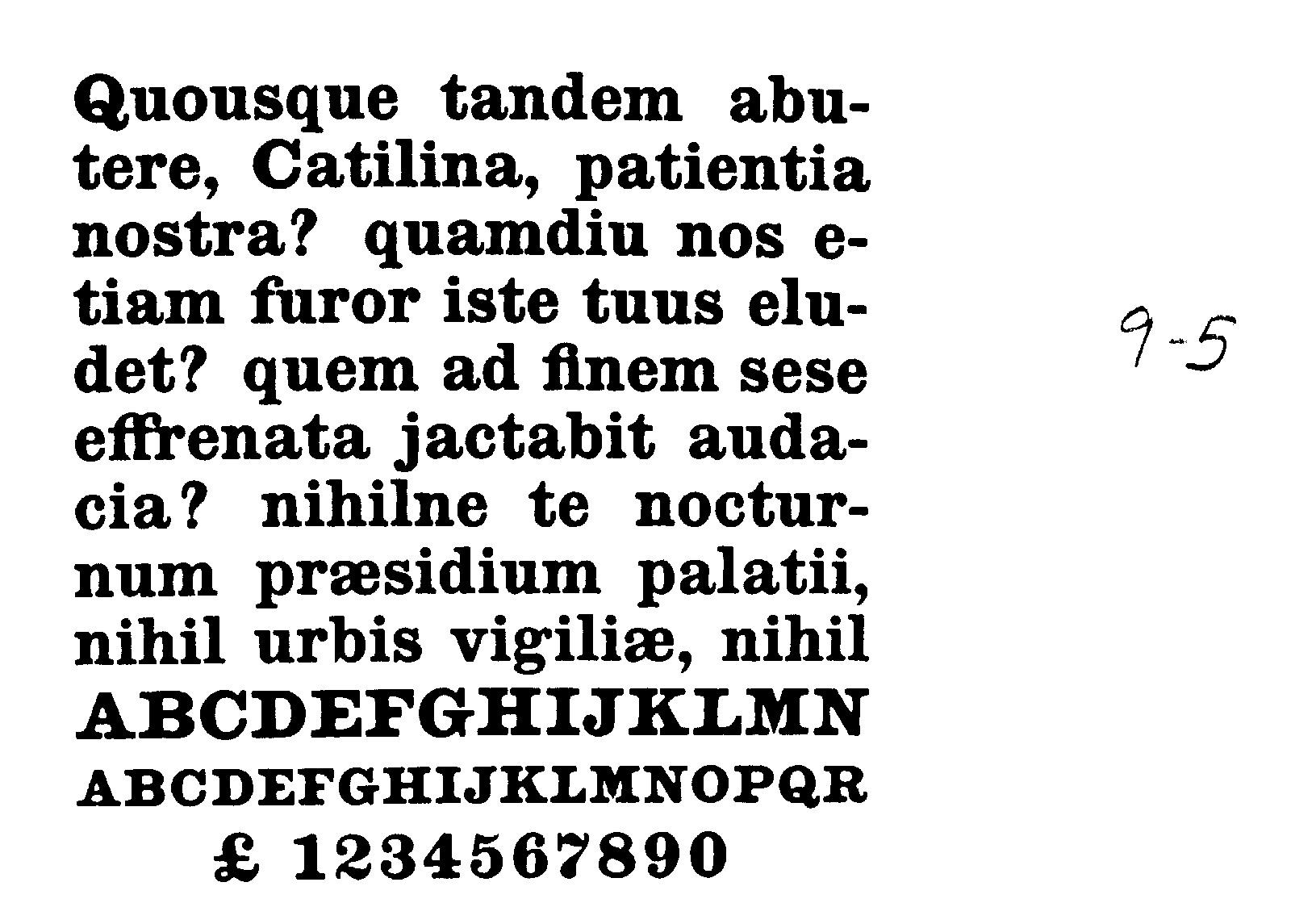
9–5. Vincent Figgins, sixteen-line pica, Antique
9–6. Robert Thorne, Egyptian type designs
9–7. Henry Caslon, Ionic type specimen
9–8. Robert Besley (designer, with William Thorowgood), specimen of an early Clarendon
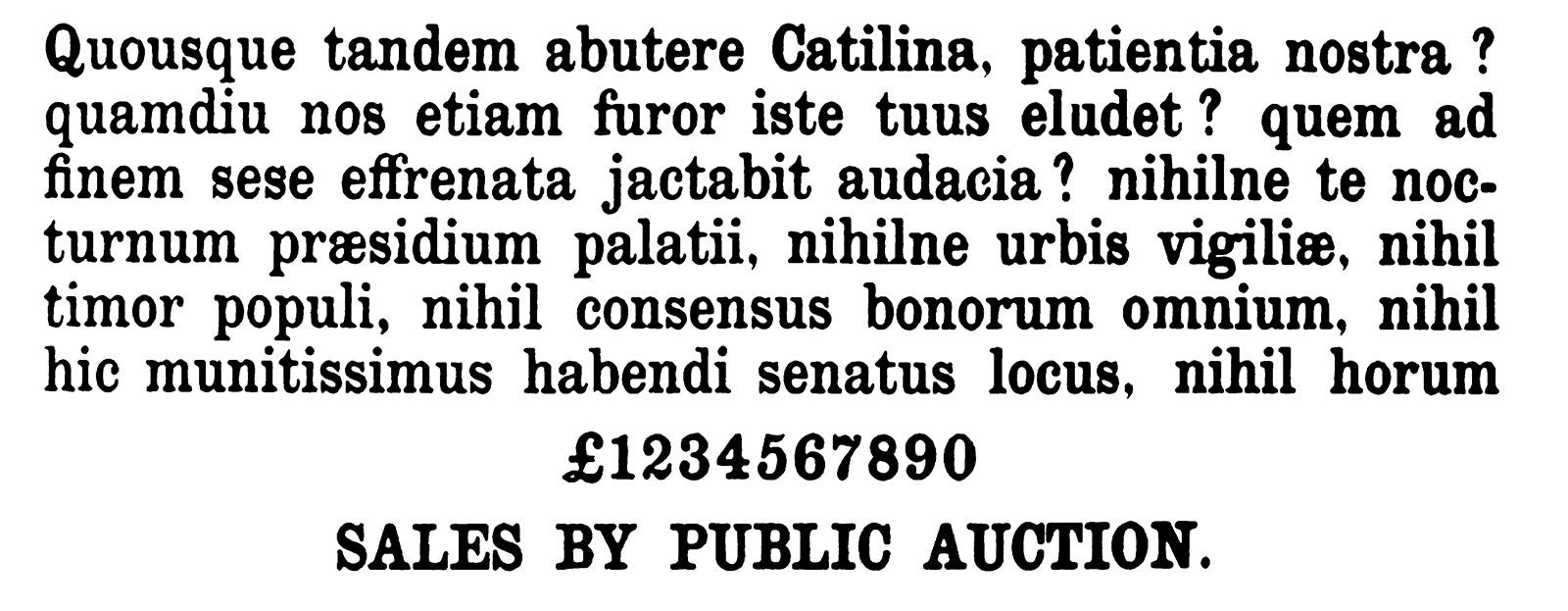
9–9. Stephenson Blake foundry, Clarendon specimen
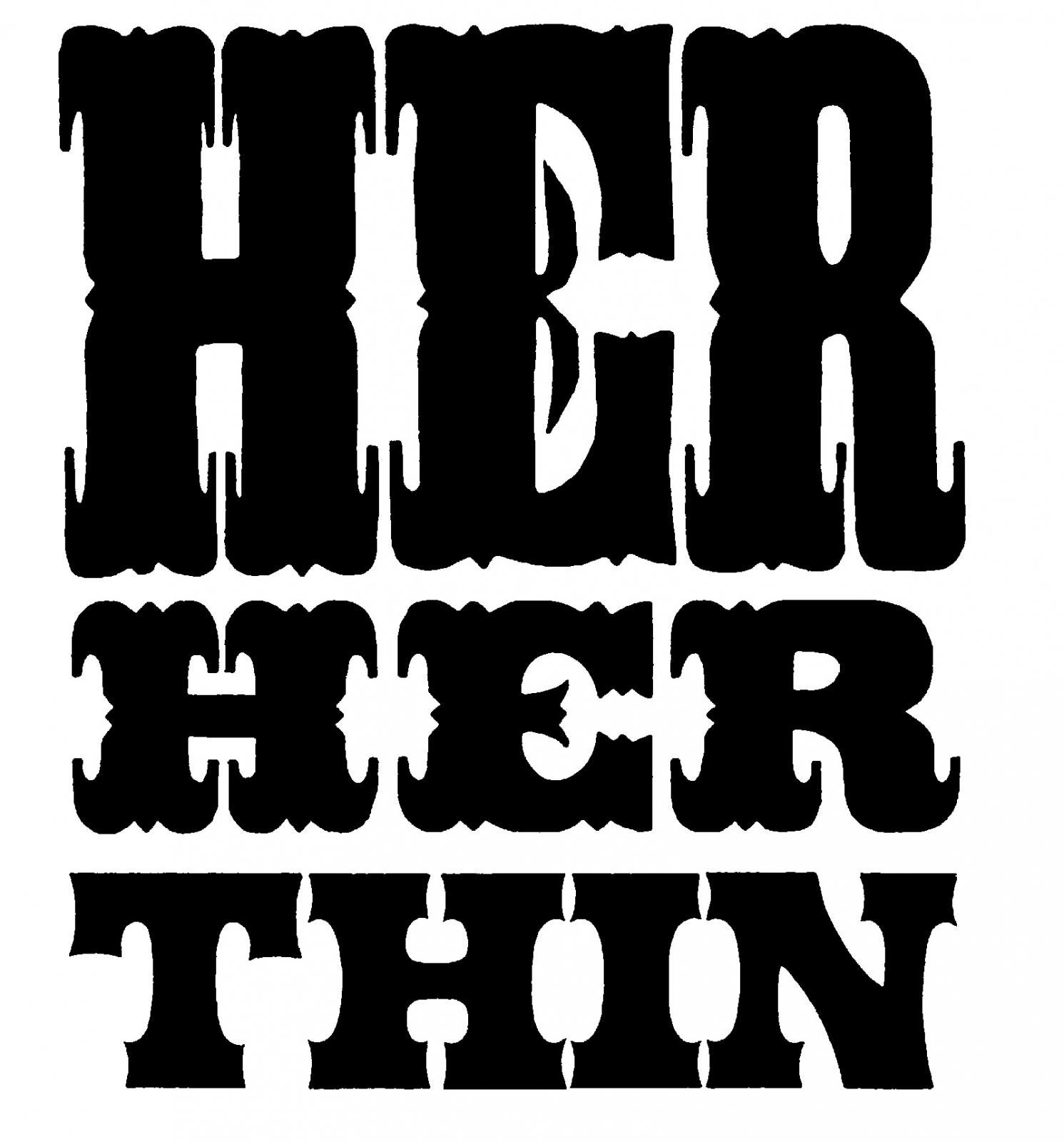
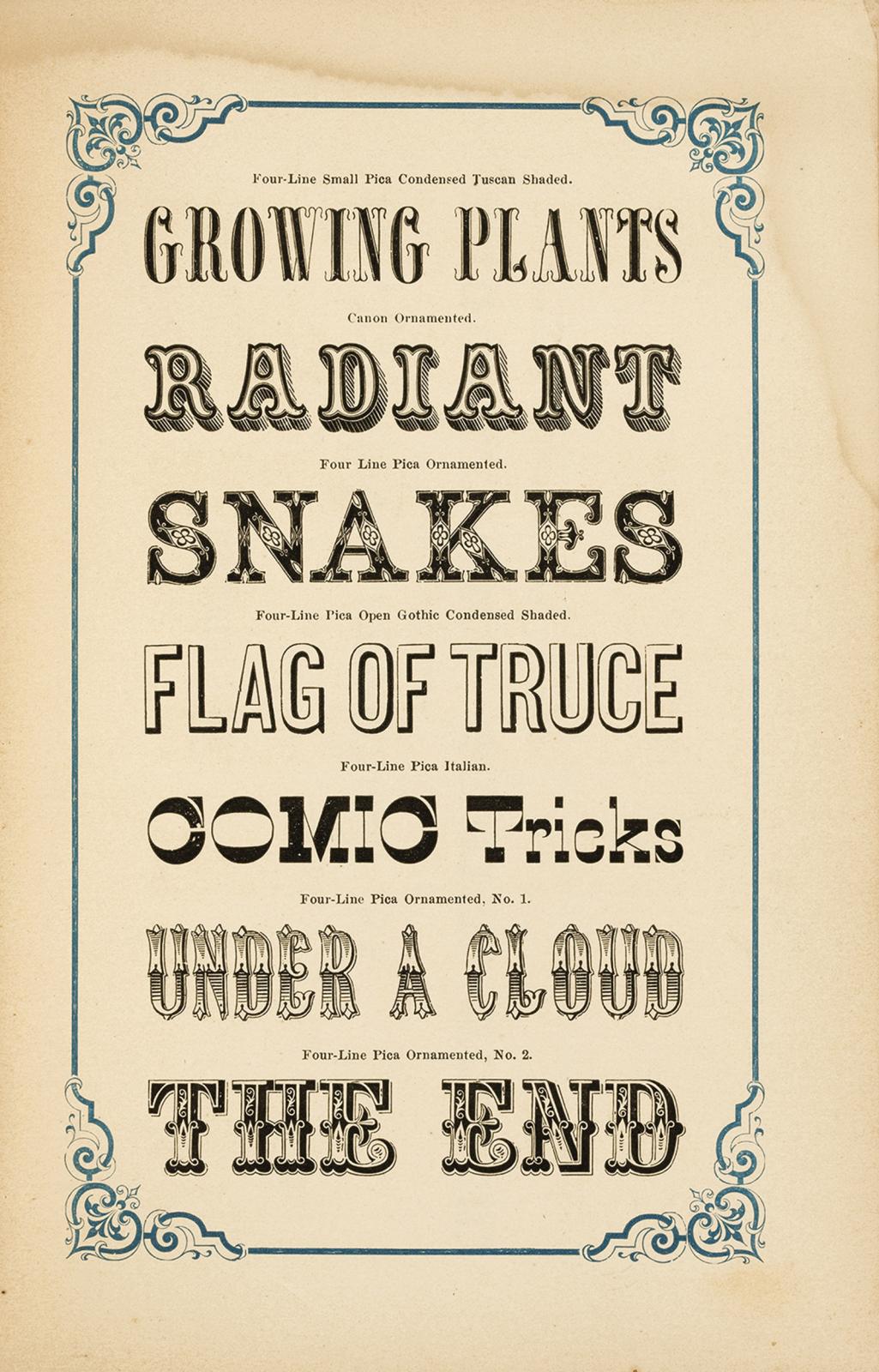
9–10. The top two specimens are typical Tuscan styles with ornamental serifs.
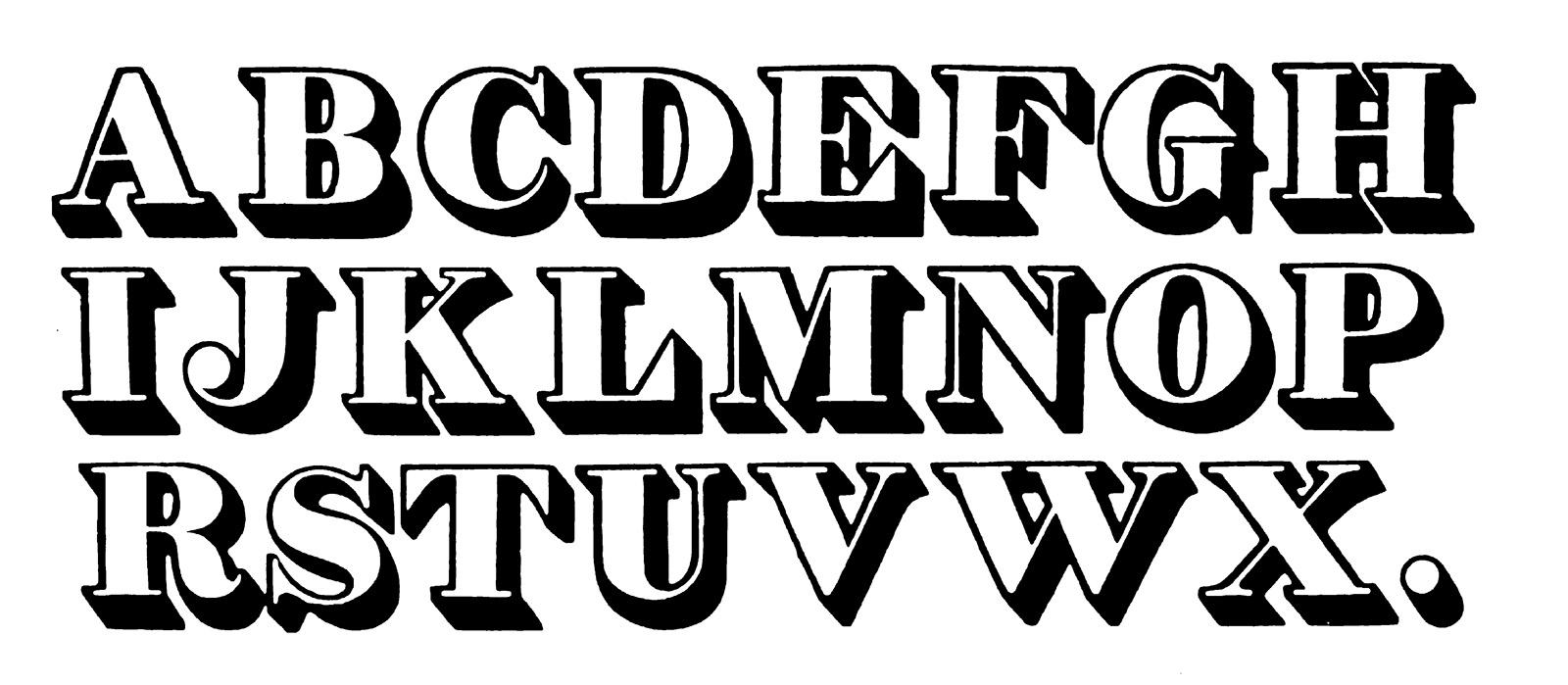
9–11. Vincent Figgins, five lines pica, In Shade
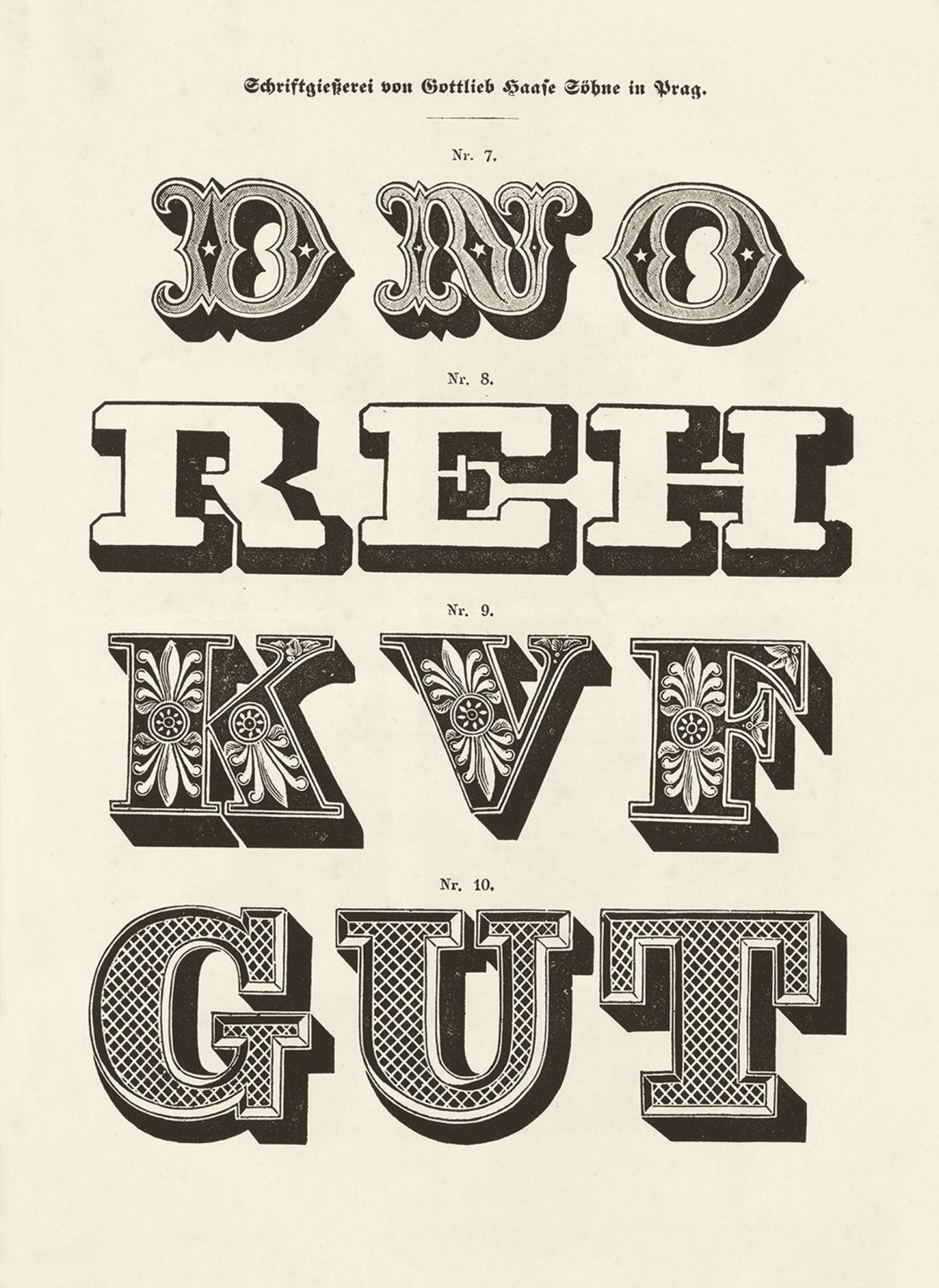
9–12. Johann Heinrich Meyer foundry in Braunschweig, Germany
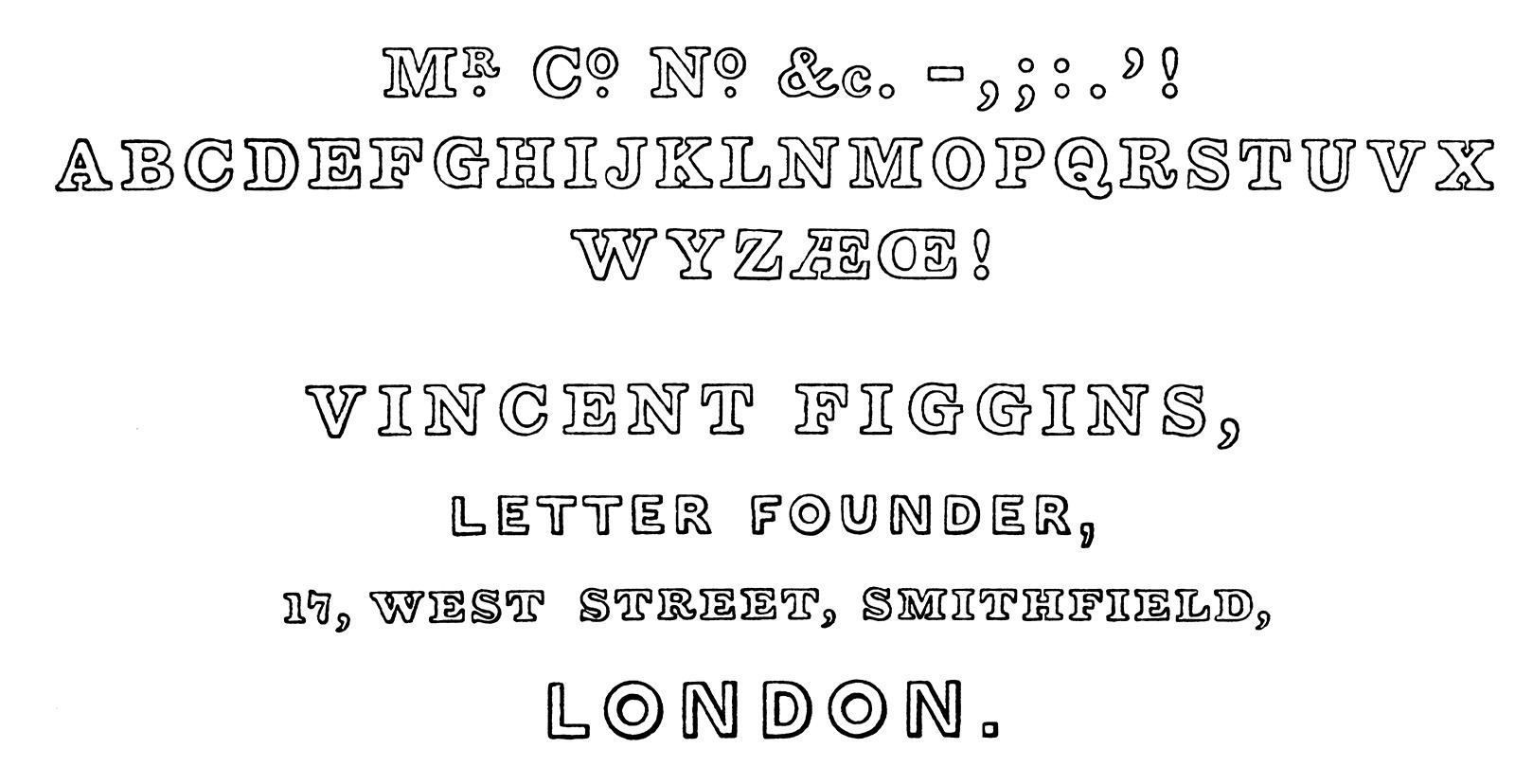
9–13. Vincent Figgins, two-line Pearl, Outline
9–14. William Thorowgood, six-line Reversed Egyptian Italic
9–15. Rand and Avery foundry
9–16. William Caslon IV, two-line English Egyptian
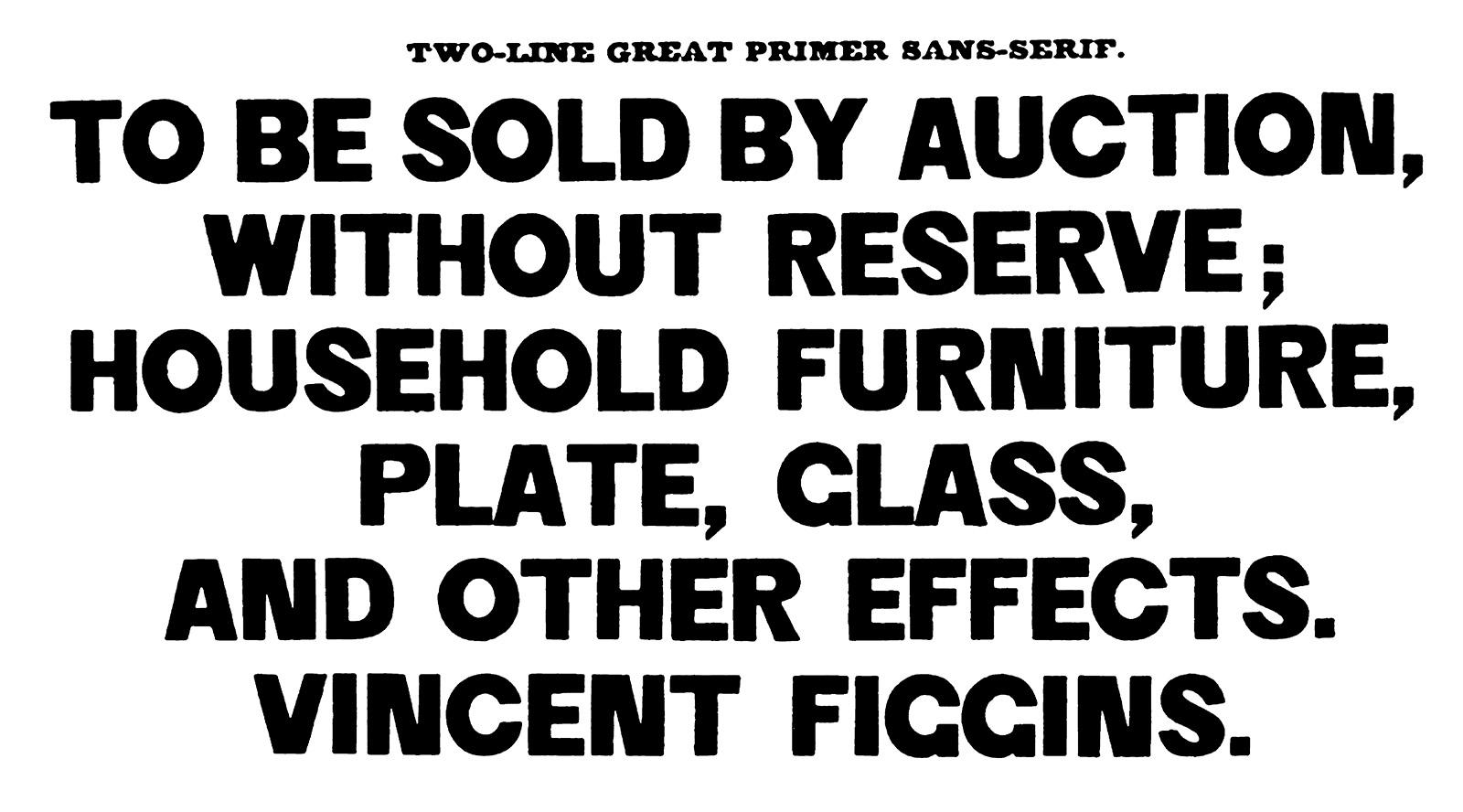
9–17. Vincent Figgins, two-line Great Primer Sans-serif
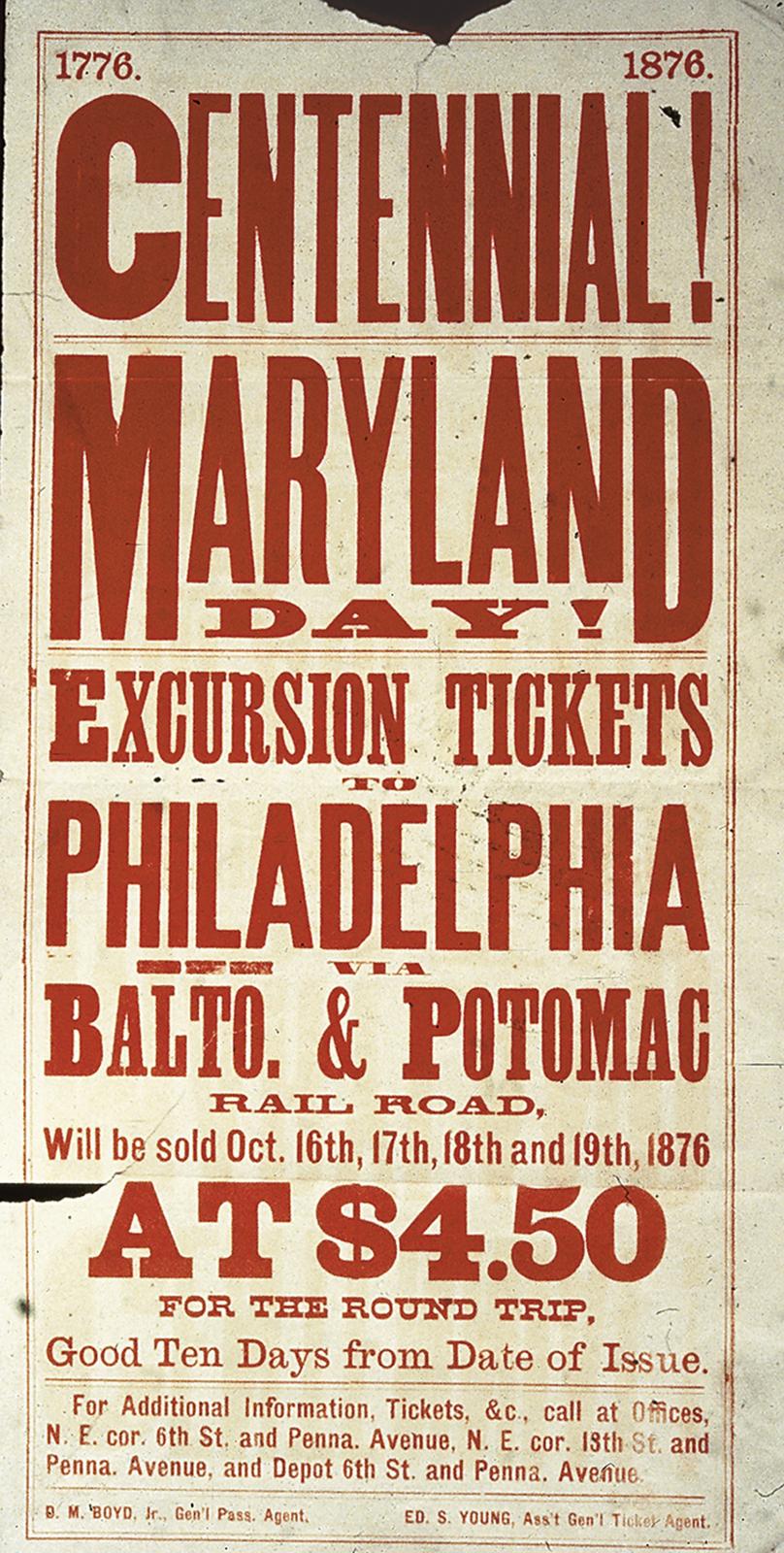
9–18. Handbill for an excursion train
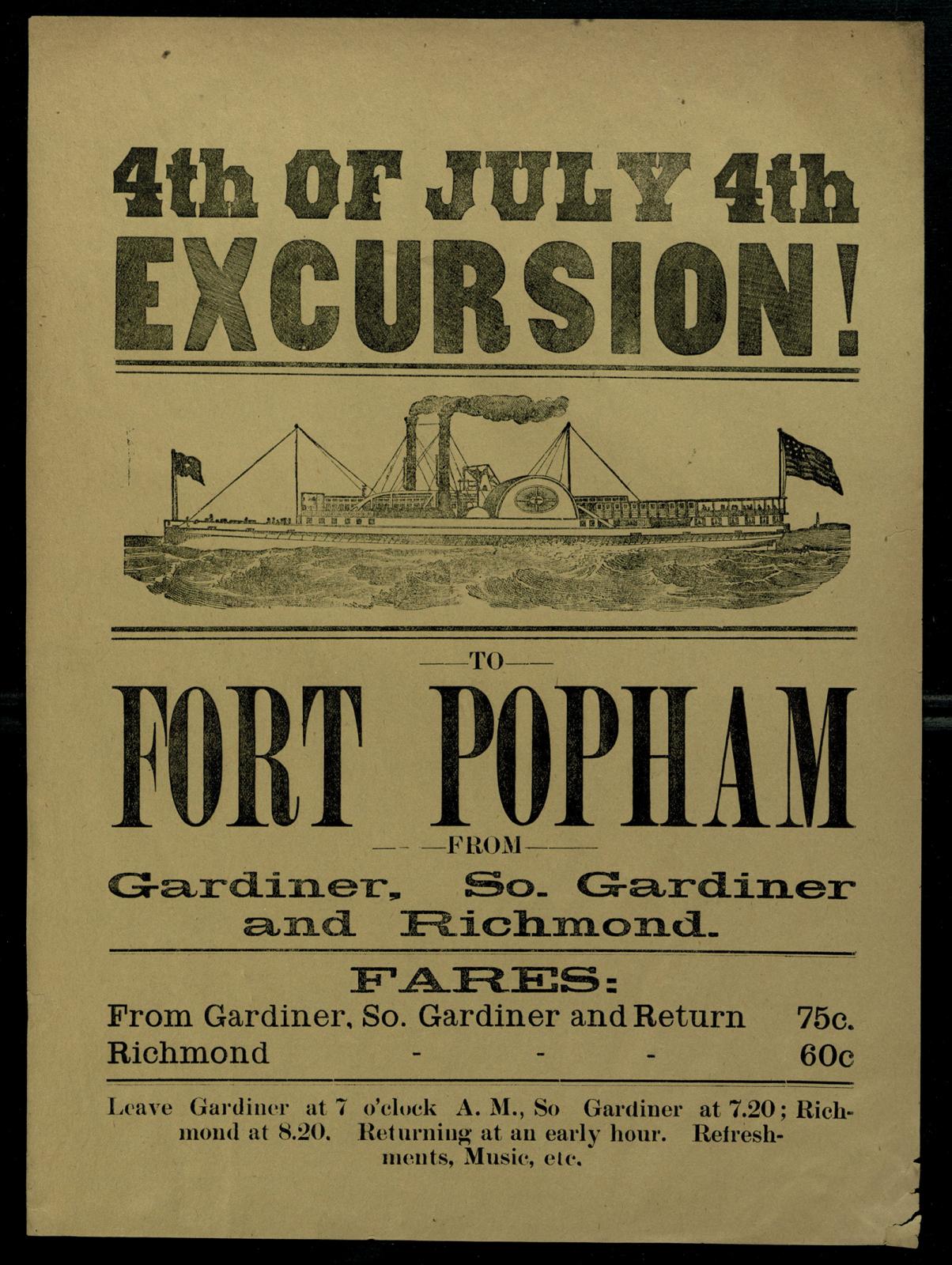
9–19. Ship excursion letterpress poster
9–20. Harrild and Sons, London, wood-type fonts
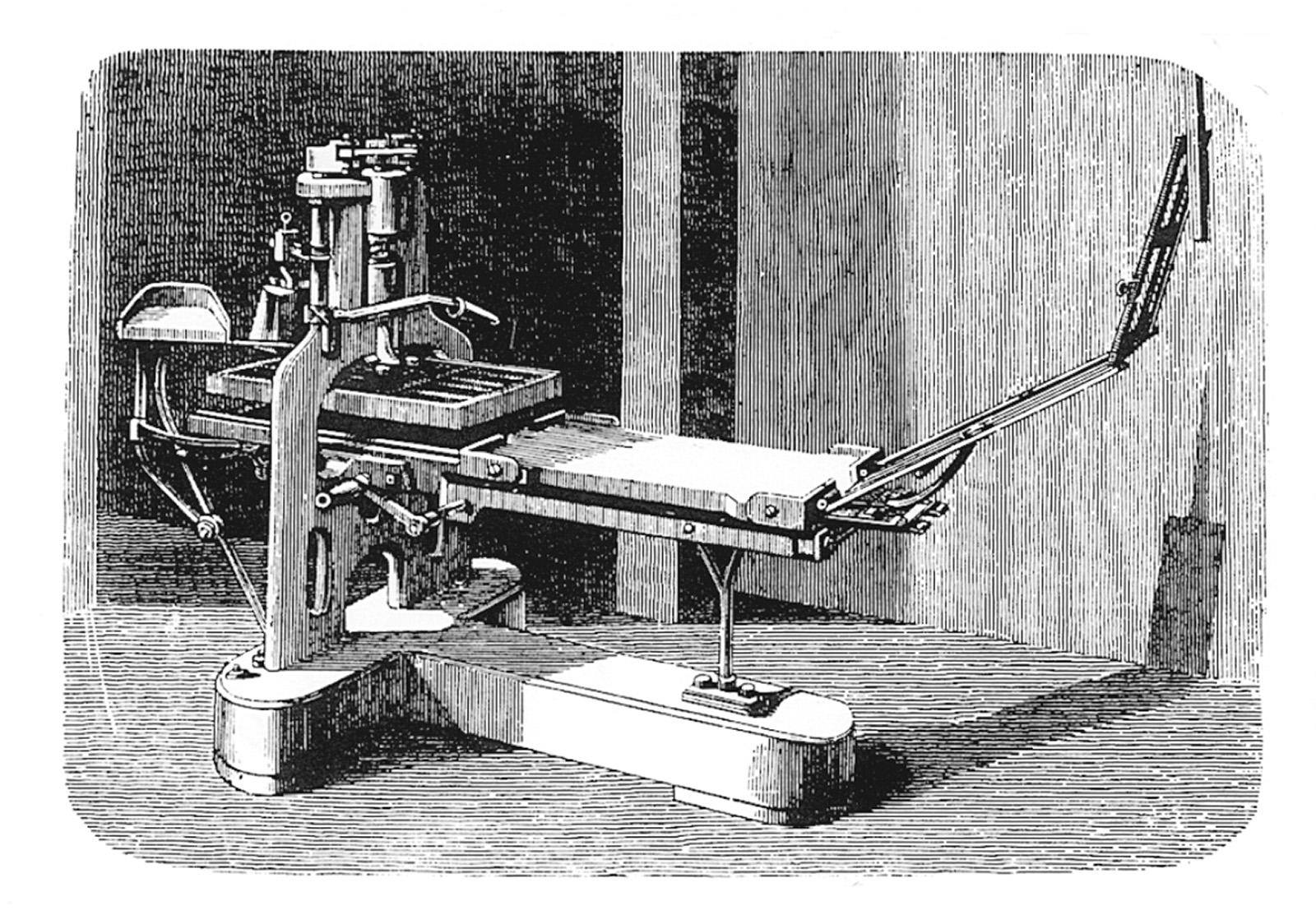
9–21. This engraved illustration depicts the printing press of all-iron parts invented in England by Charles Stanhope
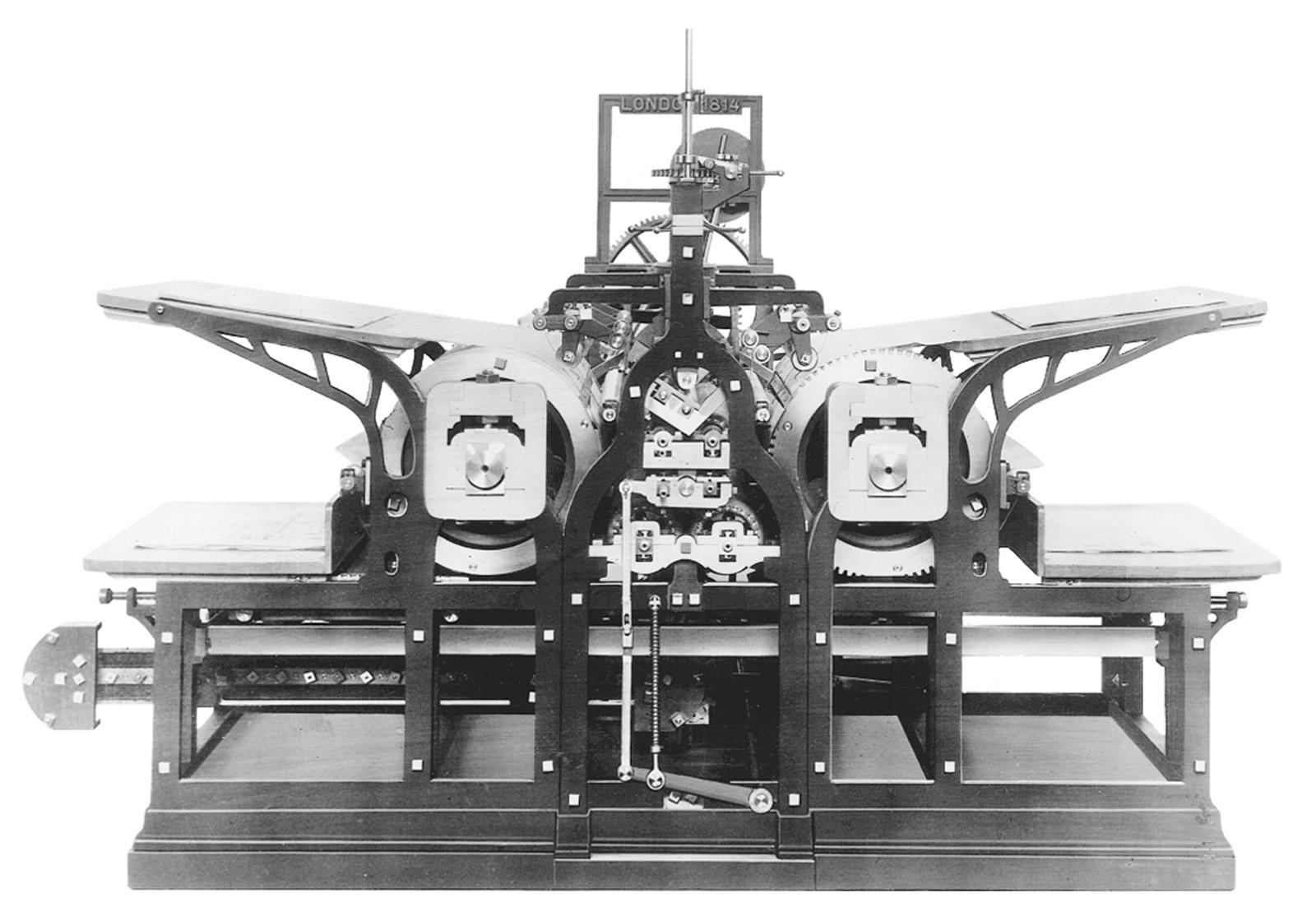
9–22. The first steam-powered cylinder press
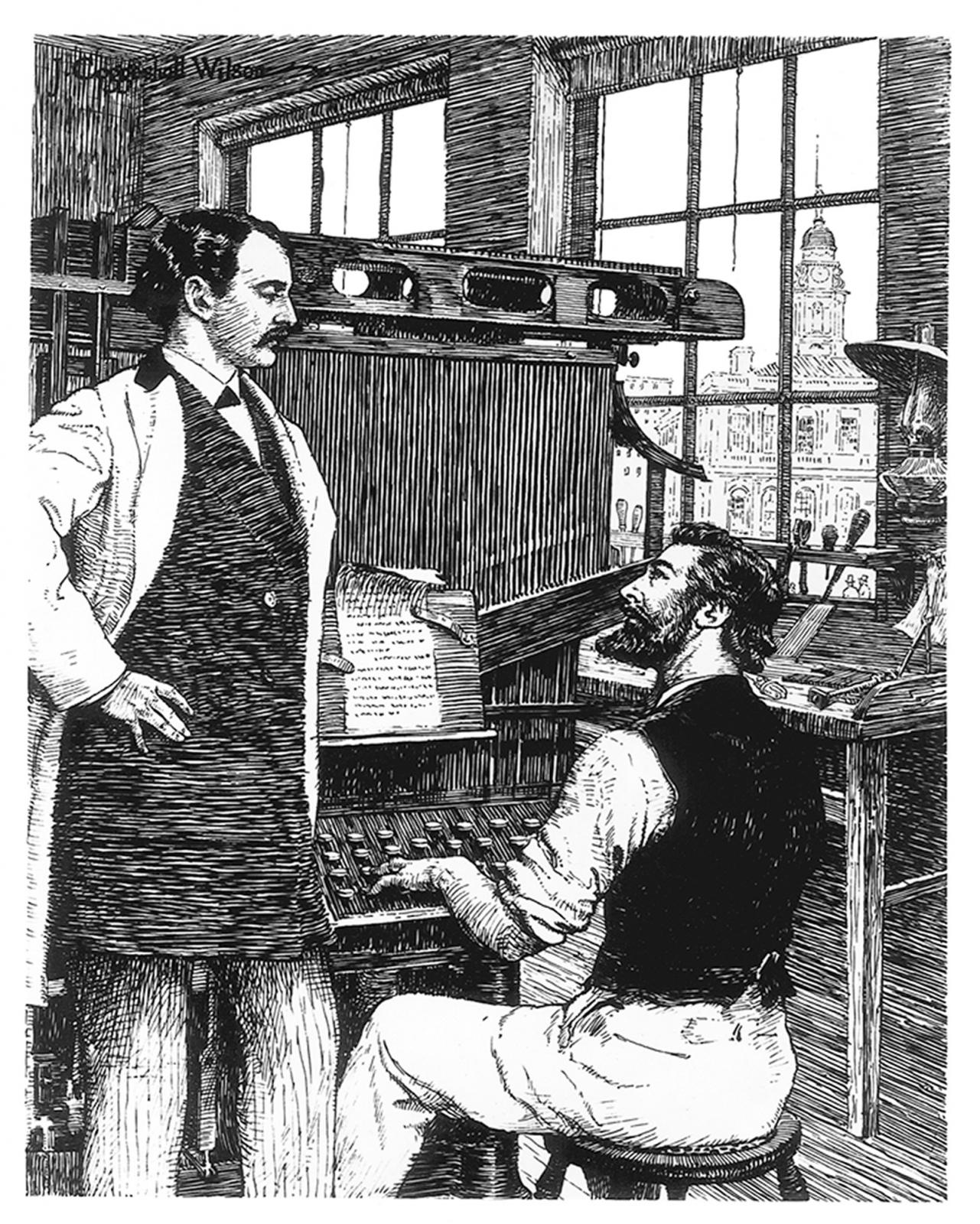
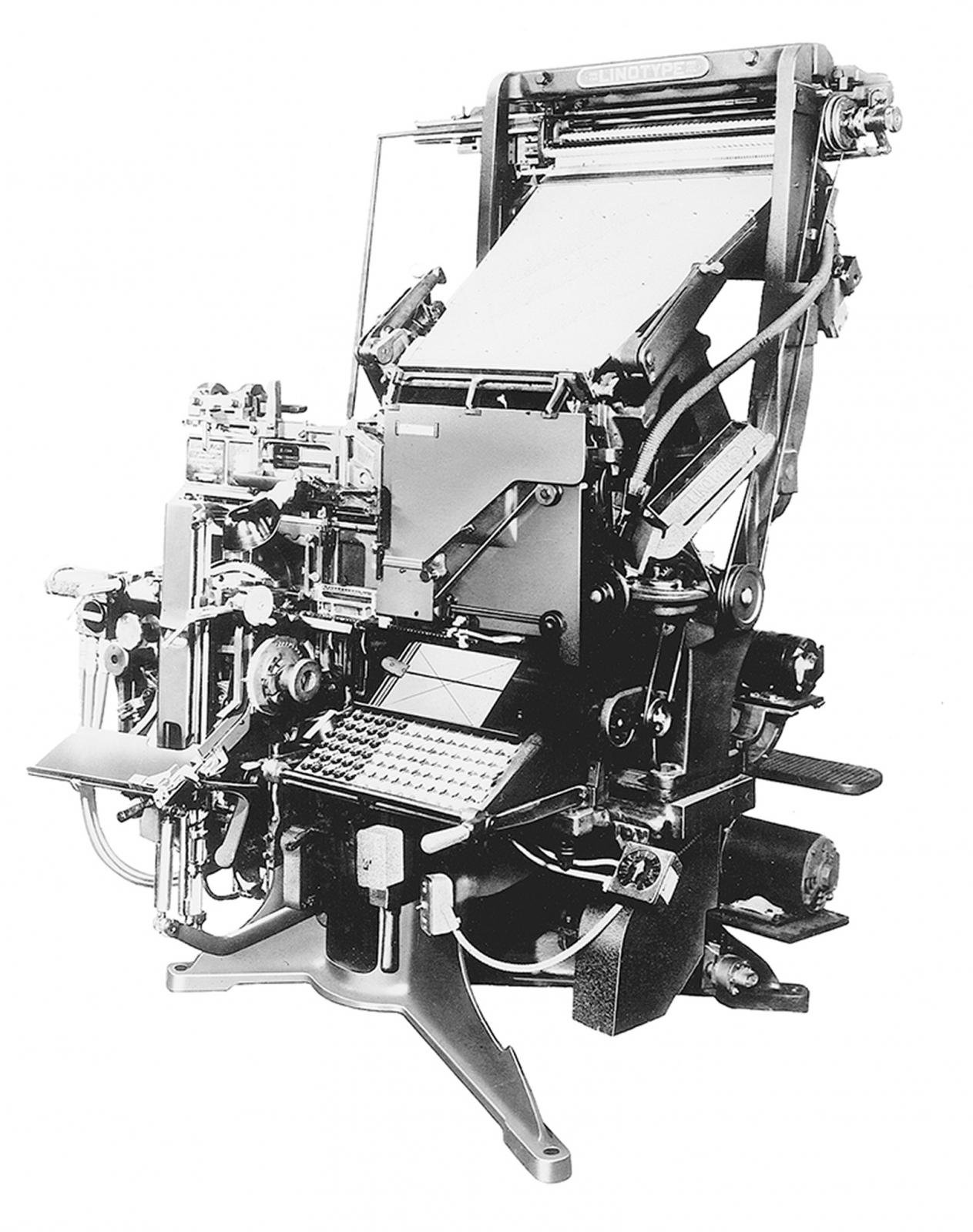
9–23. Ottmar Mergenthaler demonstrates the Blower Linotype
9–24. The Model 5 Linotype became the workhorse of typesetting, with keyboards and matrixes available in over a thousand languages.
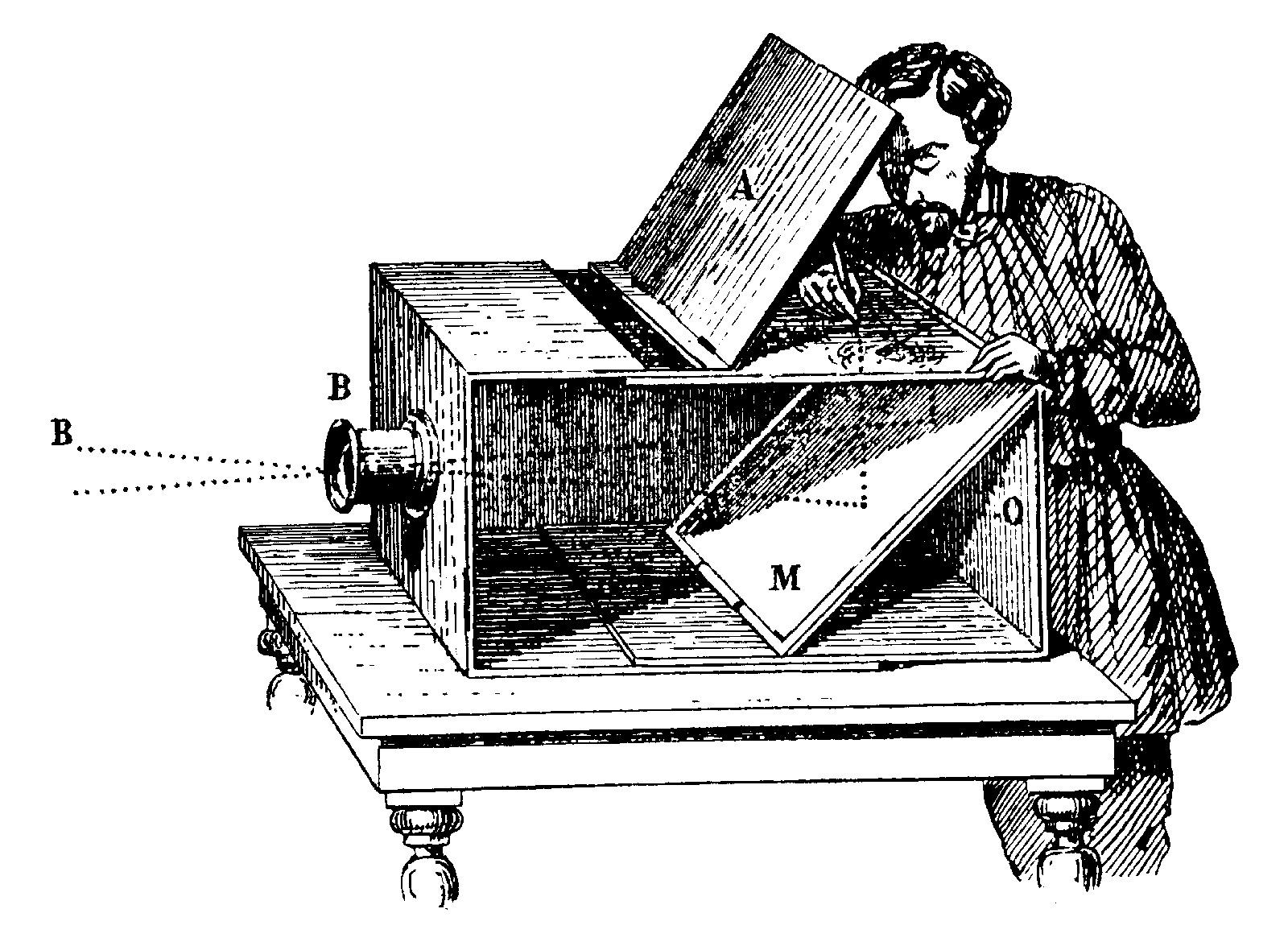
9–25. As this nineteenth-century camera obscura demonstrates, the optical principles of photography were well understood and used by artists to aid in drawing.
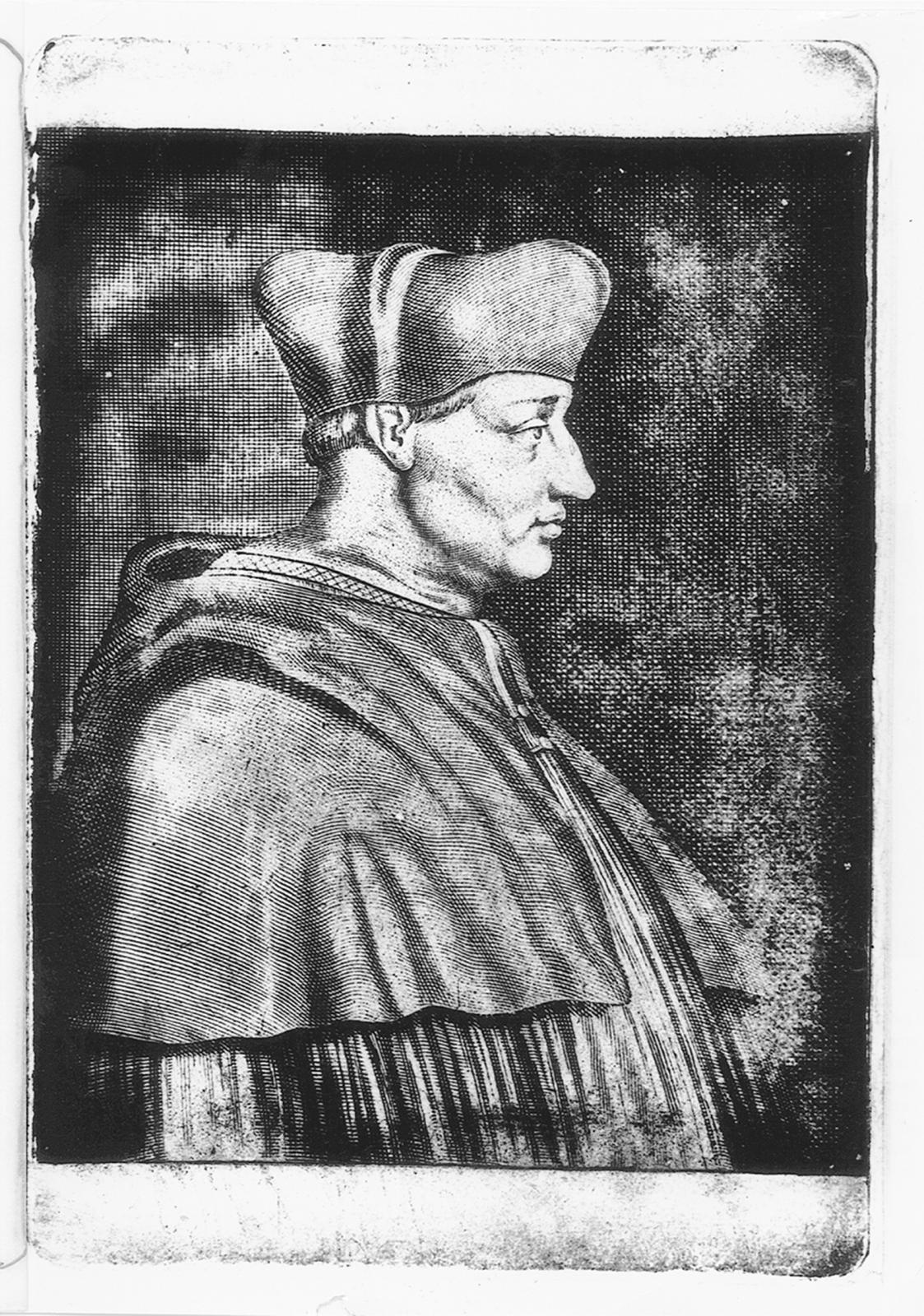
9–26. Joseph Niépce, photo etching of an engraving of Cardinal Georges D’Amboise
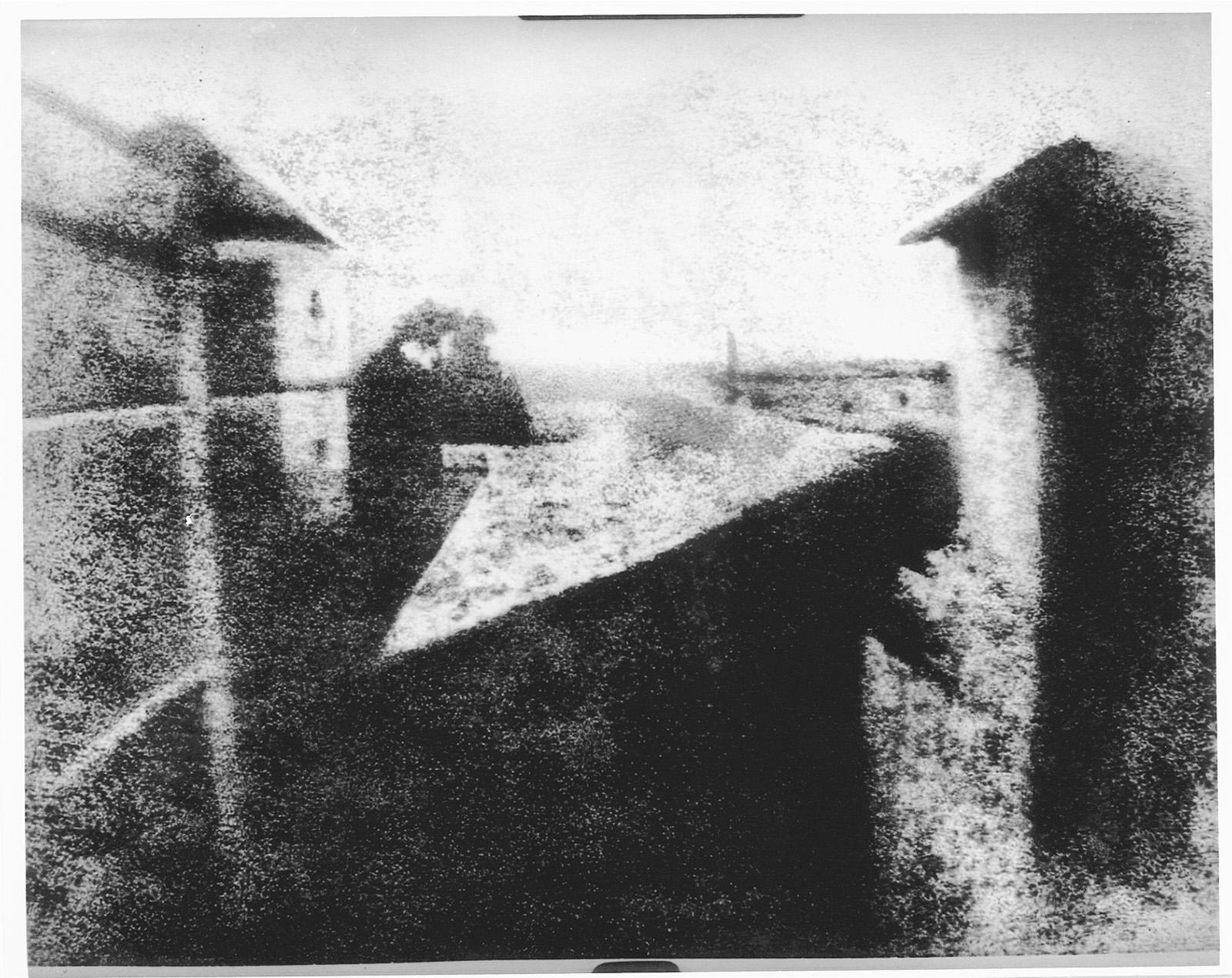
9–27. Joseph Niépce, the first photograph from nature
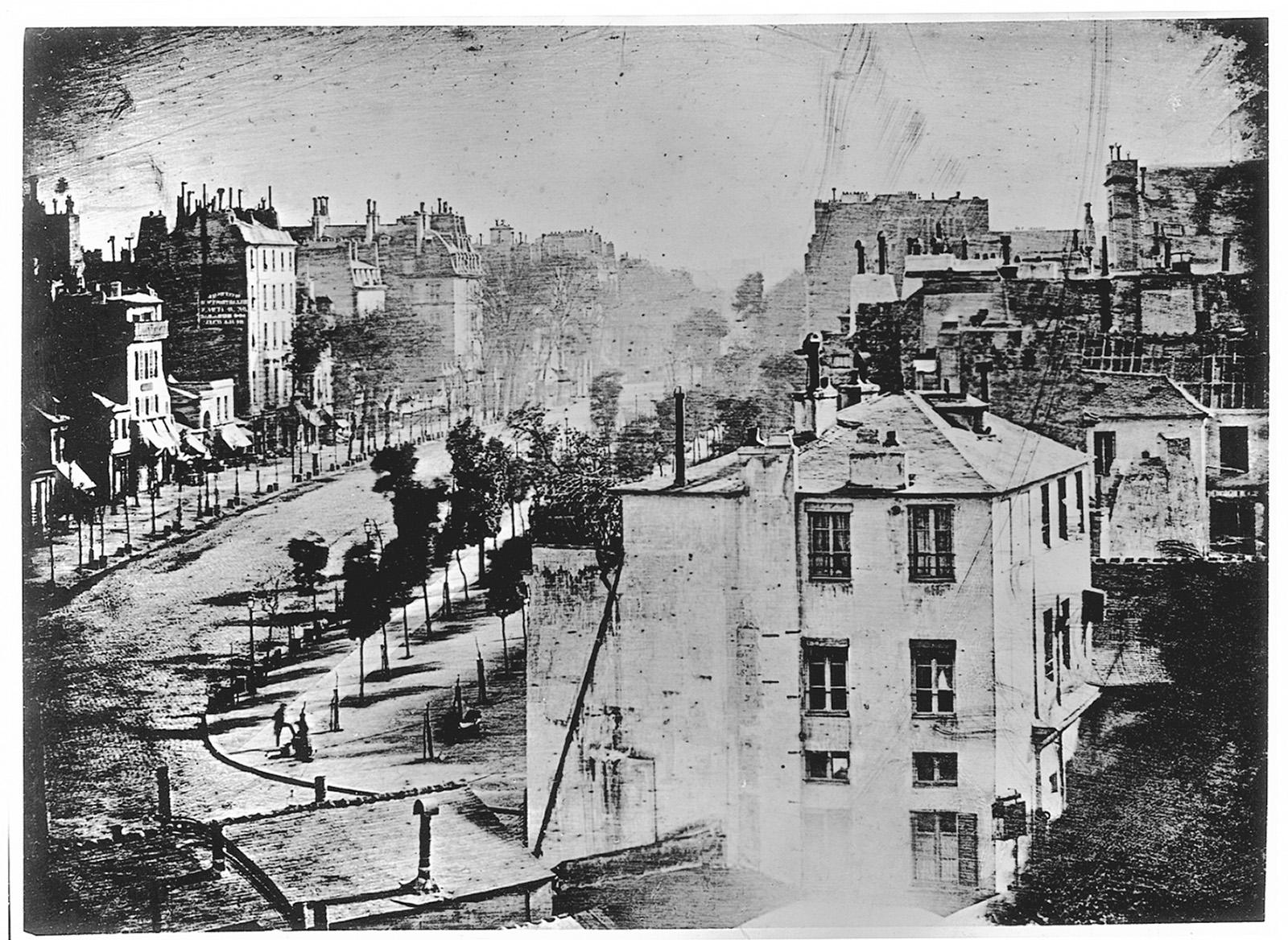
9–28. Louis Jacques Daguerre, Paris boulevard
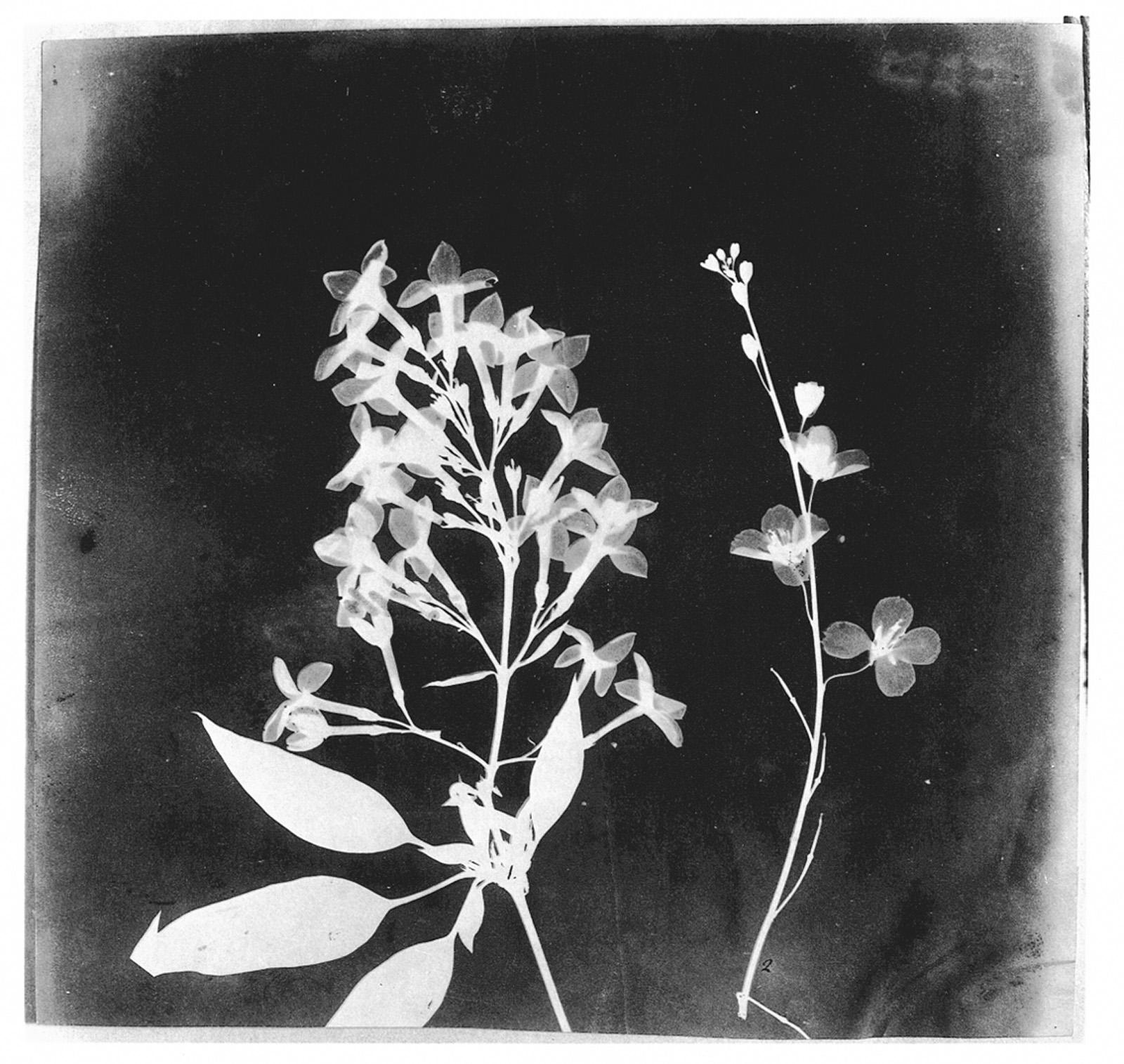
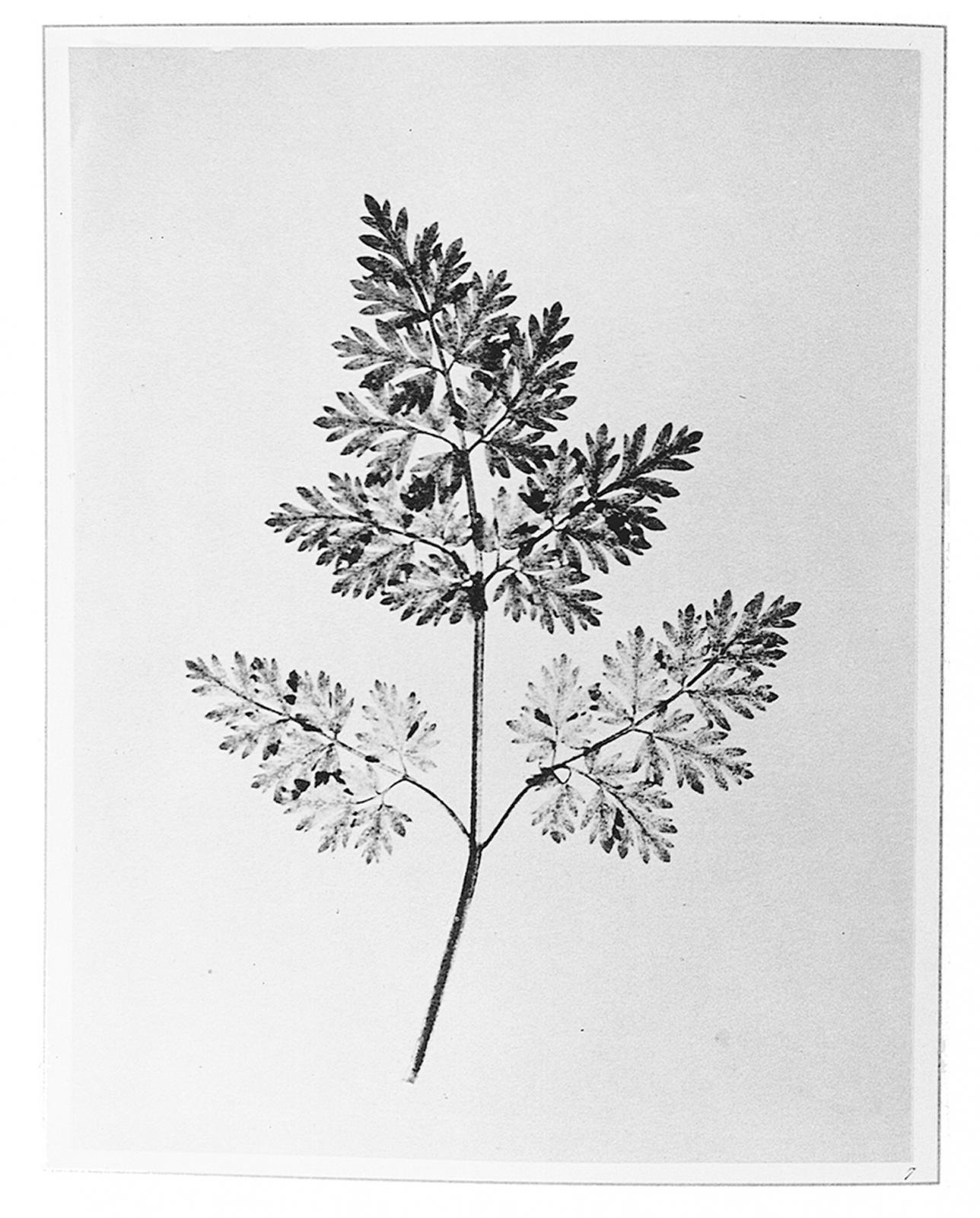
9–29. William Henry Fox Talbot, camera-less shadow picture of flowers
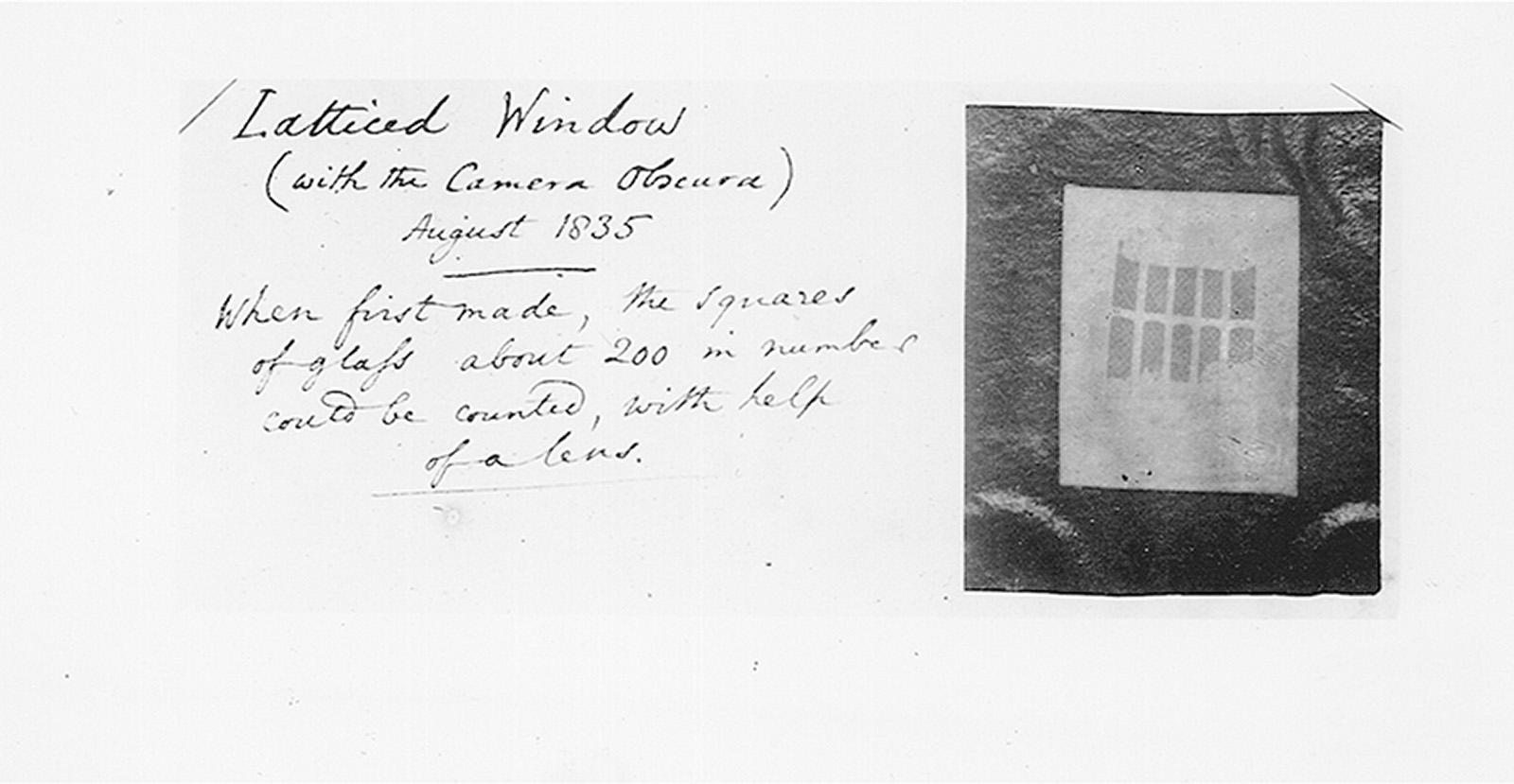
9–30. William Henry Fox Talbot, the first photographic negative
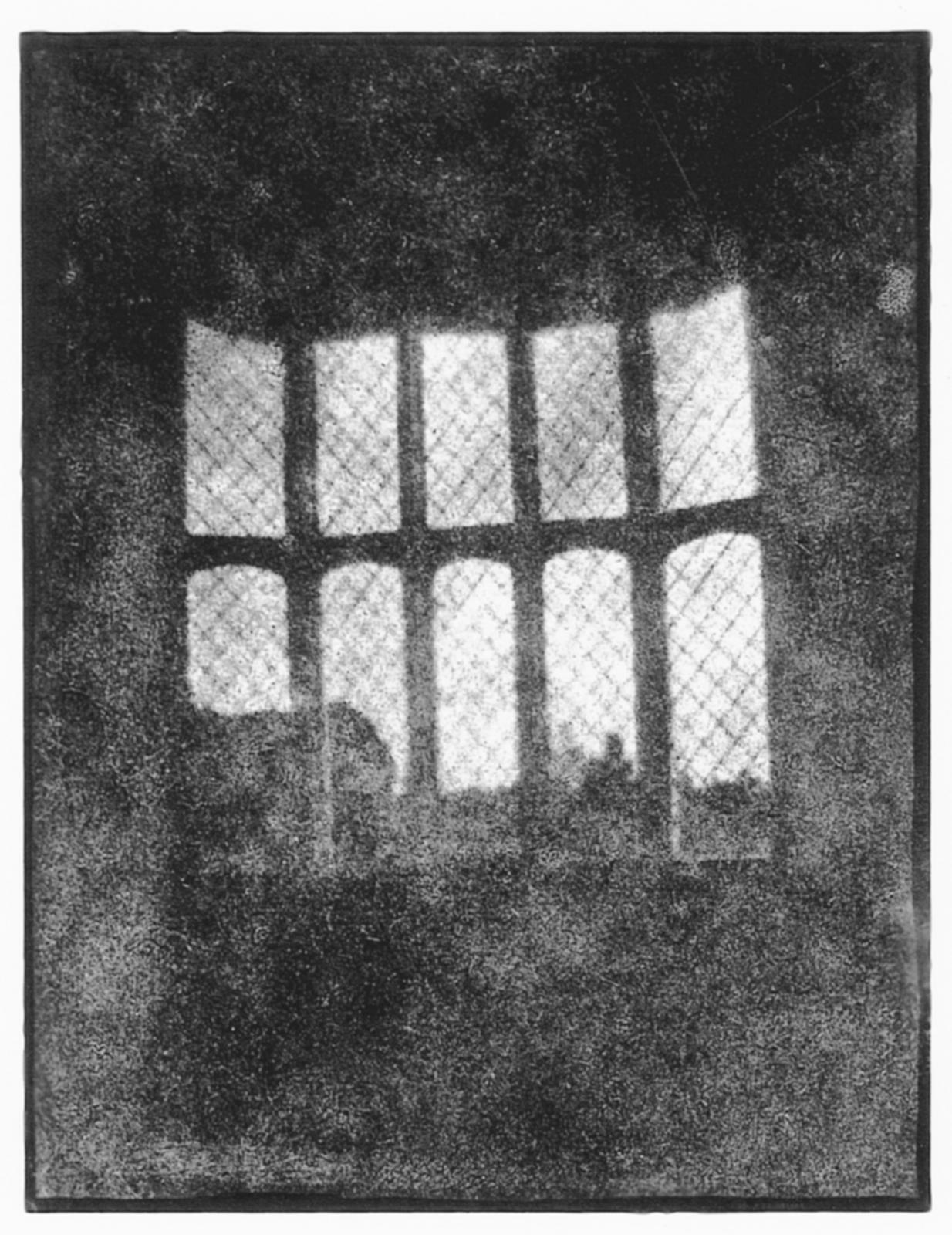
9–31. William Henry Fox Talbot, print from the first photographic negative.
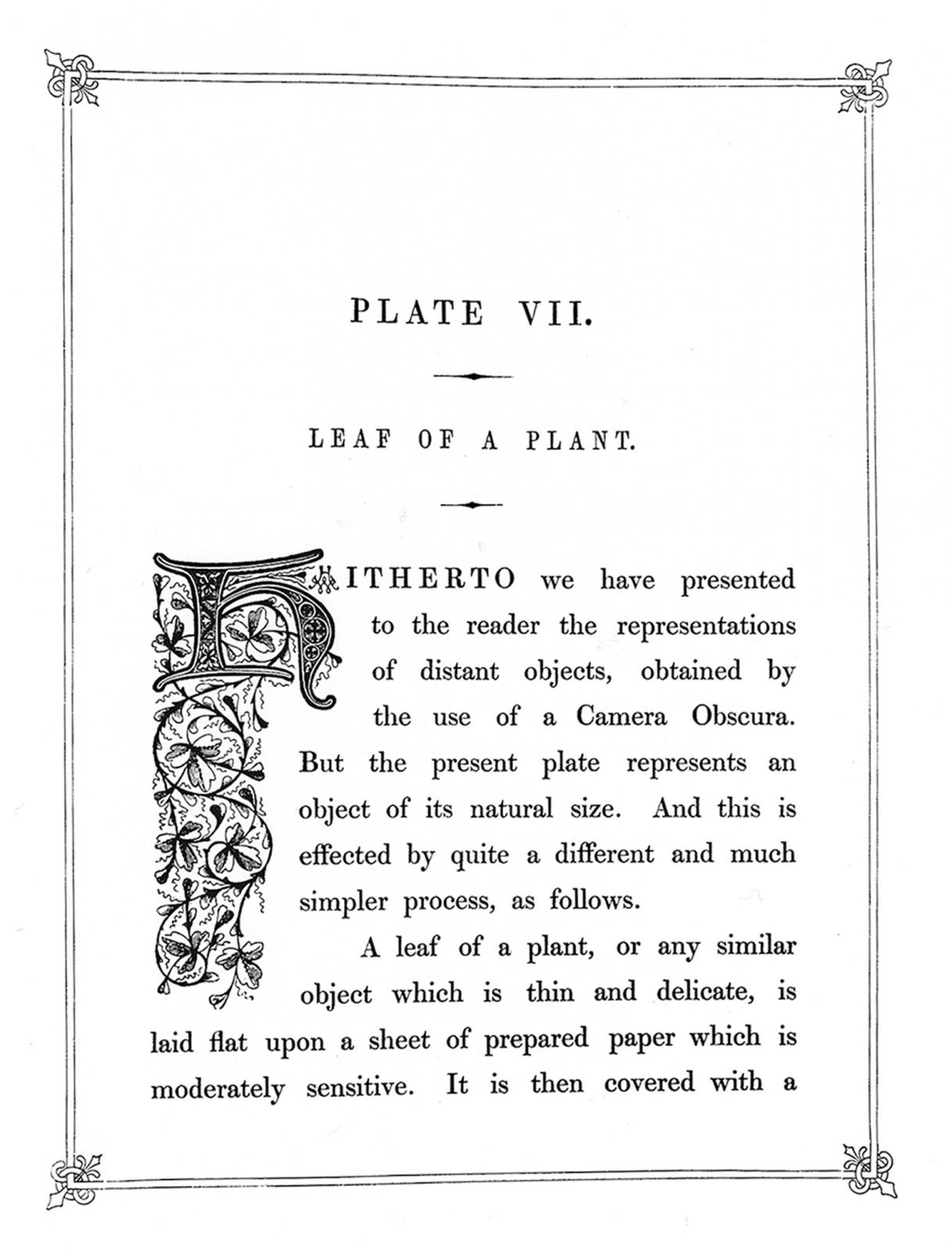
9–32. Pages from Talbot’s The Pencil of Nature
9–32. Pages from Talbot’s The Pencil of Nature
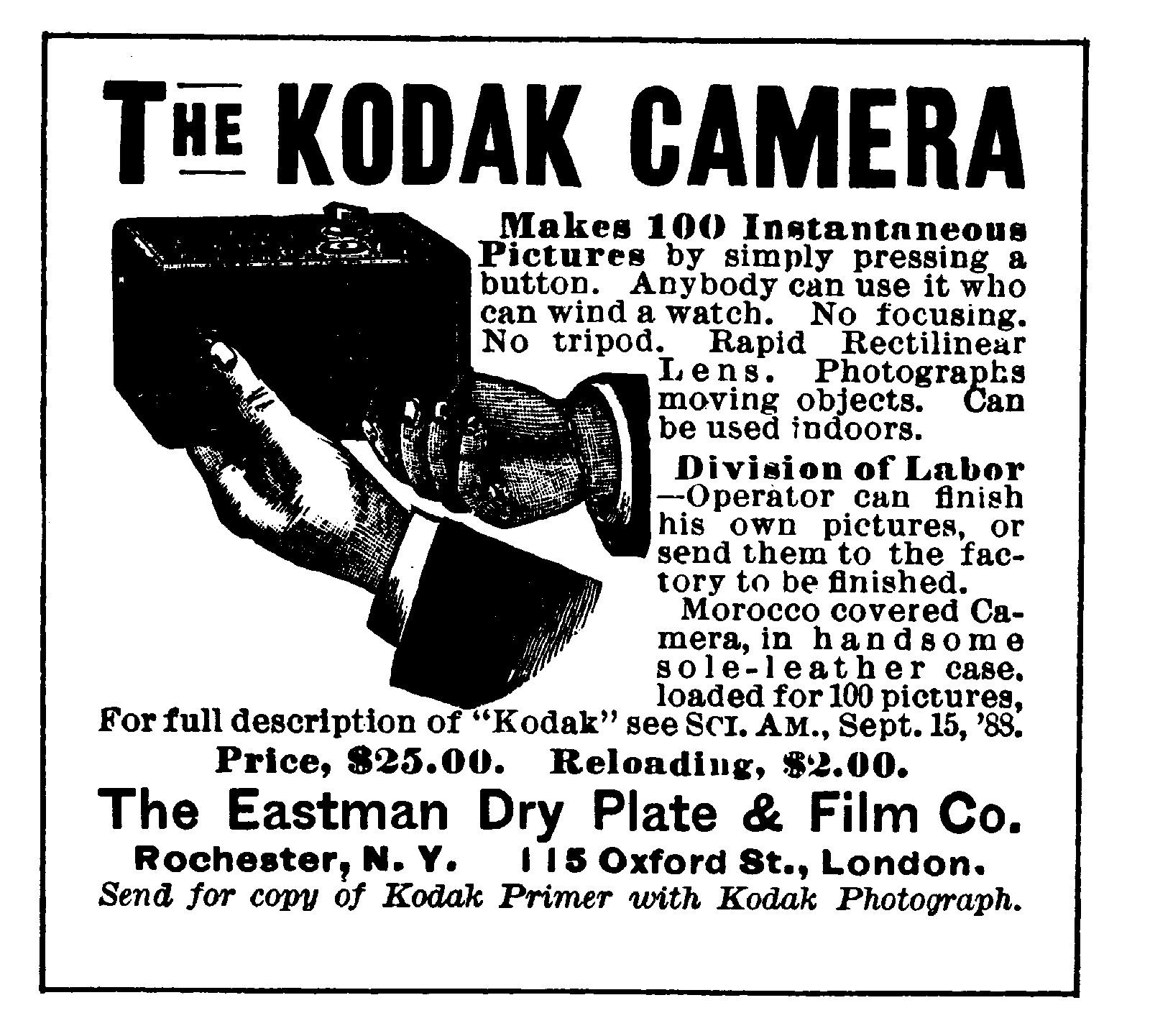
9–33. Advertisement for the Kodak camera
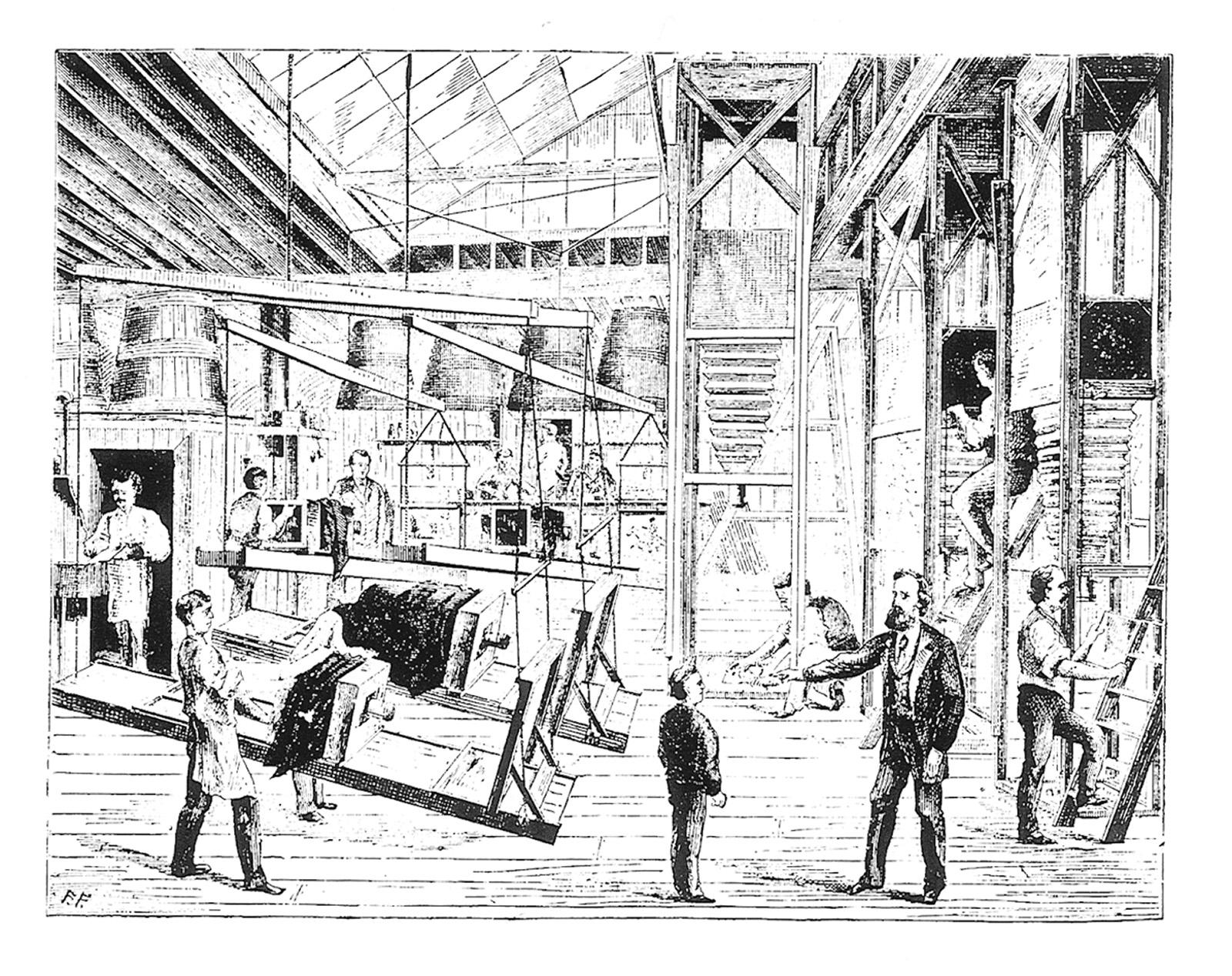
9–34. Illustration of Moss’s photographic department, from Scientific American
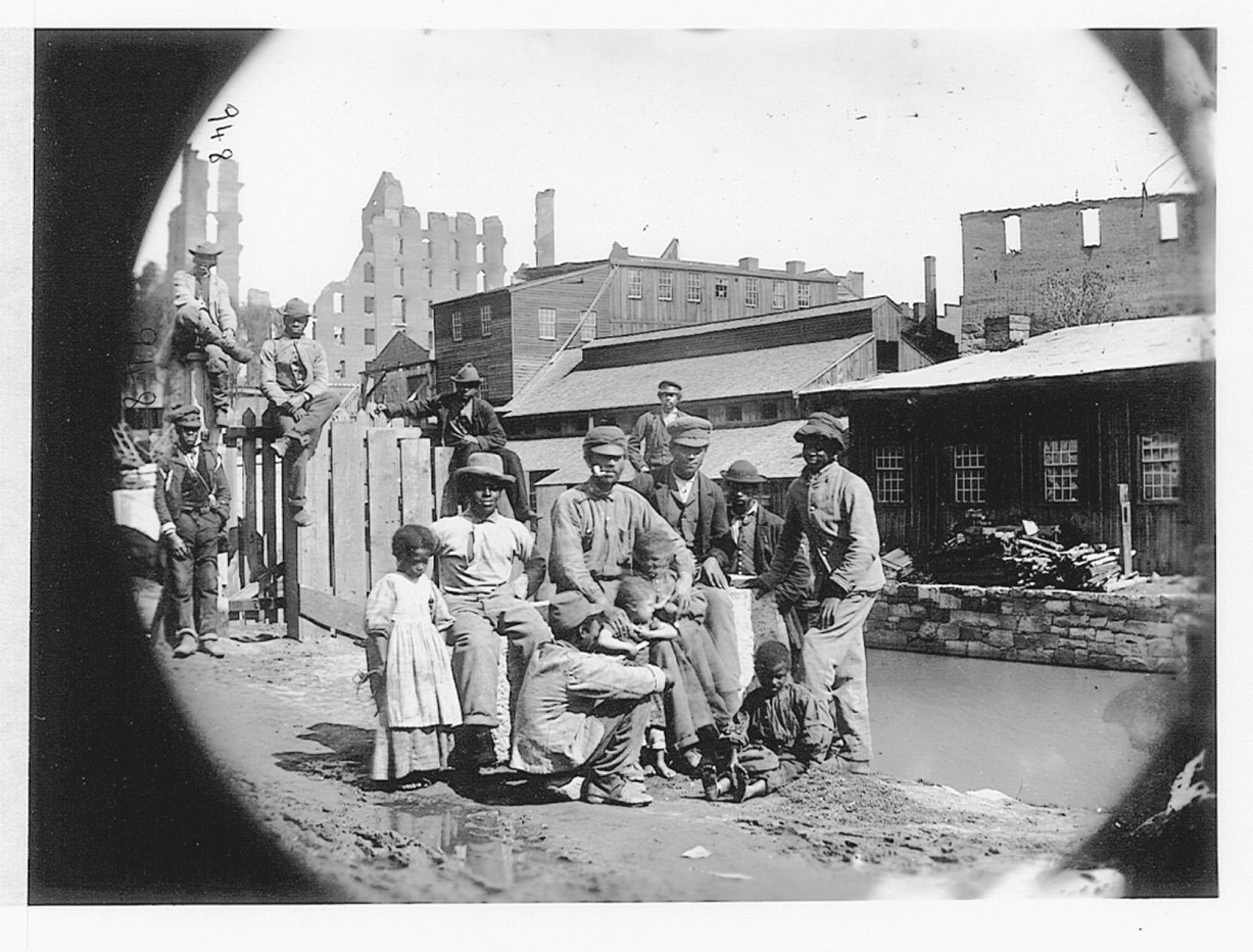
9–35. Attributed to Mathew Brady, photograph, “Freedmen on the Canal Bank at Richmond,”
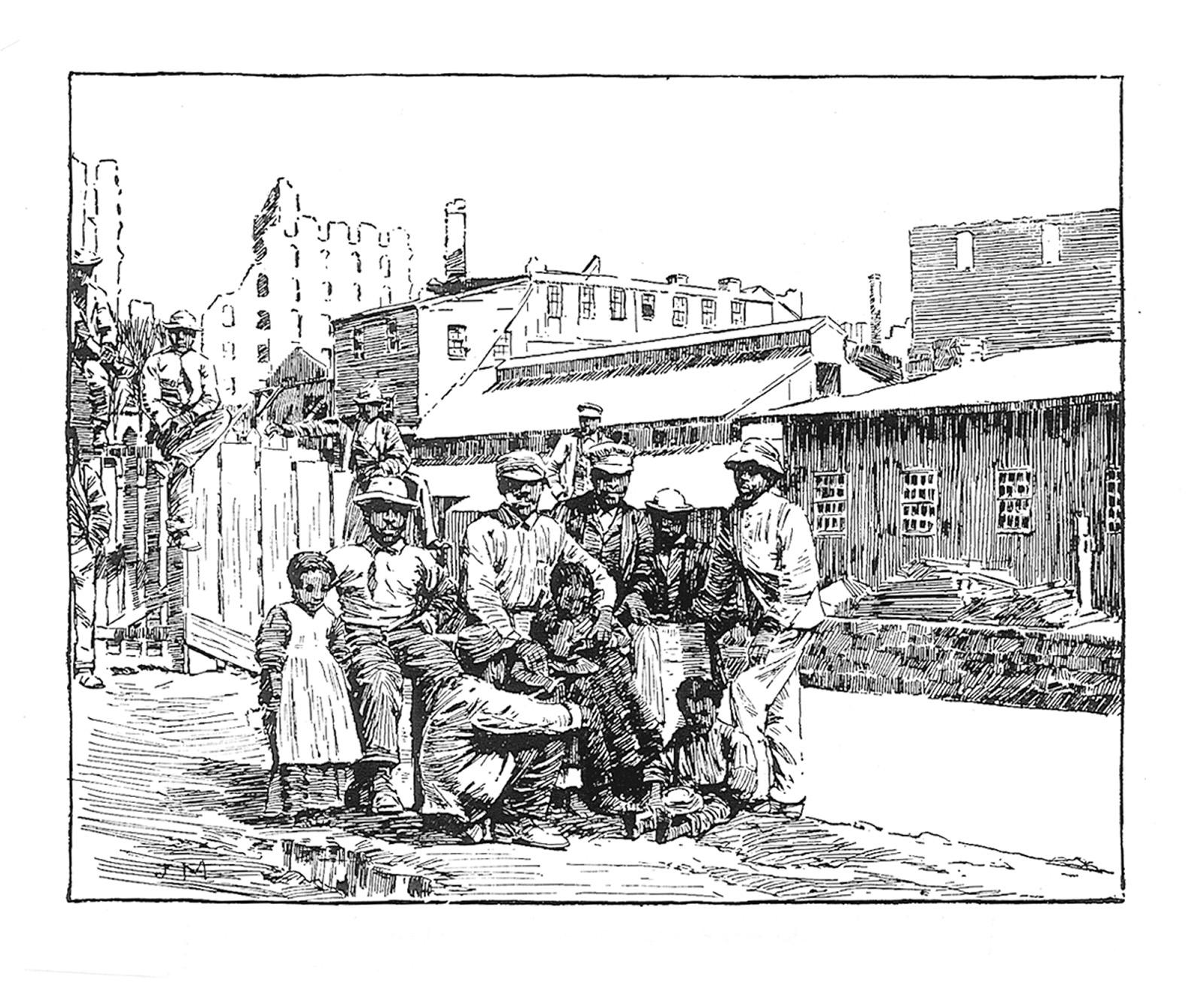
9–36. John Macdonald, wood engraving, “Freedmen on the Canal Bank at Richmond.”
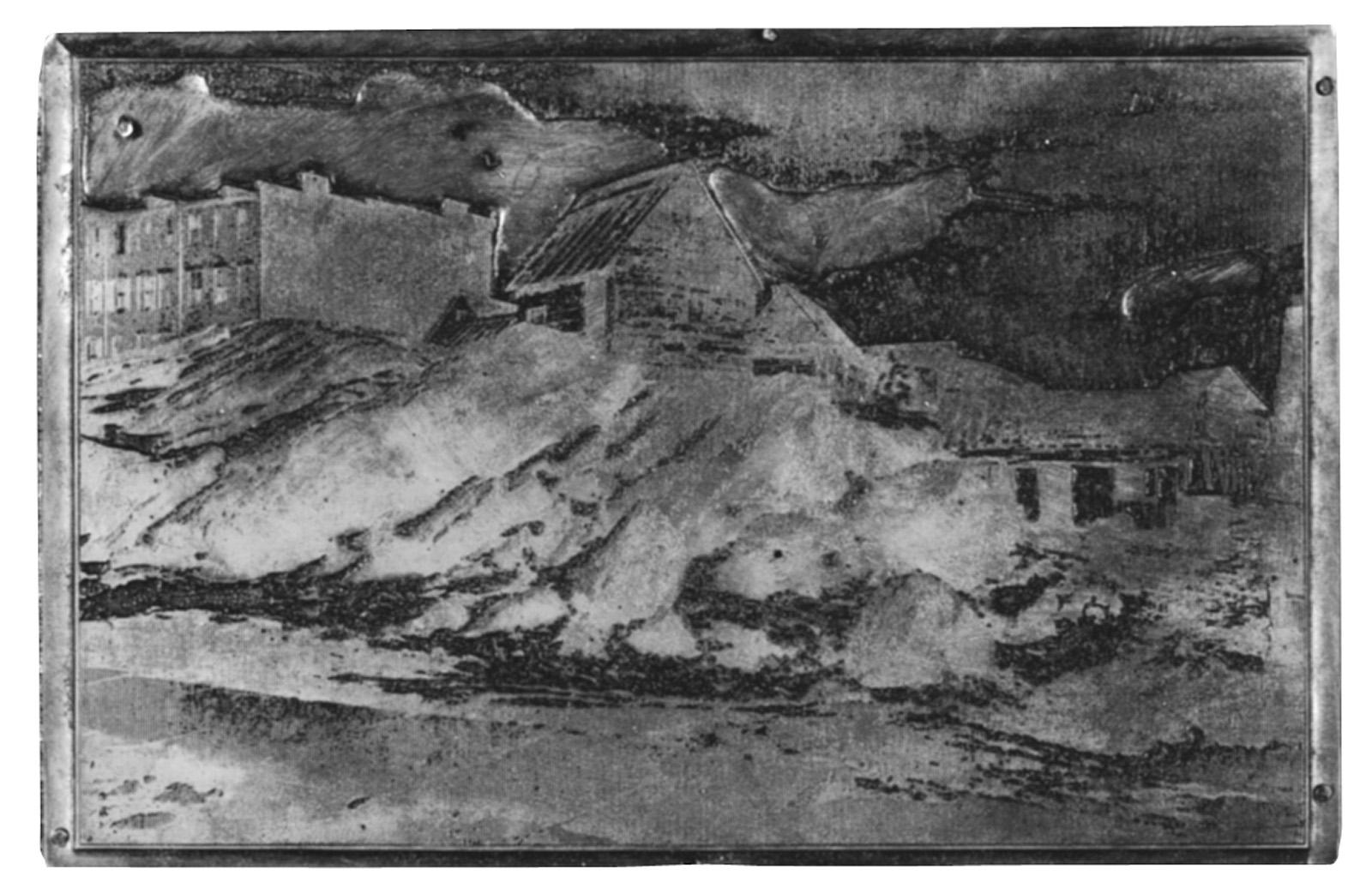
9–37. Stephen H. Horgan, experimental photoengraving
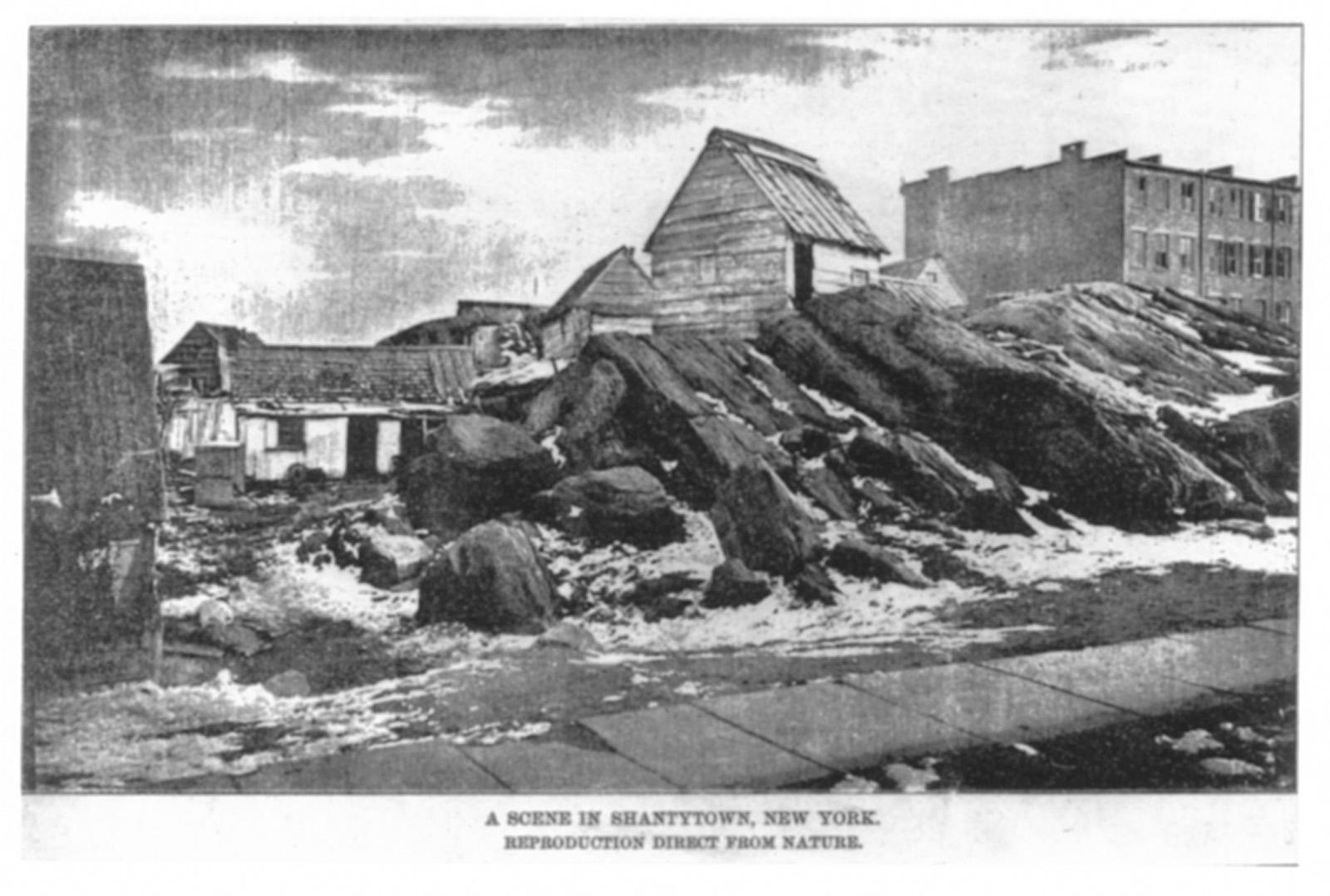
9–38. Stephen H. Horgan, experimental photoengraving
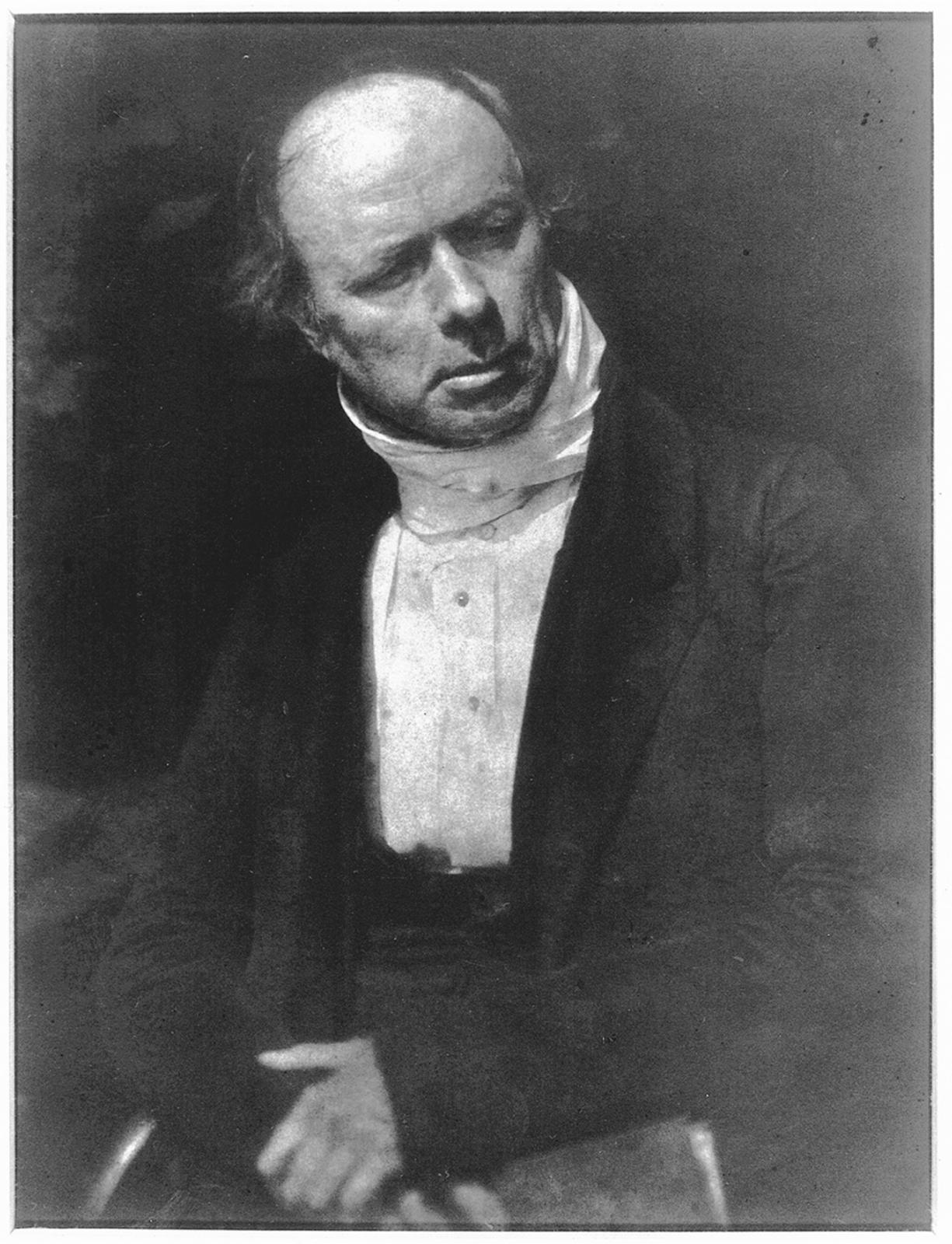
9–39. David O. Hill and Robert Adamson, Reverend Thomas H. Jones
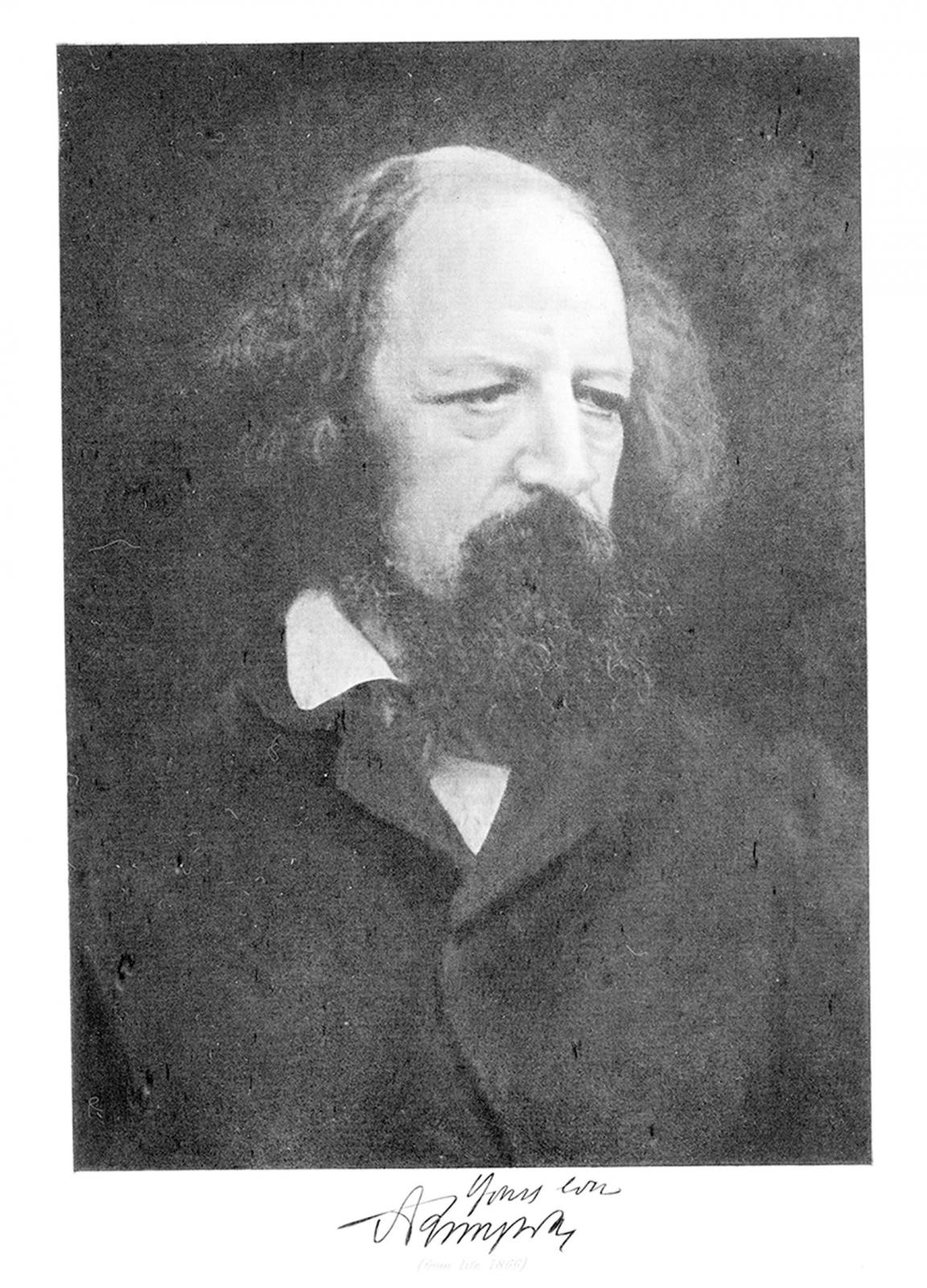
9–40. Julia Margaret Cameron, “Alfred Lord Tennyson”
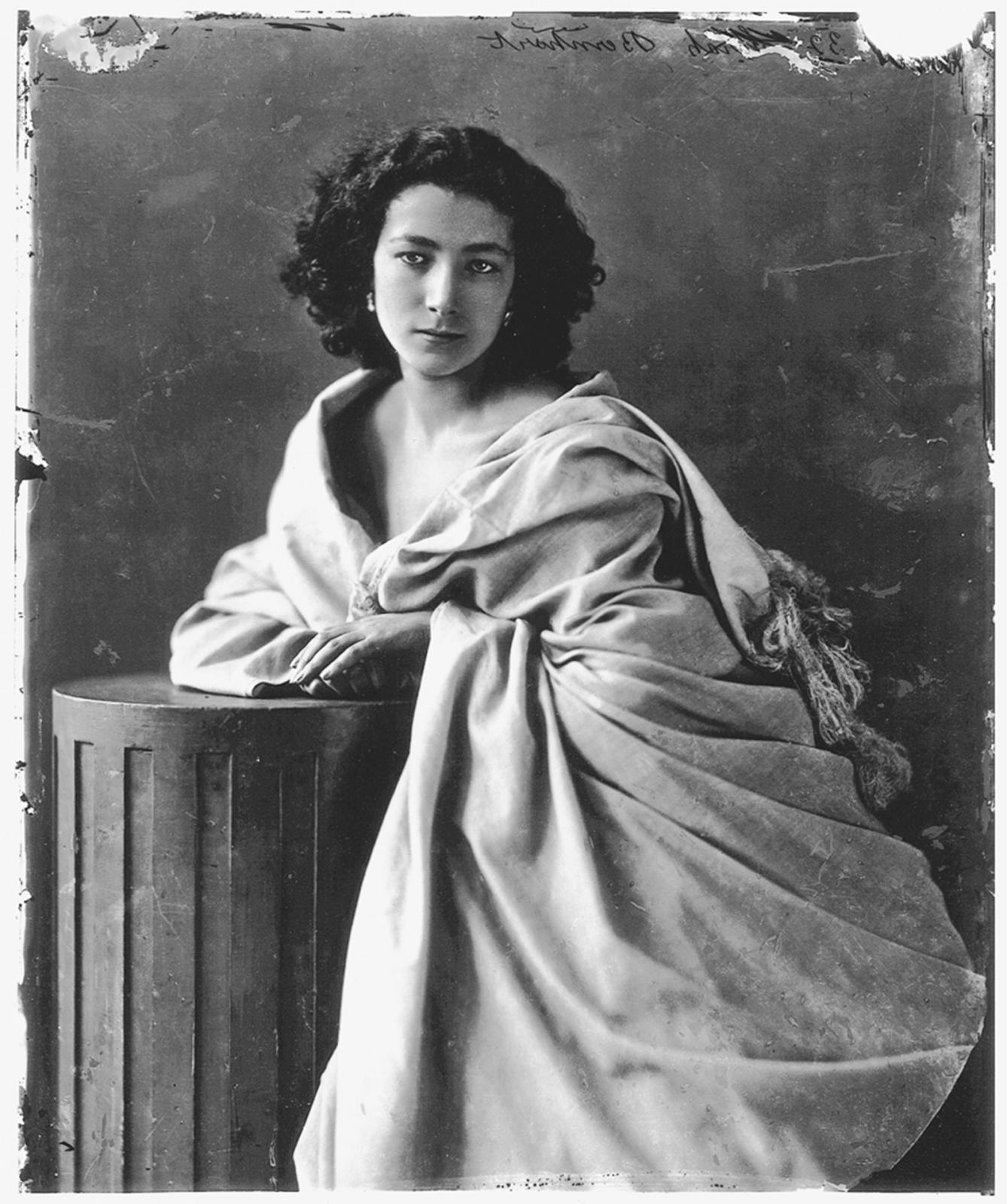
9–41. F. T. Nadar, “Sarah Bernhardt”
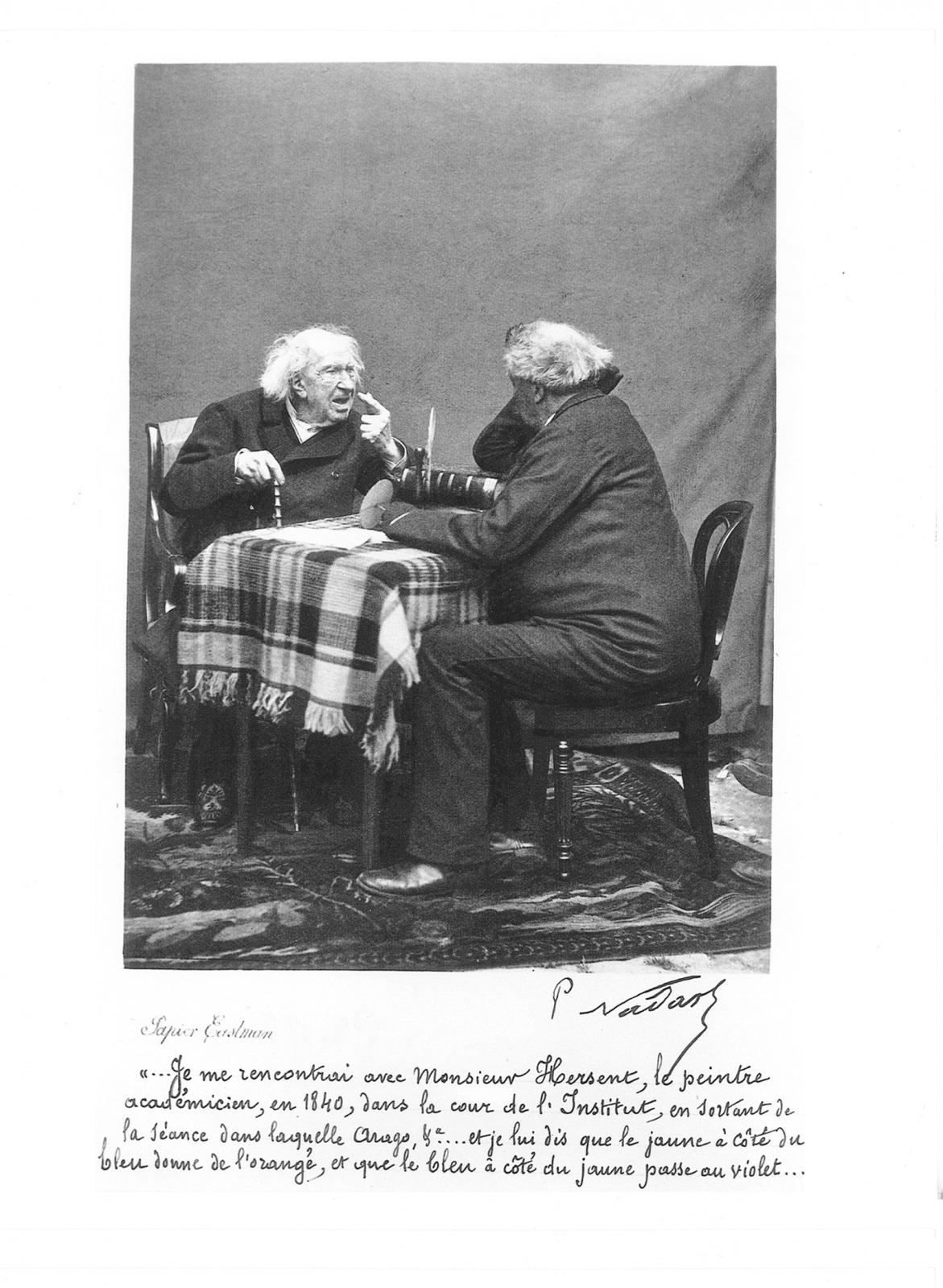
9–42. Paul Nadar, “Nadar Interviewing Chevreul,”
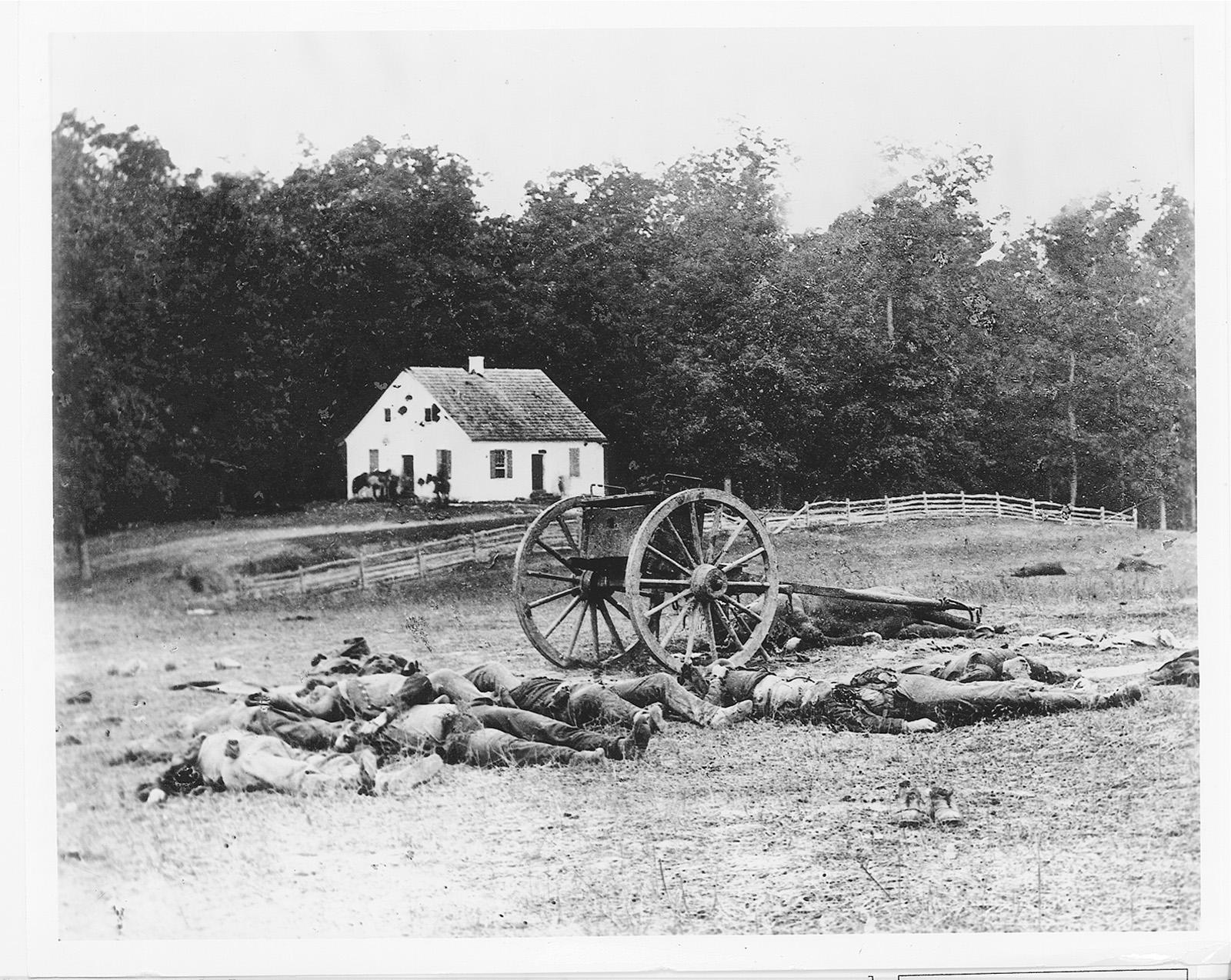
9–43. Mathew Brady, “Dunker Church and the Dead”
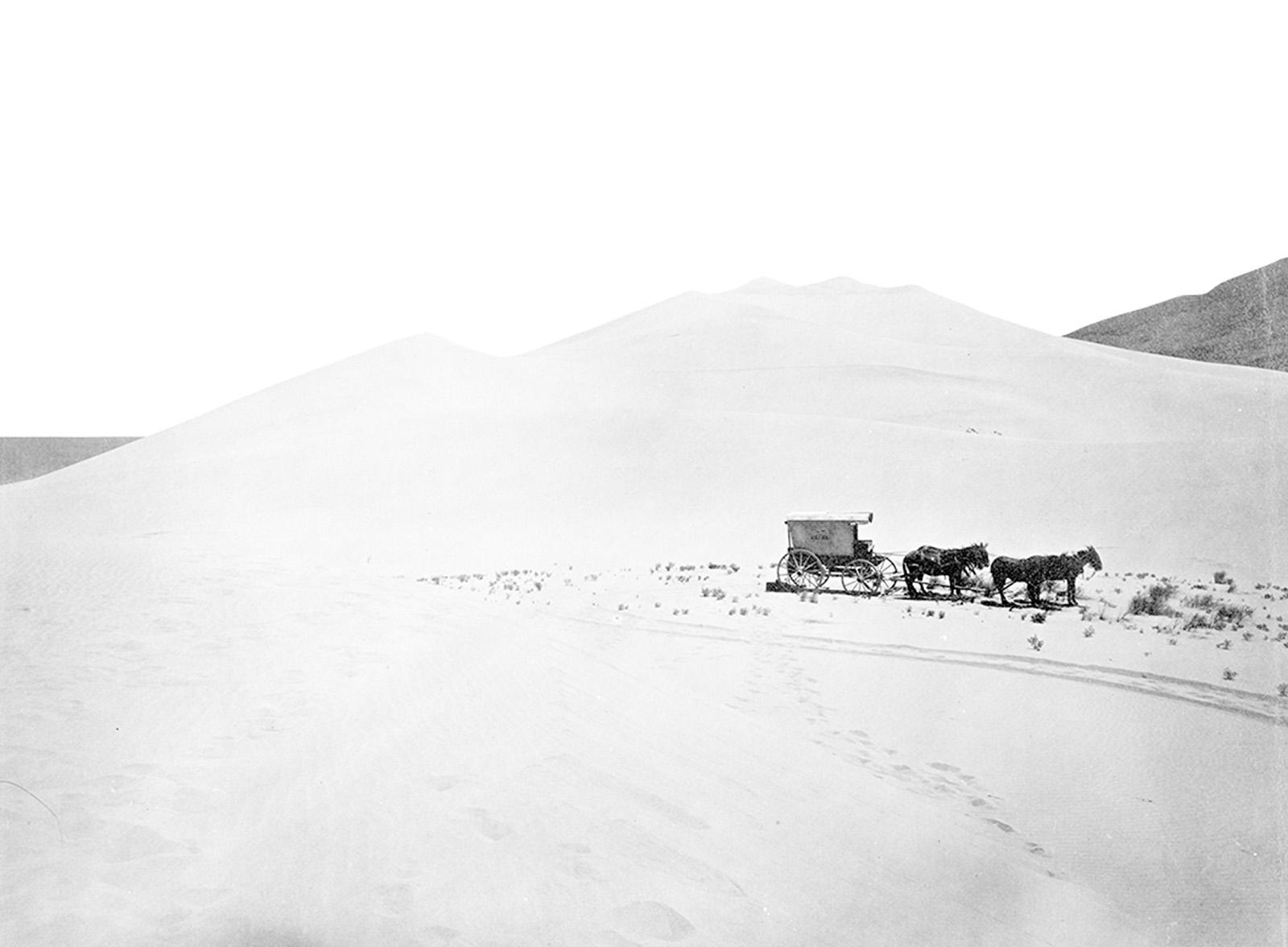
9–44. Timothy H. O’Sullivan, “Sand Dunes near Sand Springs, Nevada”
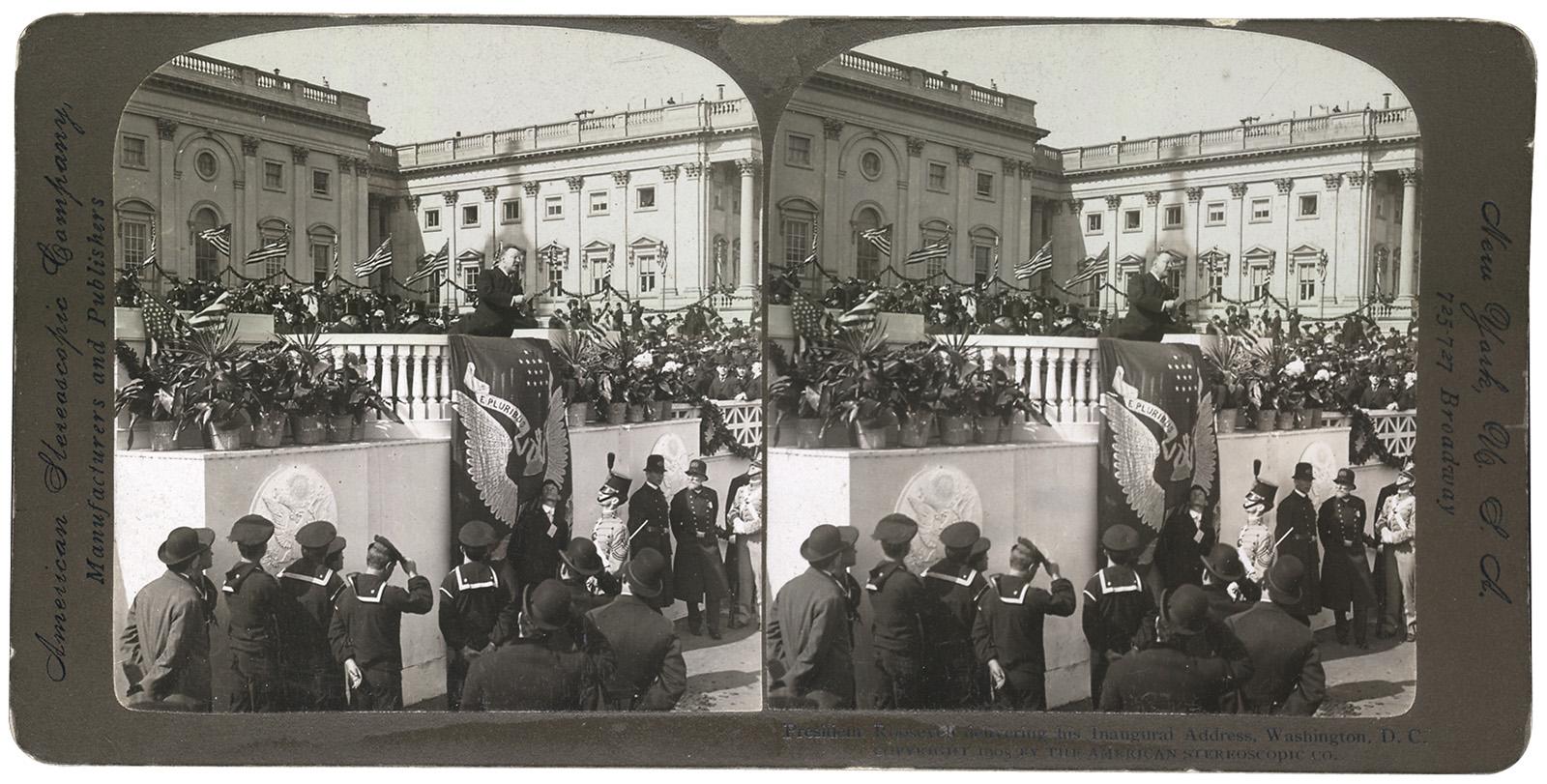
9–45. Stereocard depicting President Theodore Roosevelt delivering his inaugural address
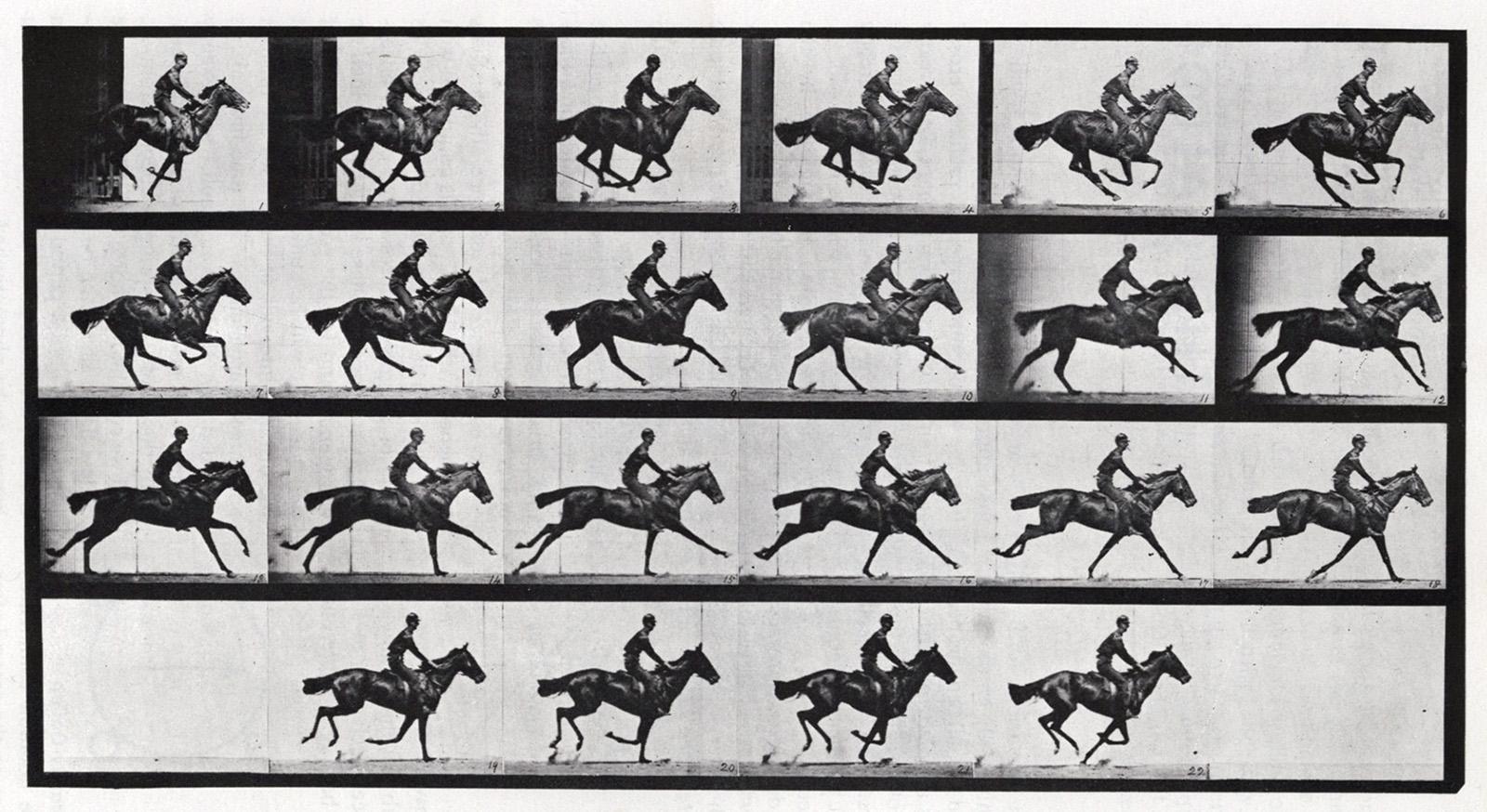
9–46. Eadweard Muybridge, plate published in The Horse in Motion
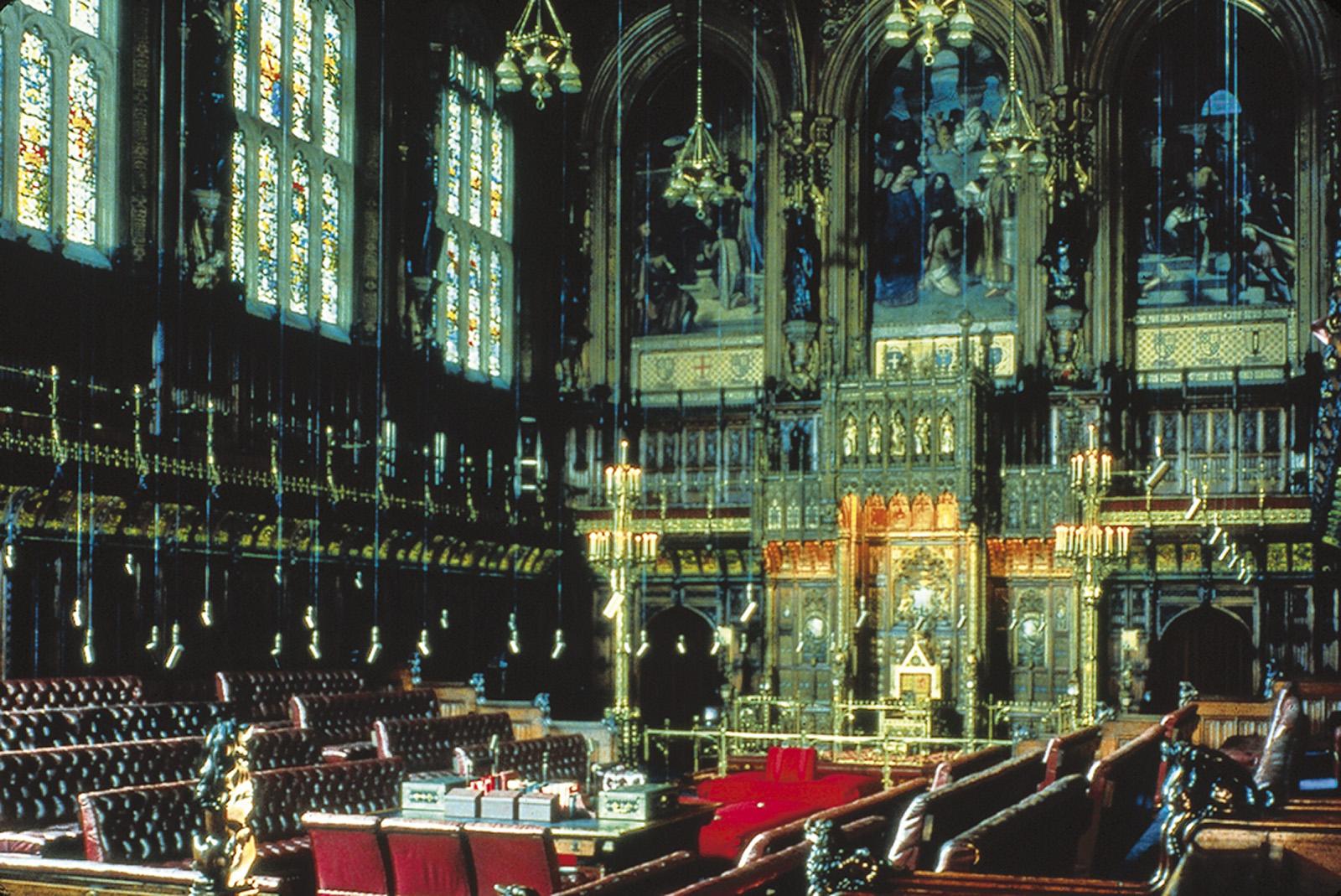
9–47. Sir Charles Barry with A. W. N. Pugin, the House of Lords in the British Houses of Parliament
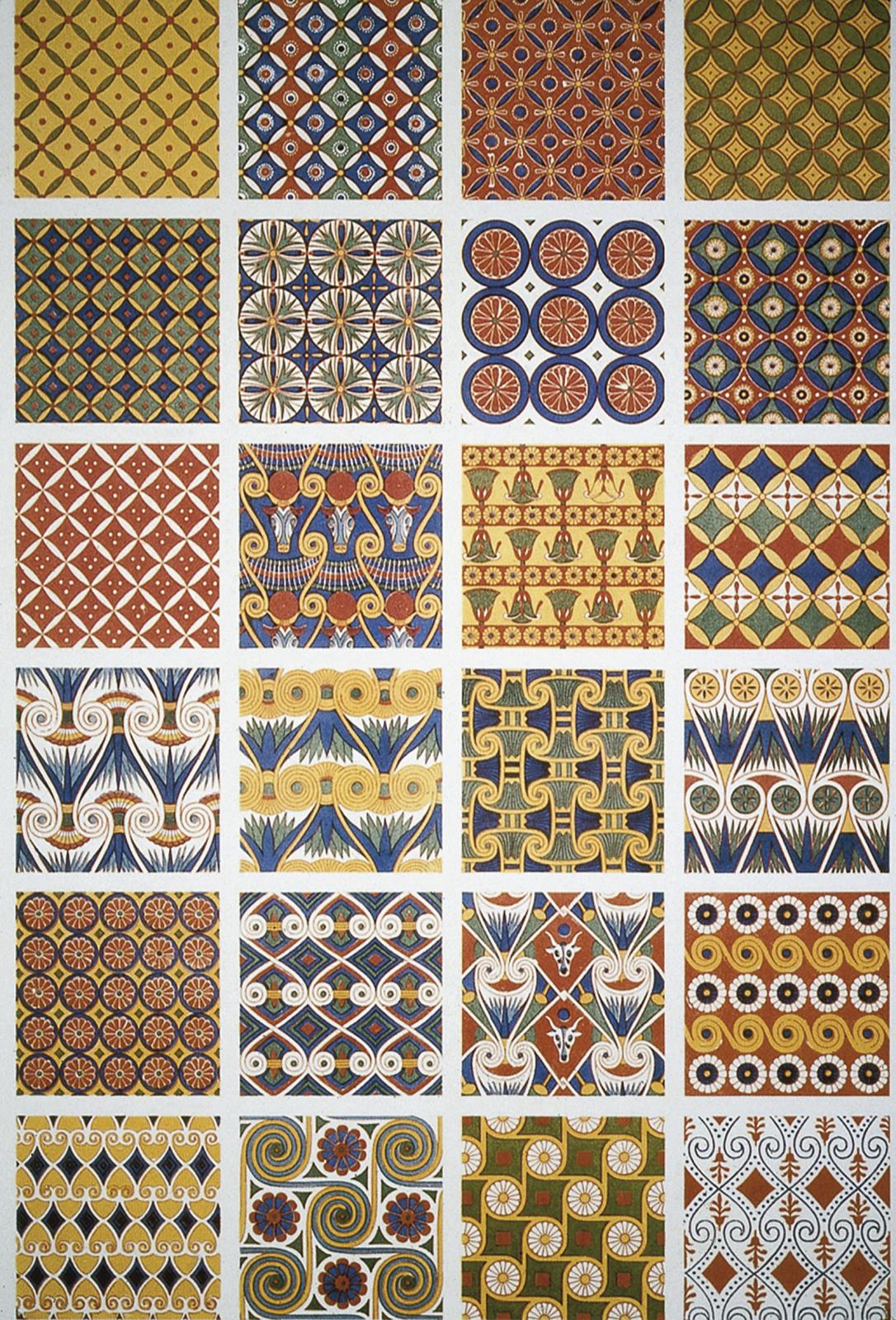
9–48. Owen Jones, color plate from The Grammar of Ornament
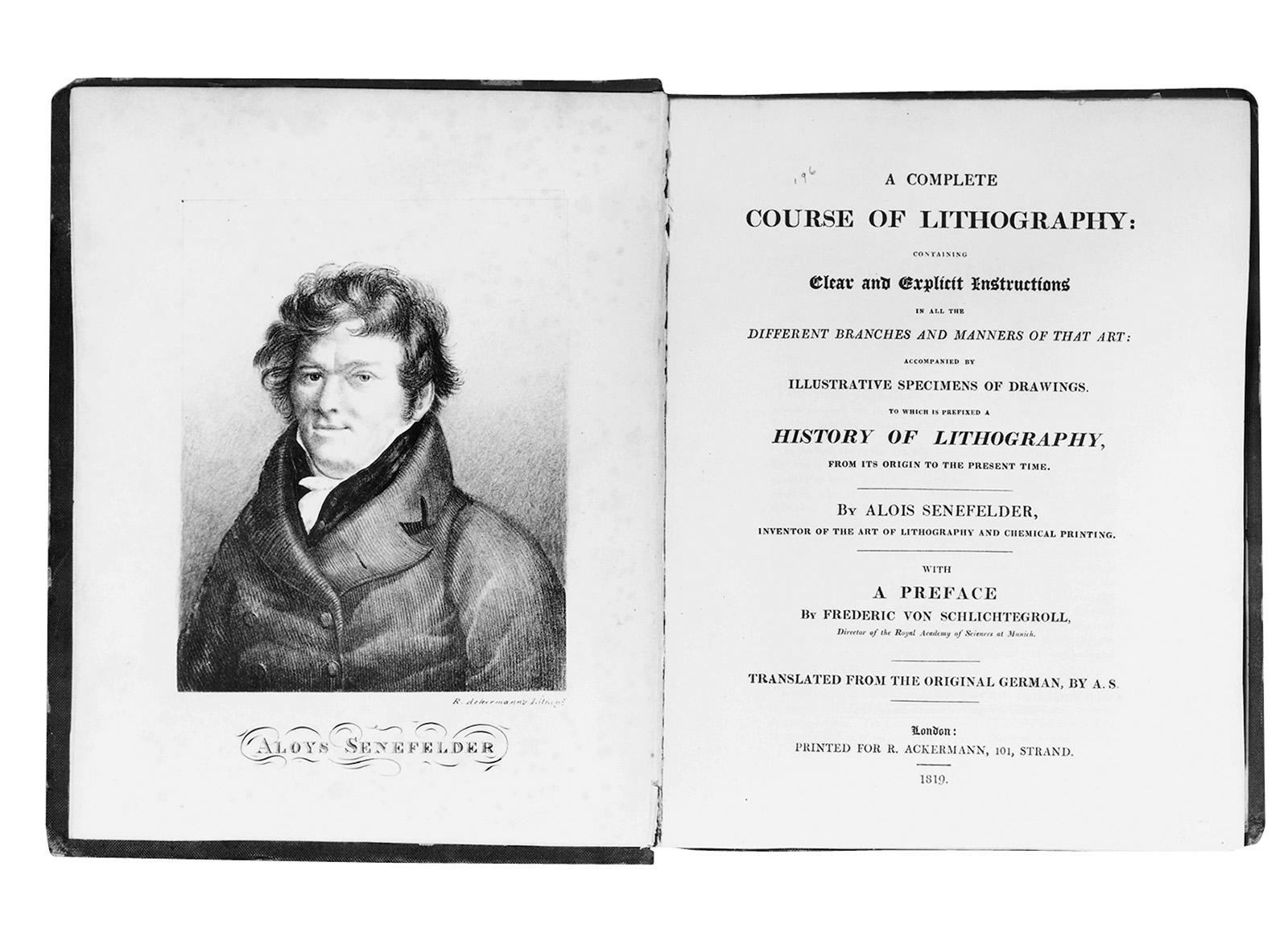
9–49. Aloys Senefelder, pages from A Complete Course of Lithography
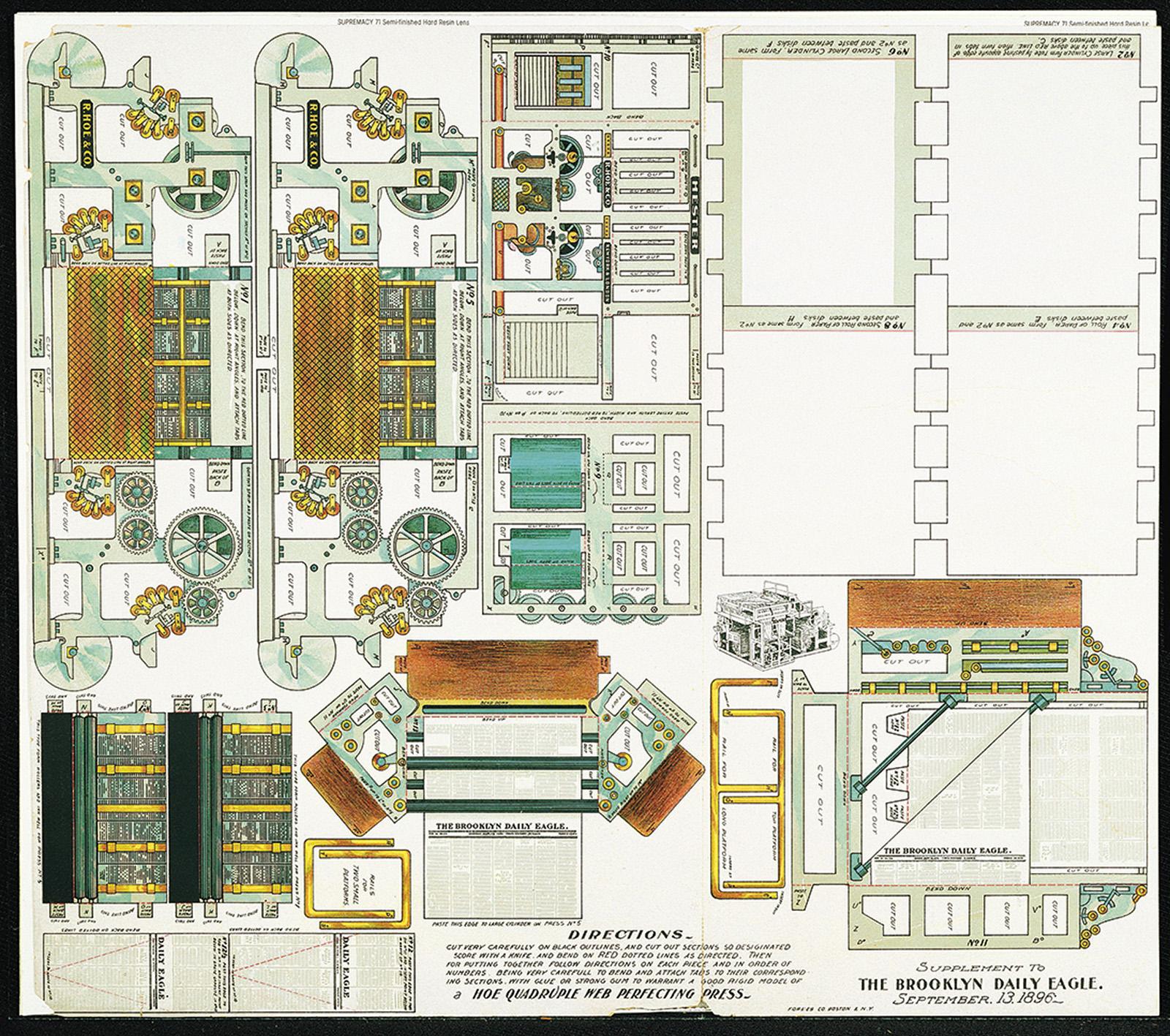
9–50. This paper model of the Hoe “quadruple web-perfecting press,” printed using chromolithography, was published on 13 September 1896 in a supplement to the Brooklyn Daily Eagle.
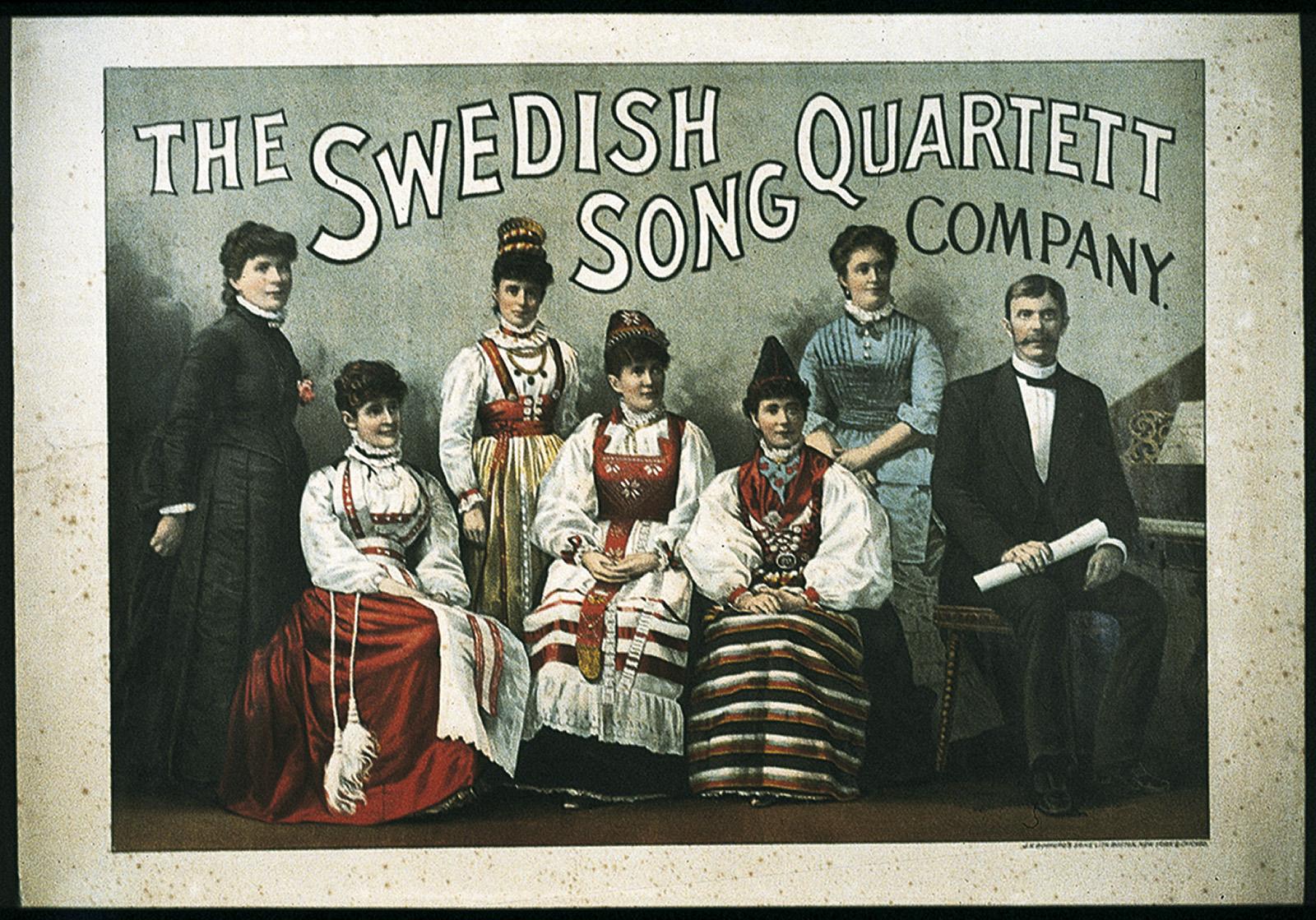
9–51. John H. Bufford’s Sons, “Swedish Song Quartett” poster
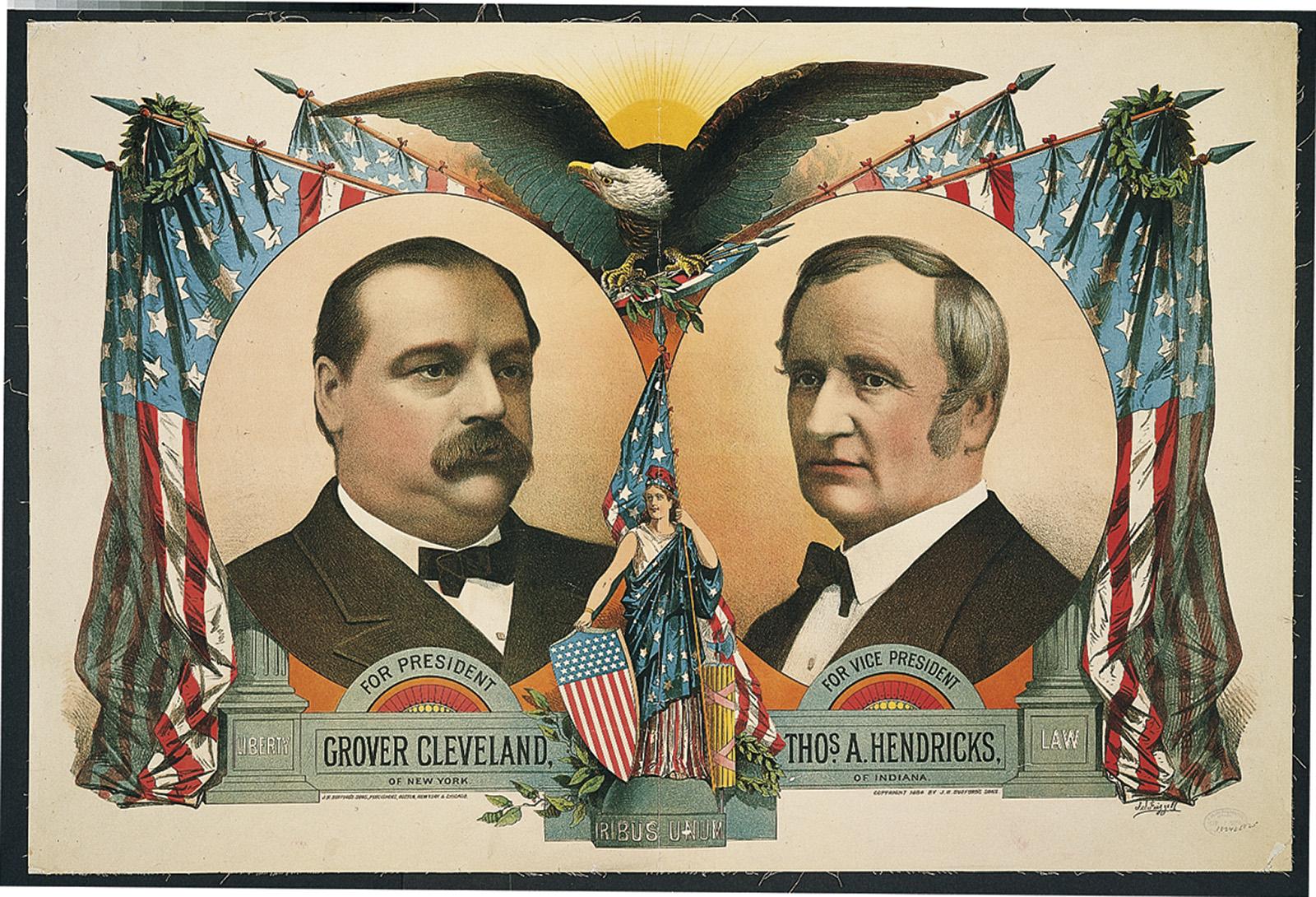
9–52. S. S. Frizzall (artist) and J. H. Bufford’s Sons (printers), poster for the Cleveland and Hendricks presidential campaign
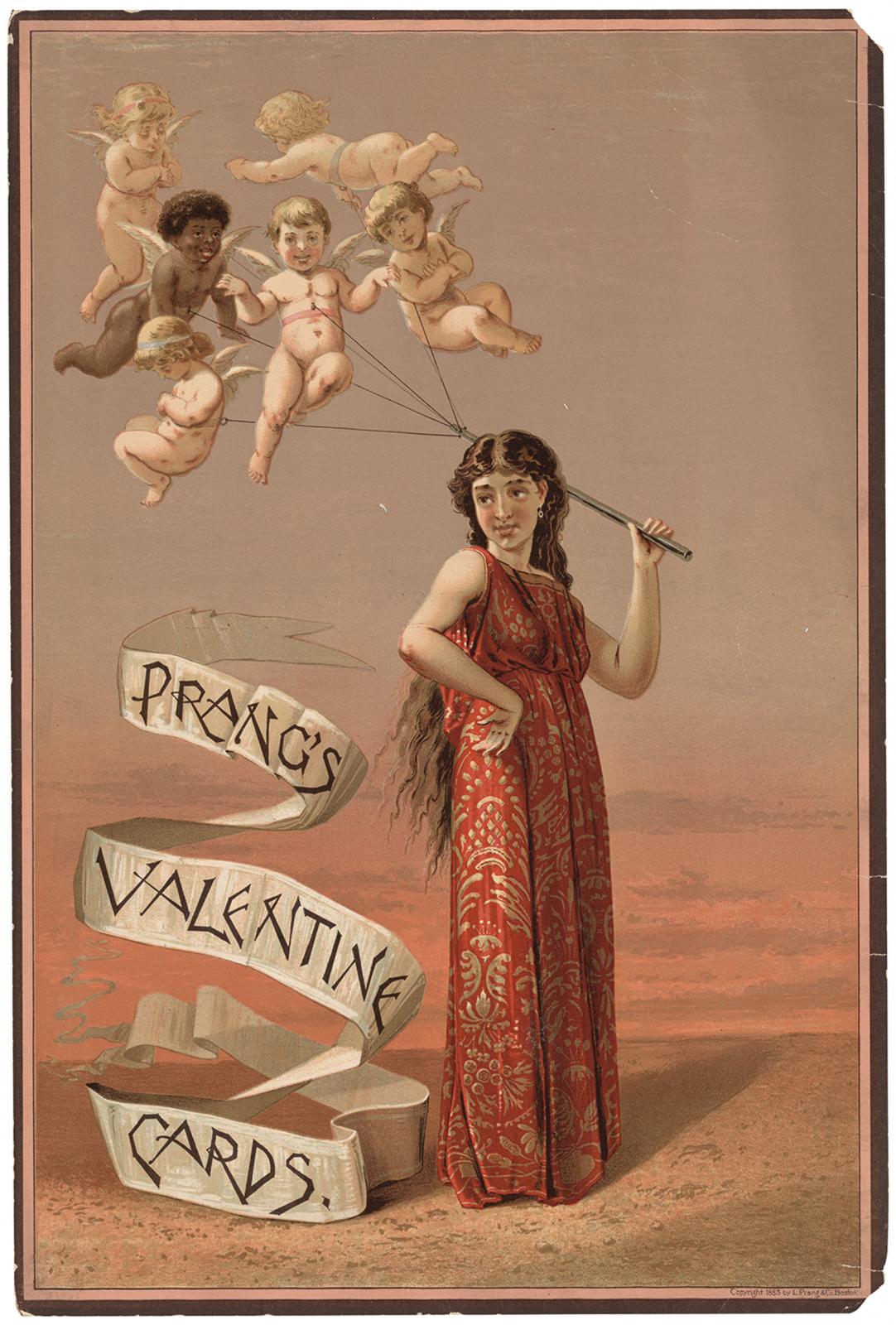
9–53. Louis Prang, Valentine card
9–54. L. Prang and Company and others
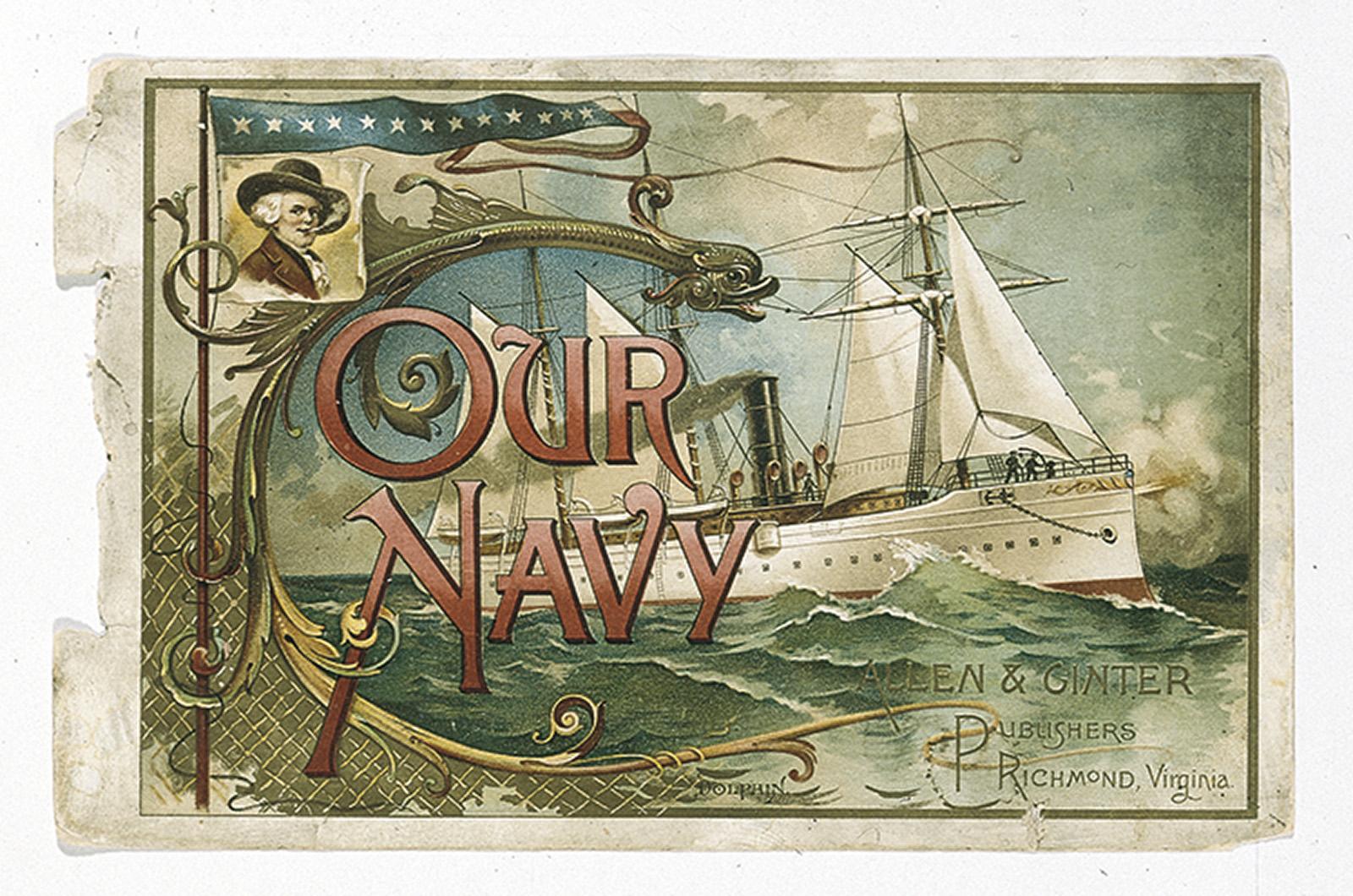
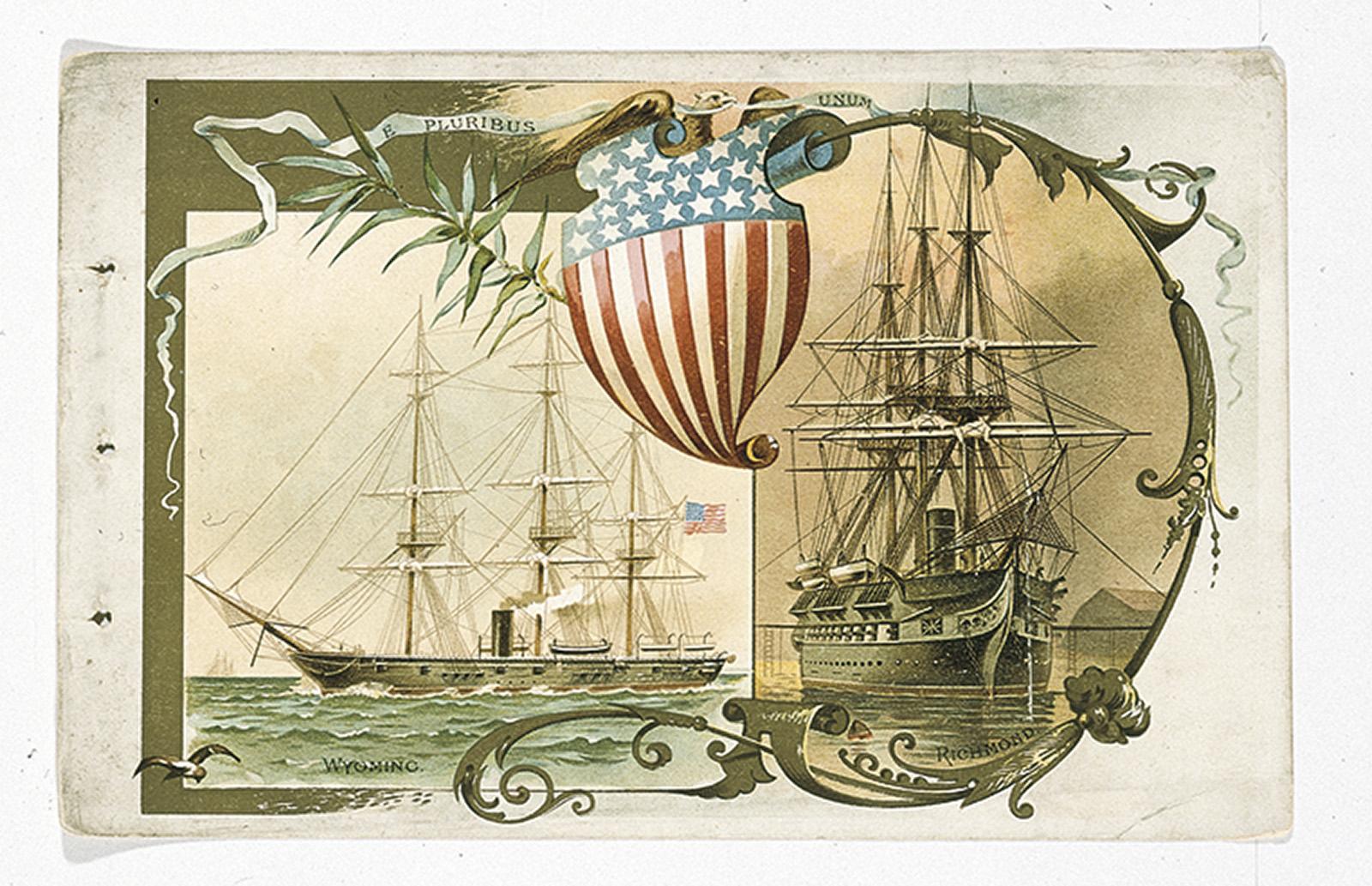
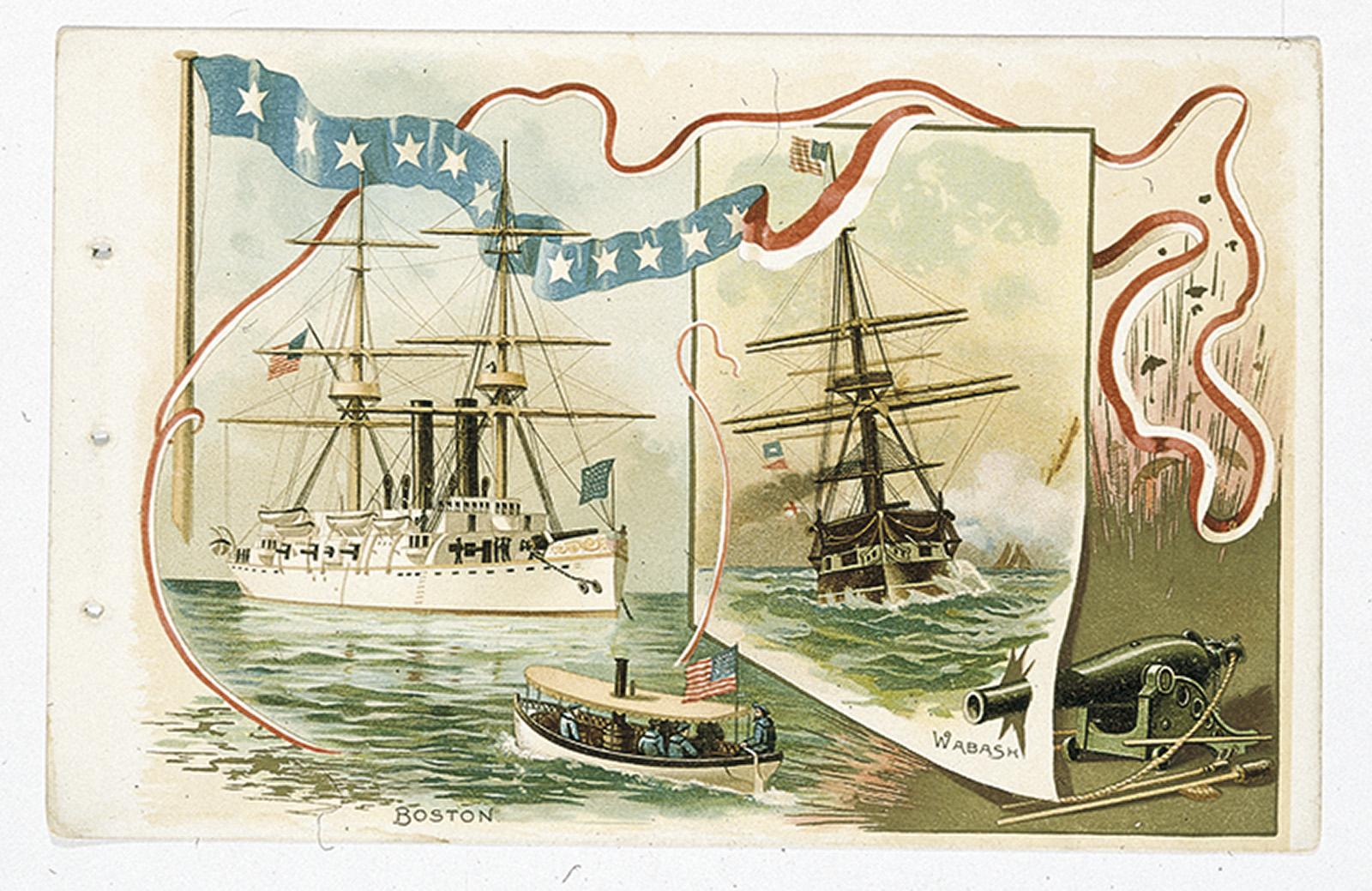
9–55. Schumacher & Ettlinger, lithographers, cover and pages from Our Navy premium booklet
9–55. Schumacher & Ettlinger, lithographers, cover and pages from Our Navy premium booklet
9–55. Schumacher & Ettlinger, lithographers, cover and pages from Our Navy premium booklet
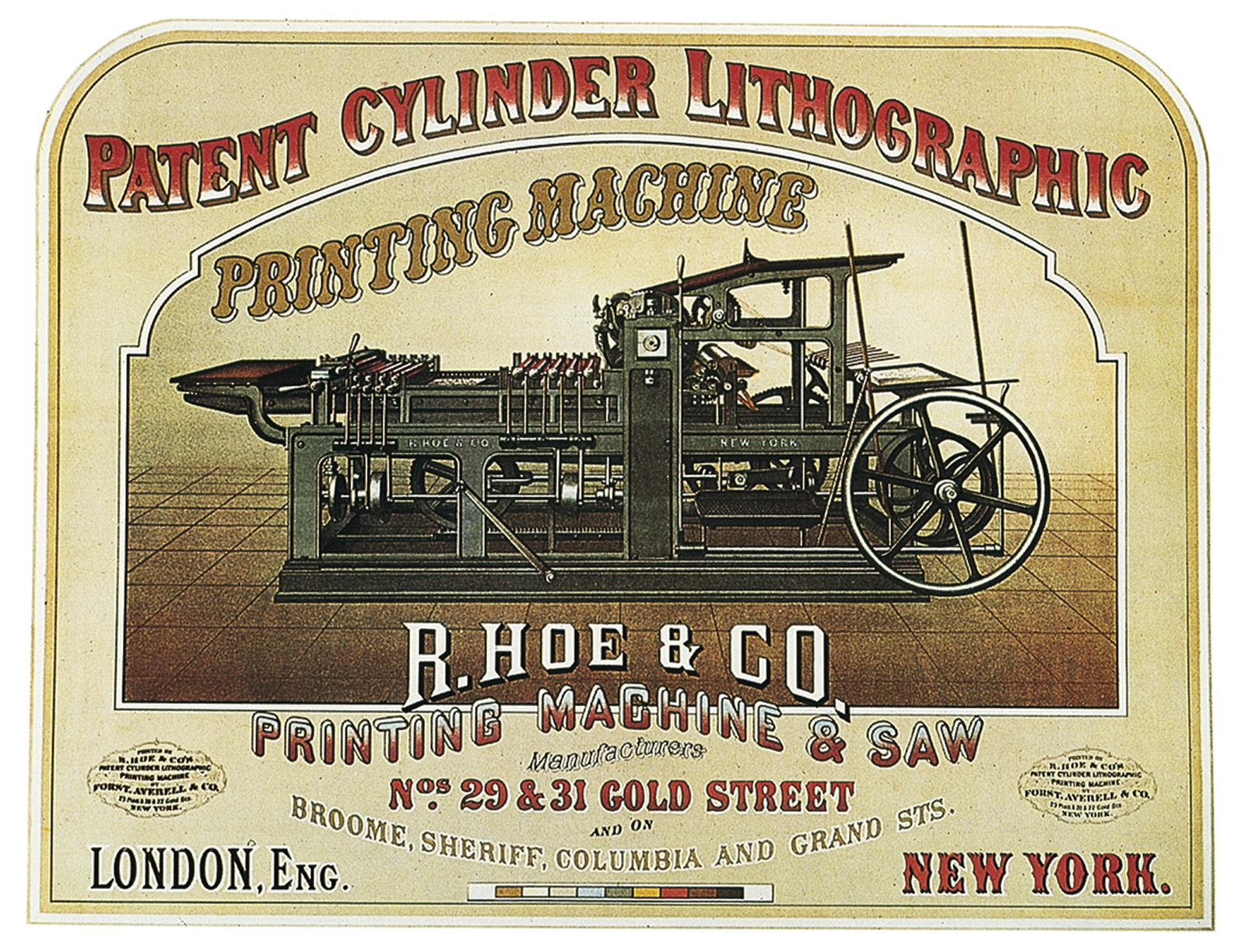
9–56. Forst, Averell & Co., poster for the Hoe printing press
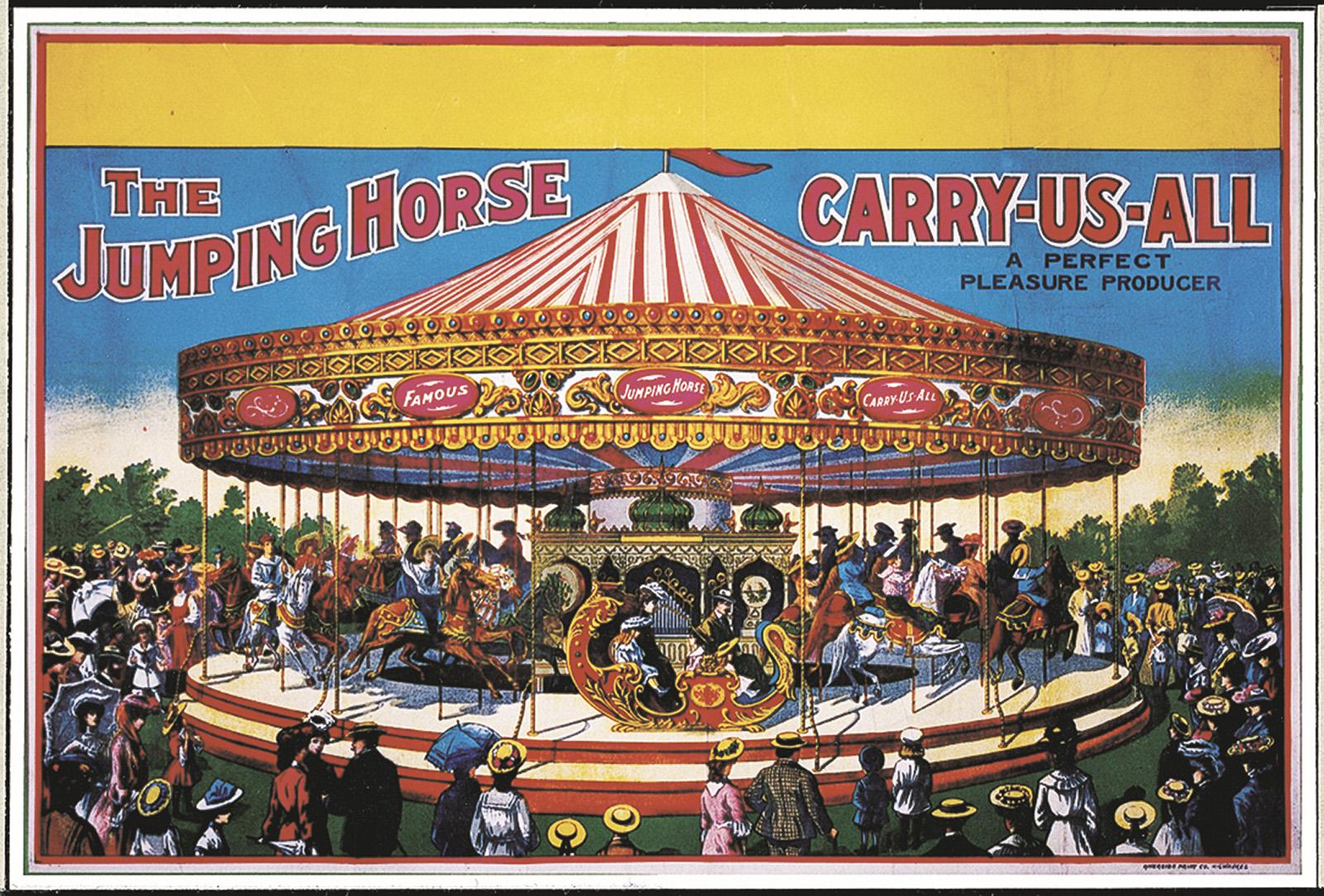
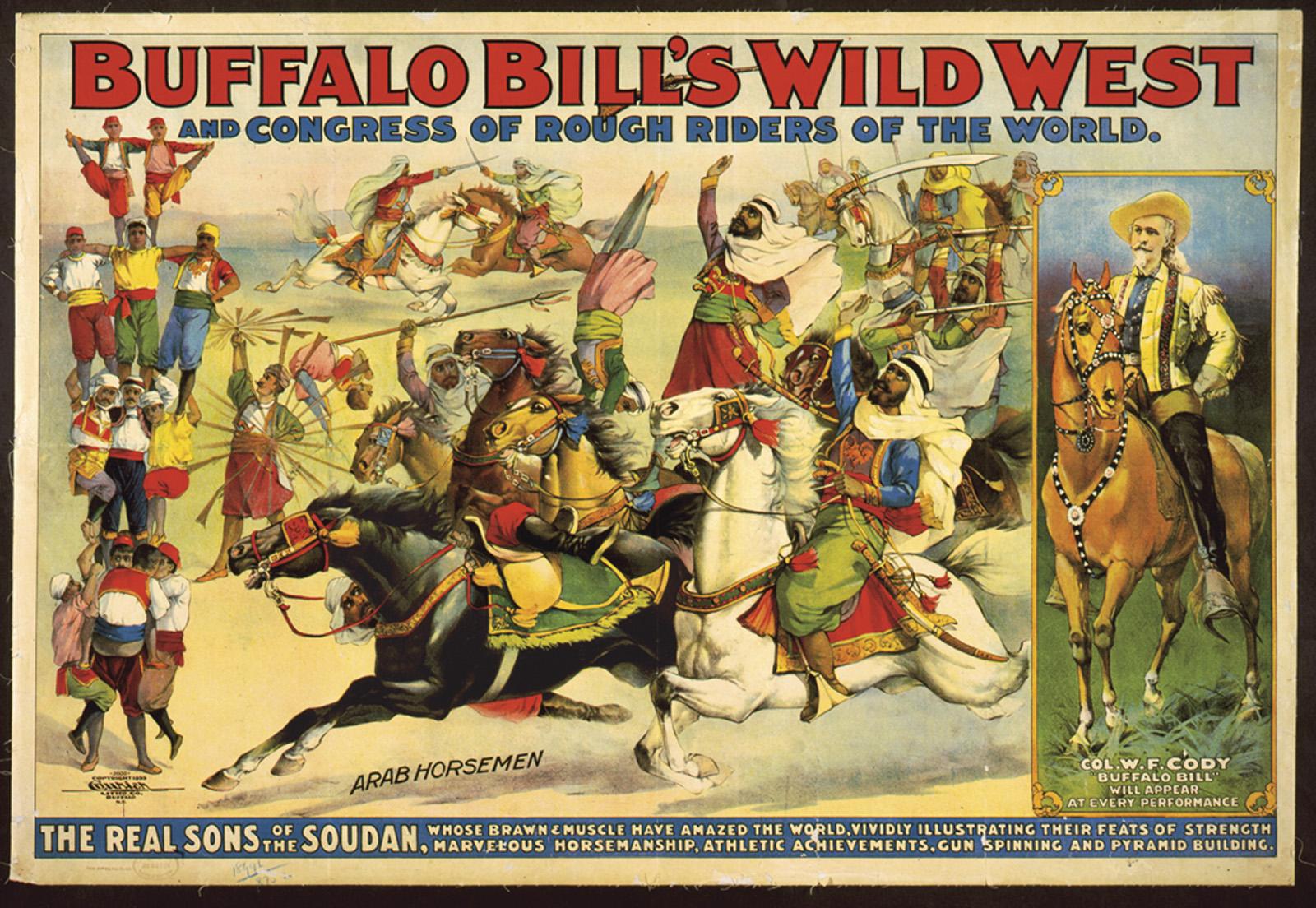
9–57. The Riverside Print Company of Milwaukee, poster for C. W. Parker Company’s Carry-Us-All portable carousels
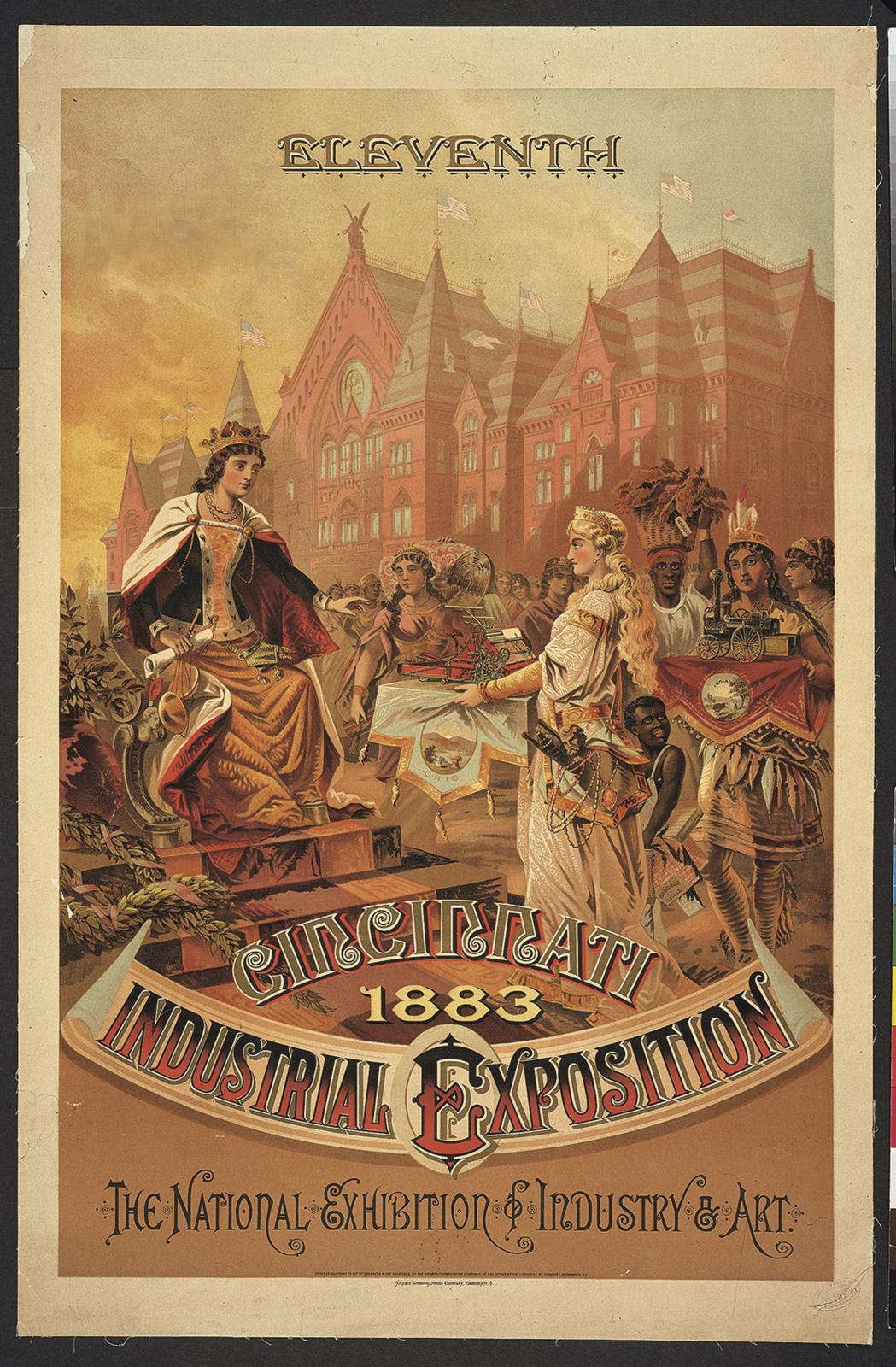
9–58. Krebs Lithographing Company, poster for the Cincinnati Industrial Exposition
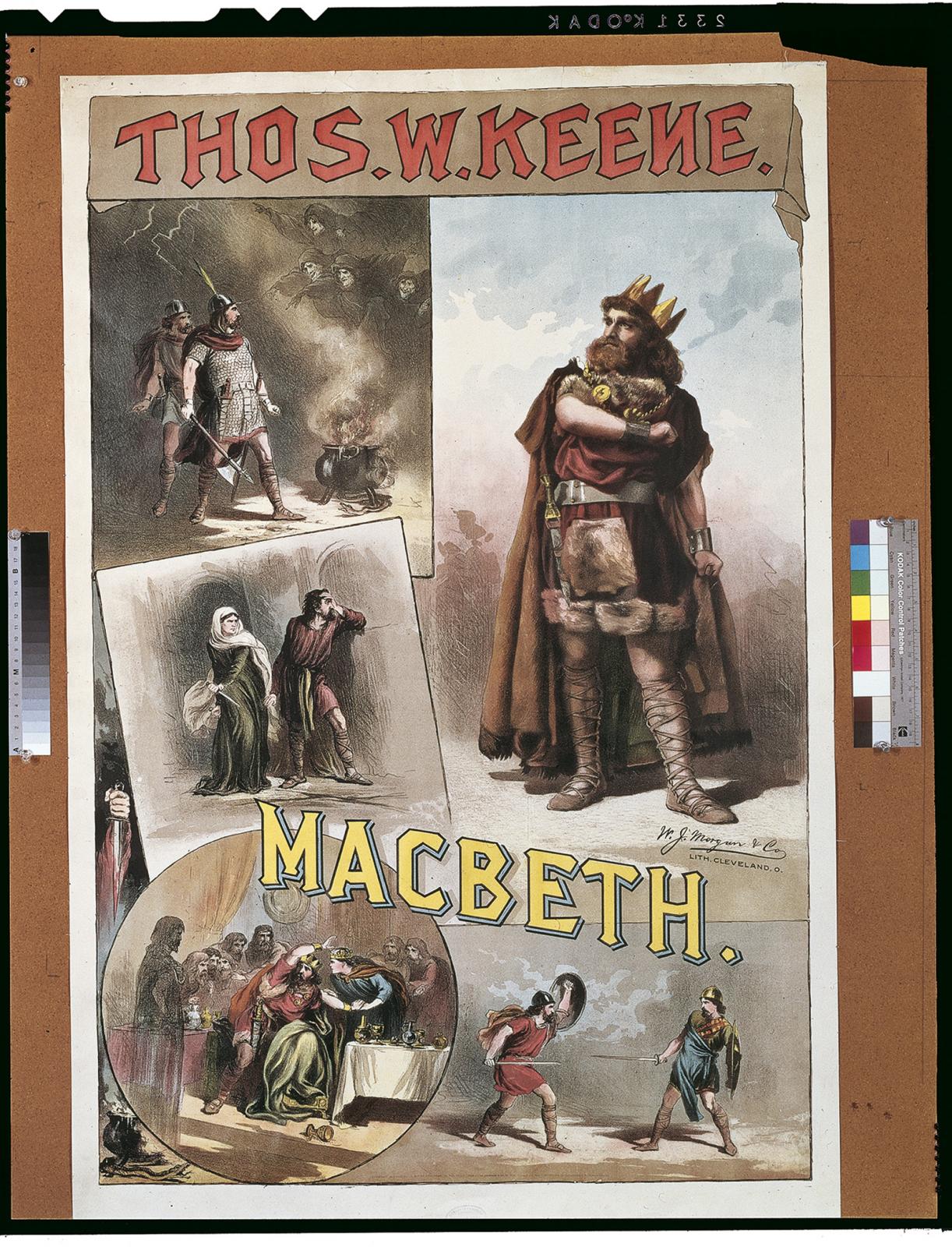
9–59. W. J. Morgan and Co., Cleveland, lithographic theater poster
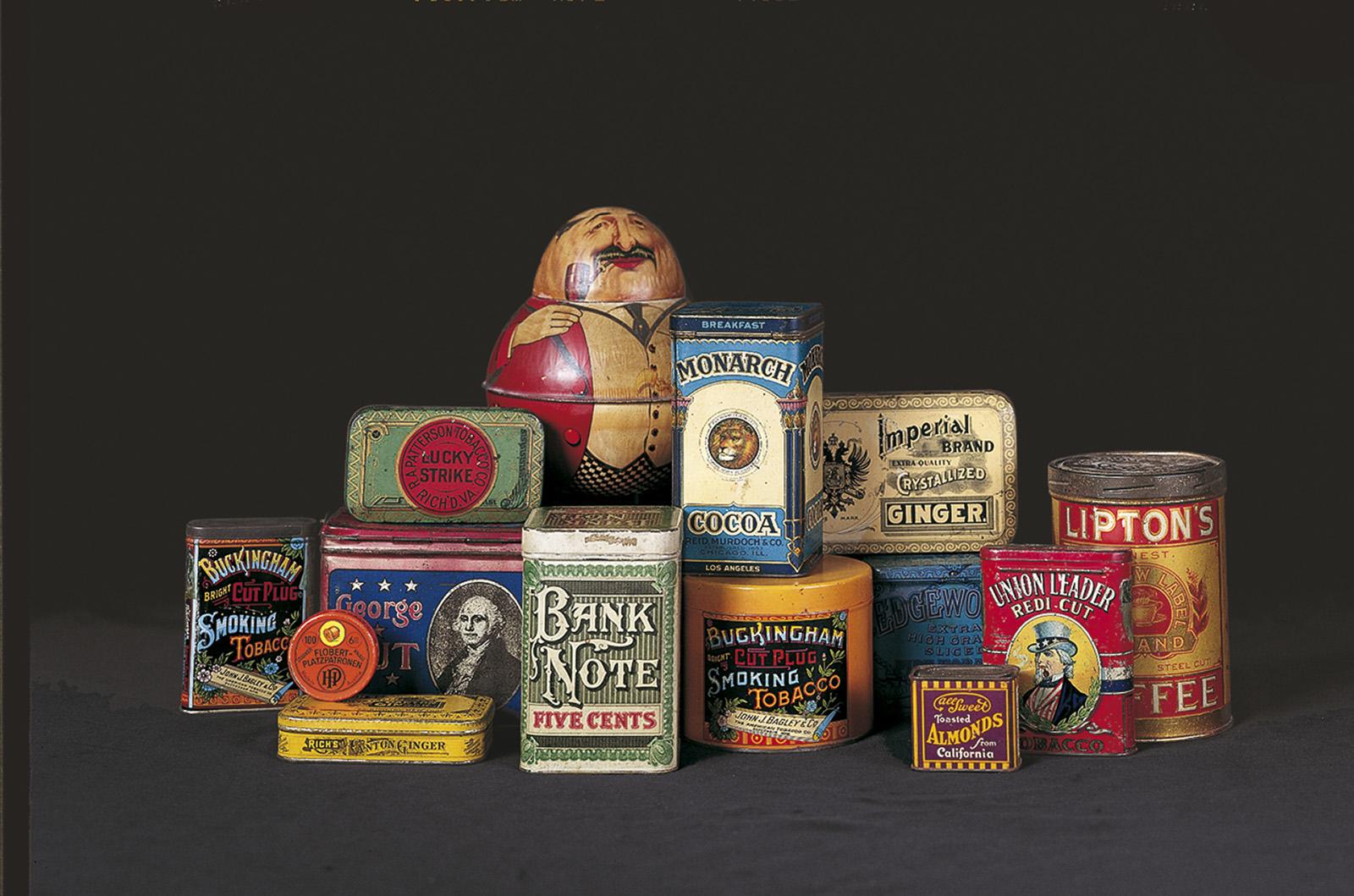
9–60. Package designs chromolithographed on tin for food and tobacco products used bright flat colors, elaborate lettering, and iconic images to create an emblematic presence for the product.
9–61. Currier Lithograph Co., lithographic poster
9–62. Joseph Morse, multicolored woodcut poster
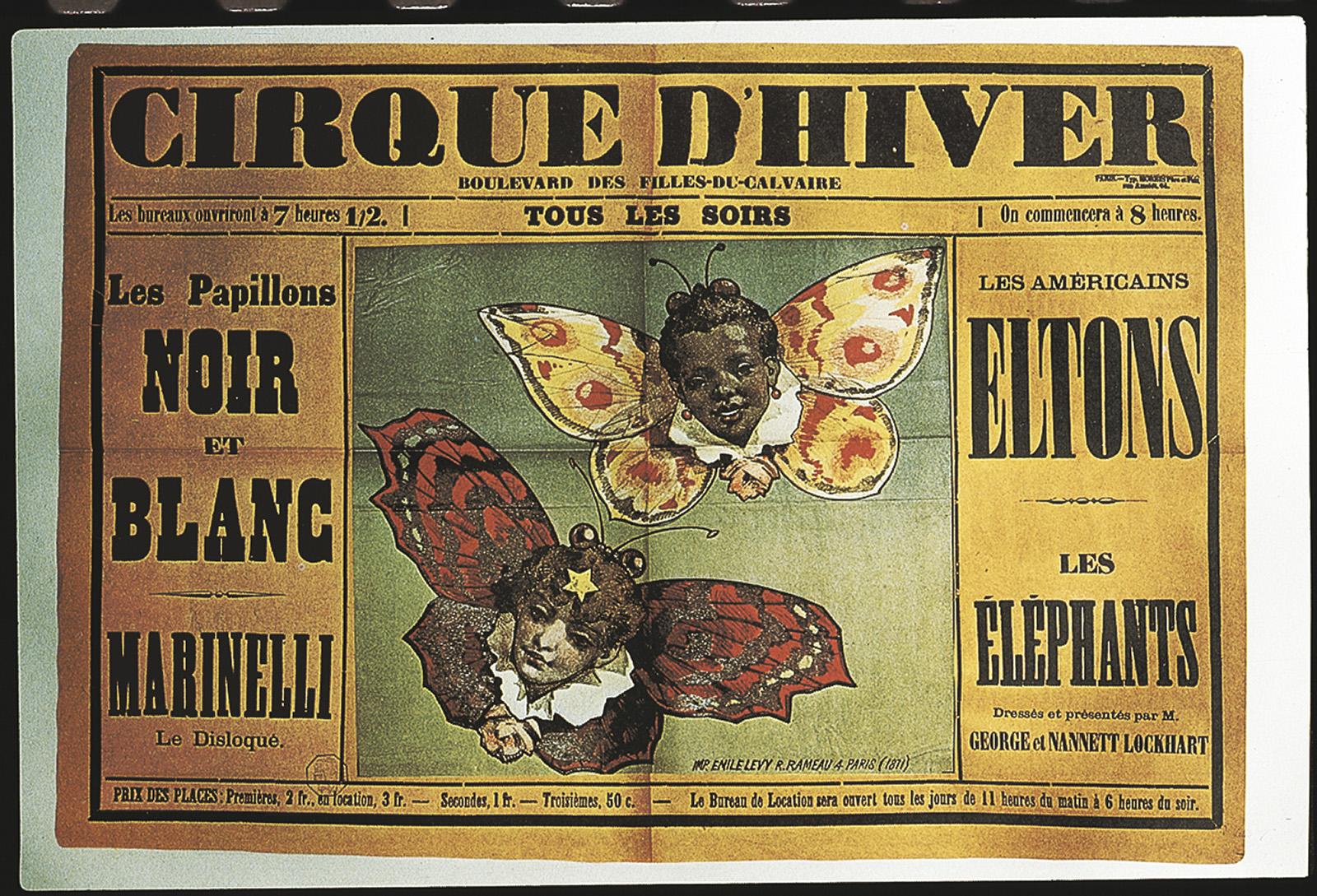
9–63. Morris Père et Fils (letterpress printers) and Emile Levy (lithographer), “Cirque d’hiver” poster
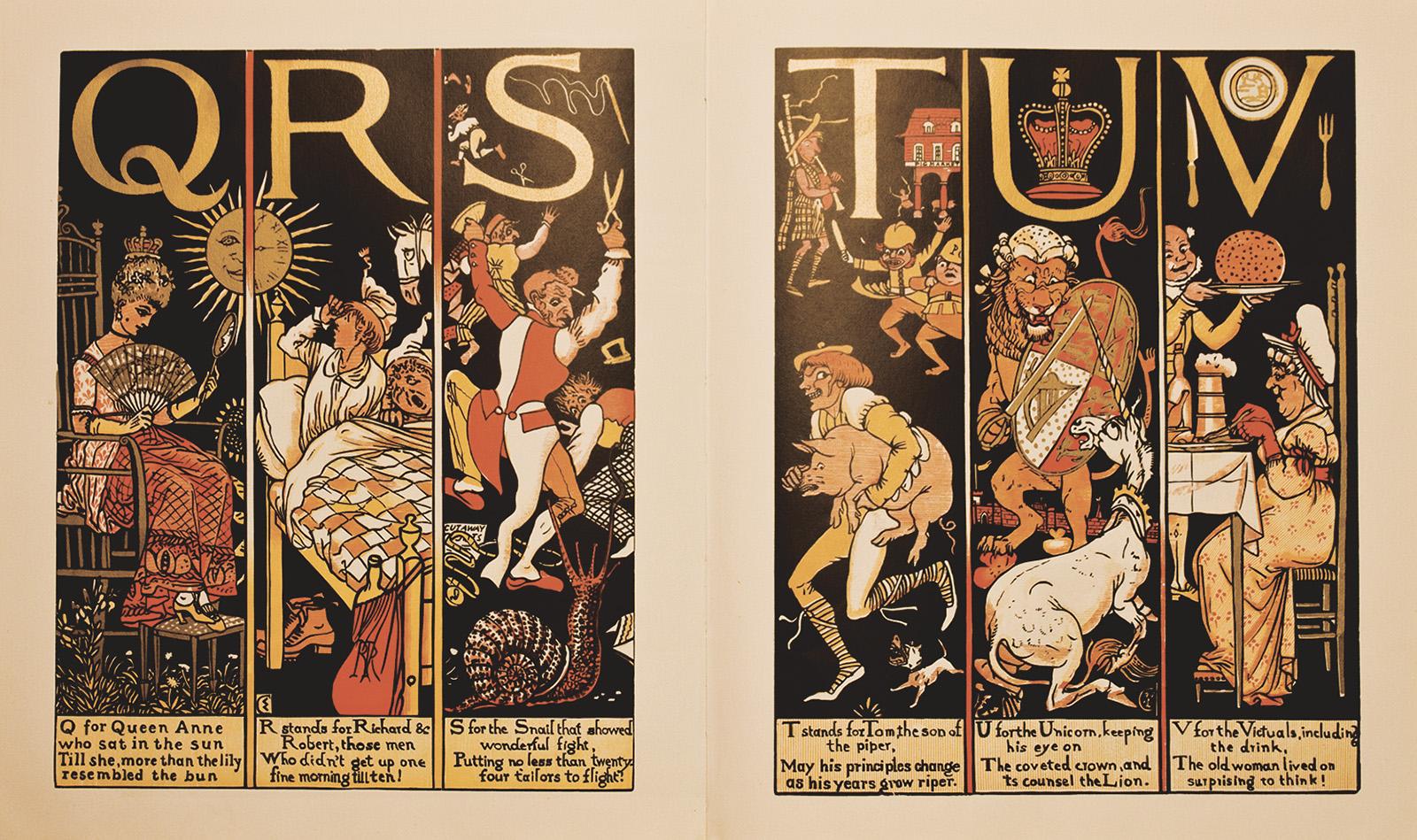
9–64. Walter Crane, page from Absurd ABC
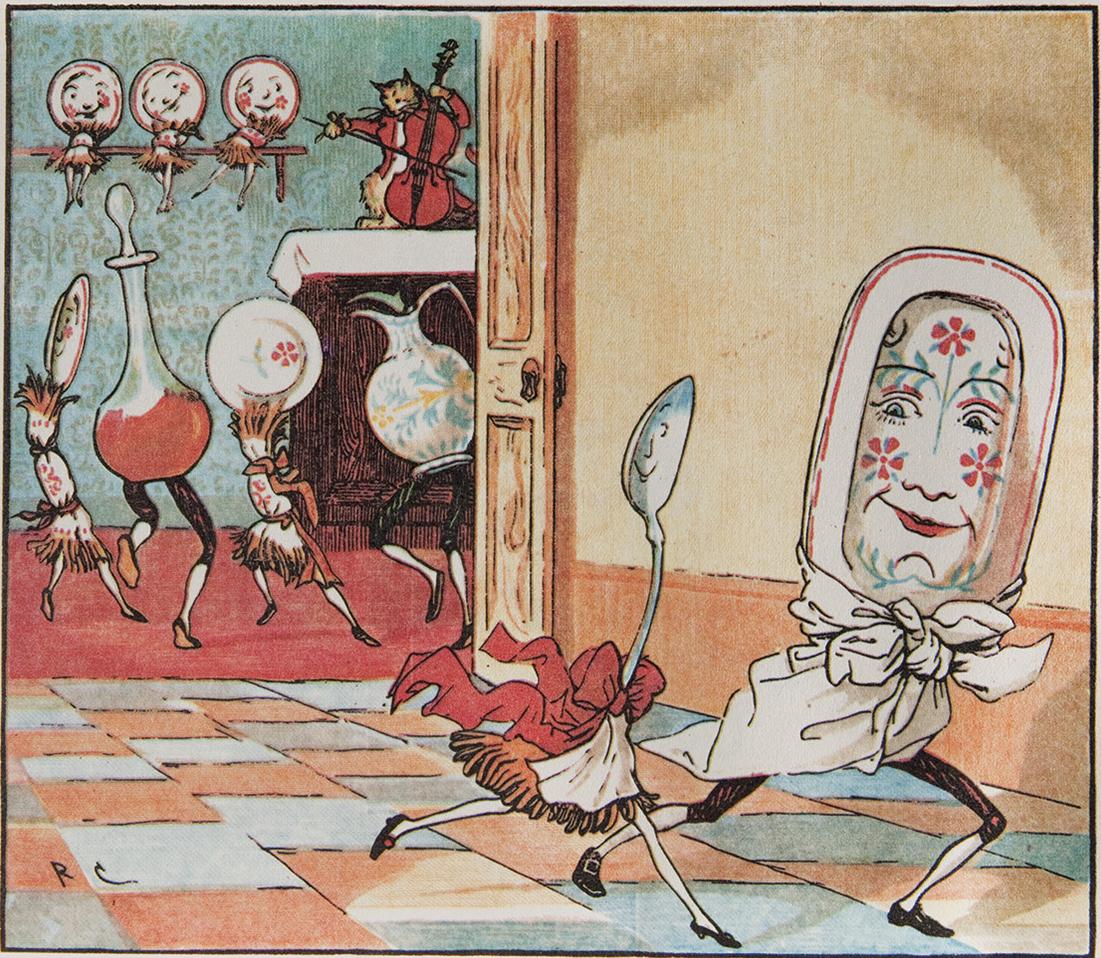
9–65. Randolph Caldecott, illustration from Hey Diddle Diddle
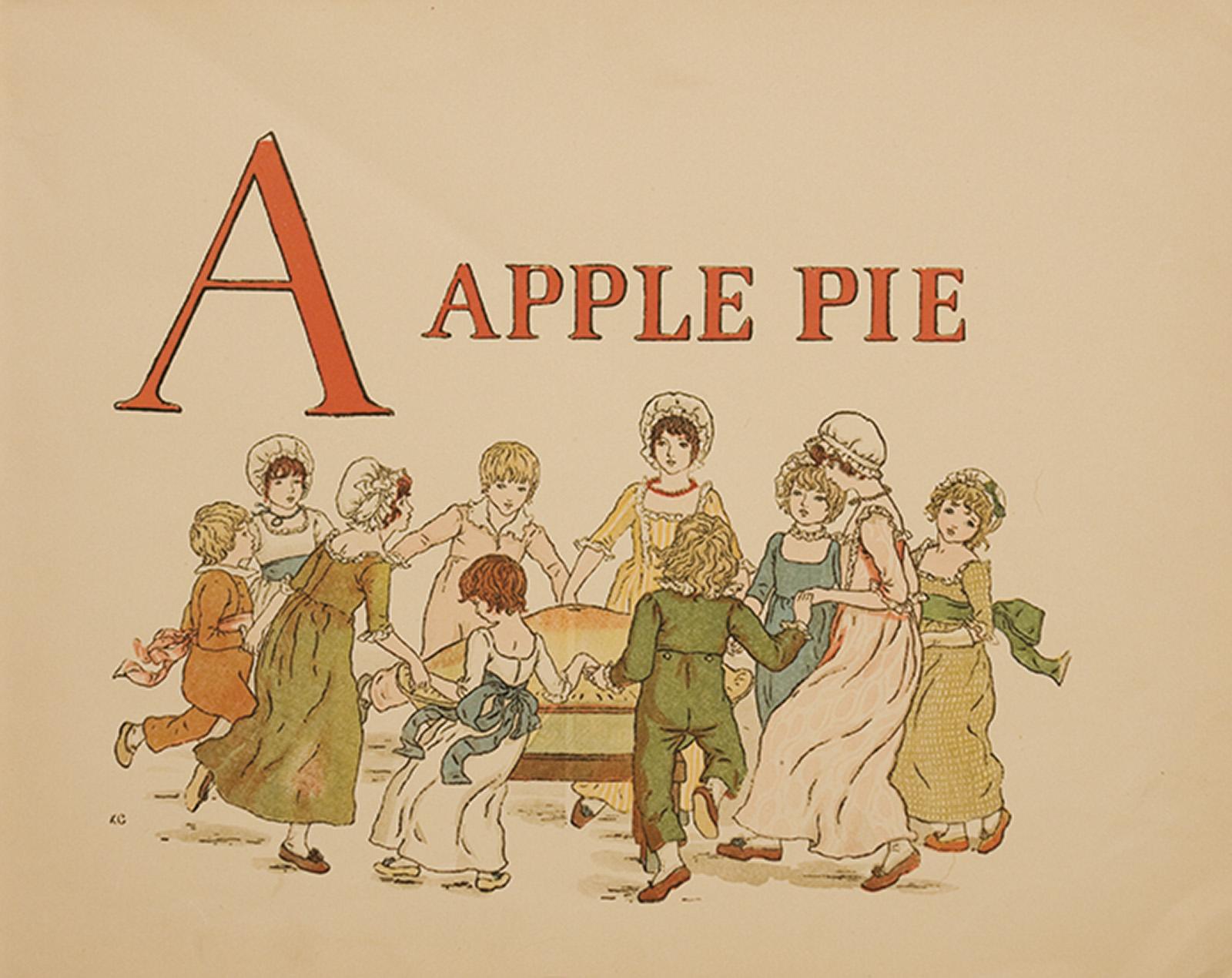
9–66. Kate Greenaway, page from A Apple Pie
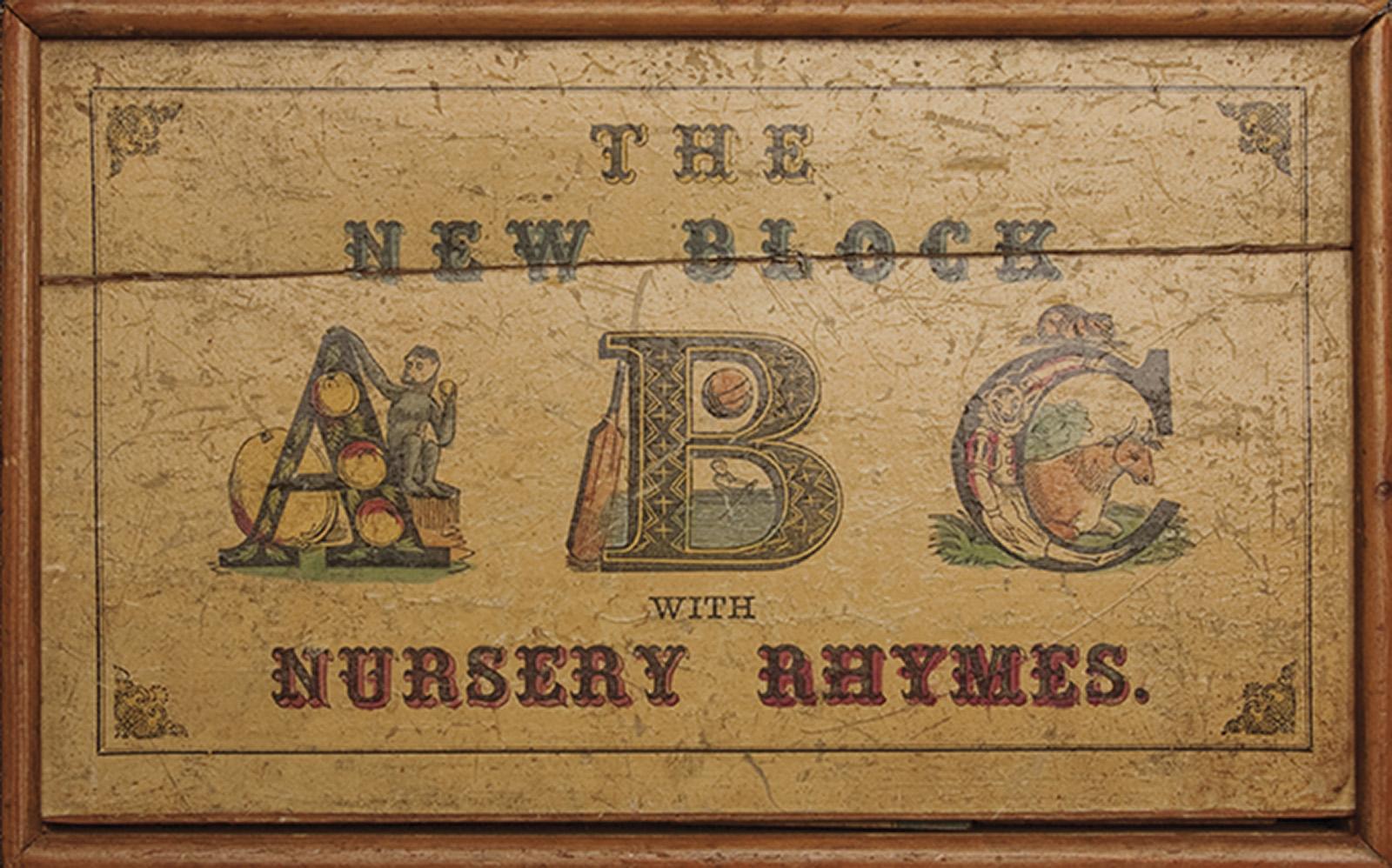
9–67. Cover of The New Block ABC with Nursery Rhymes
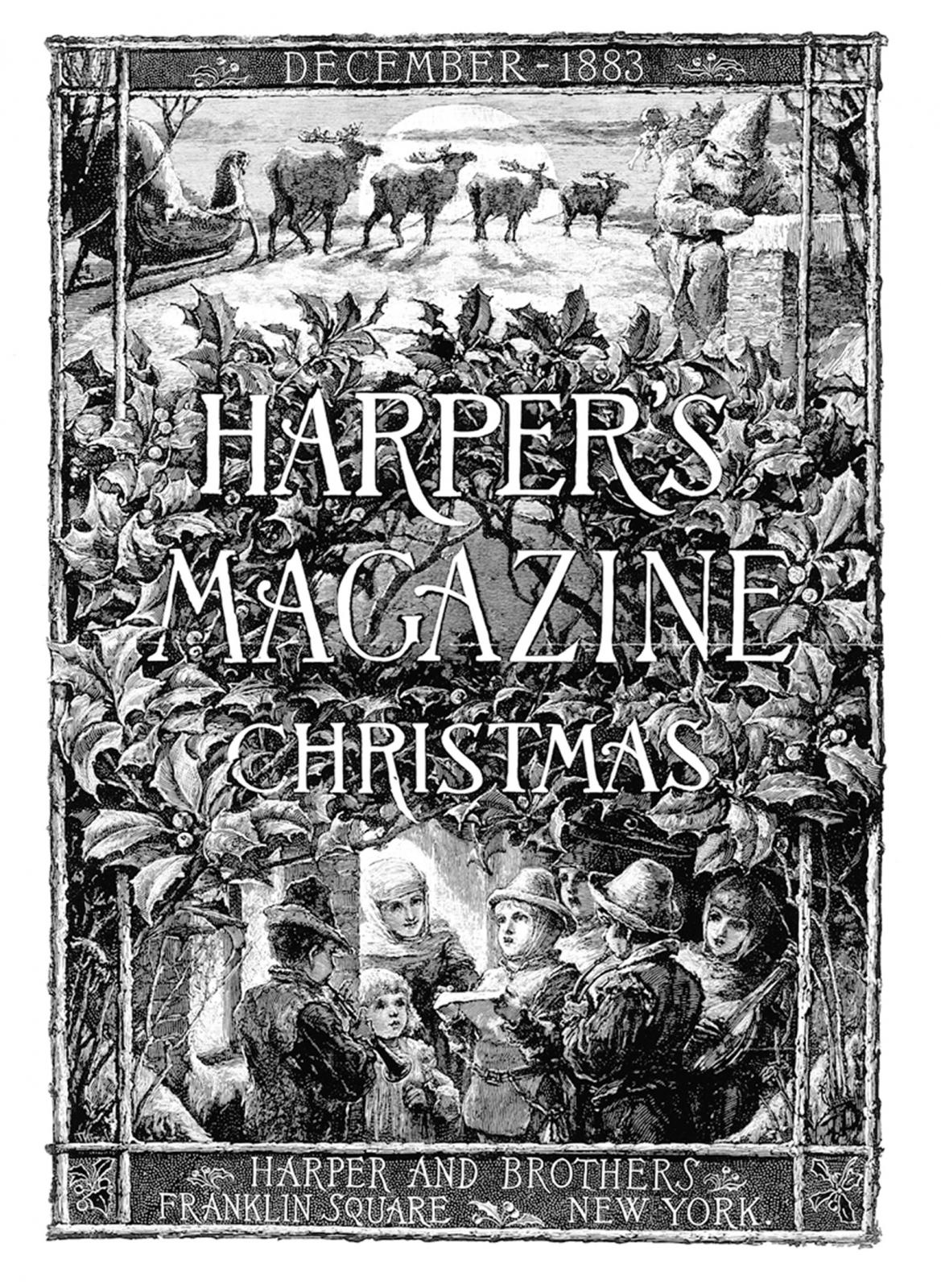
9–68. Richard G. Tietze, poster for Harper’s Magazine
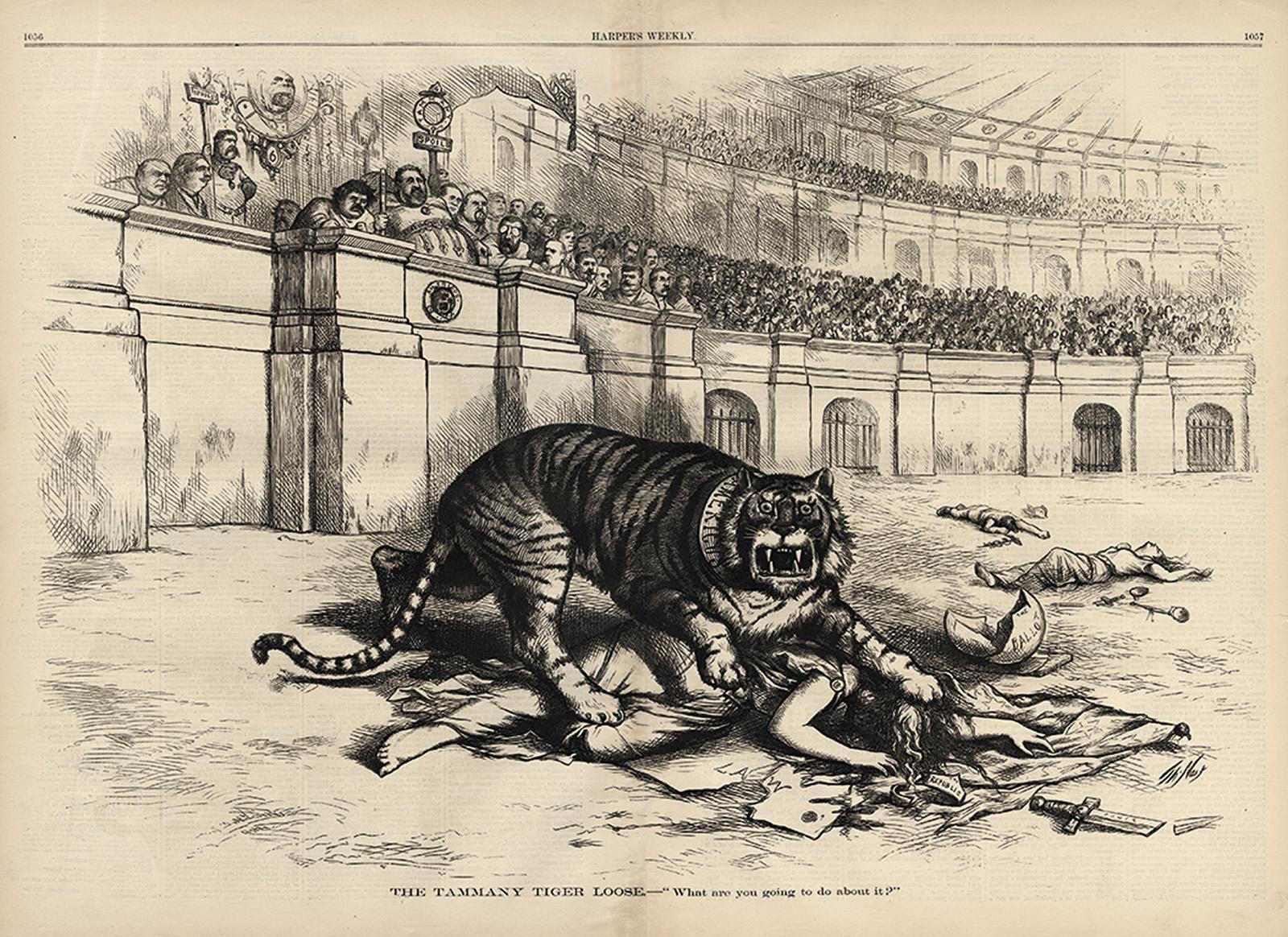
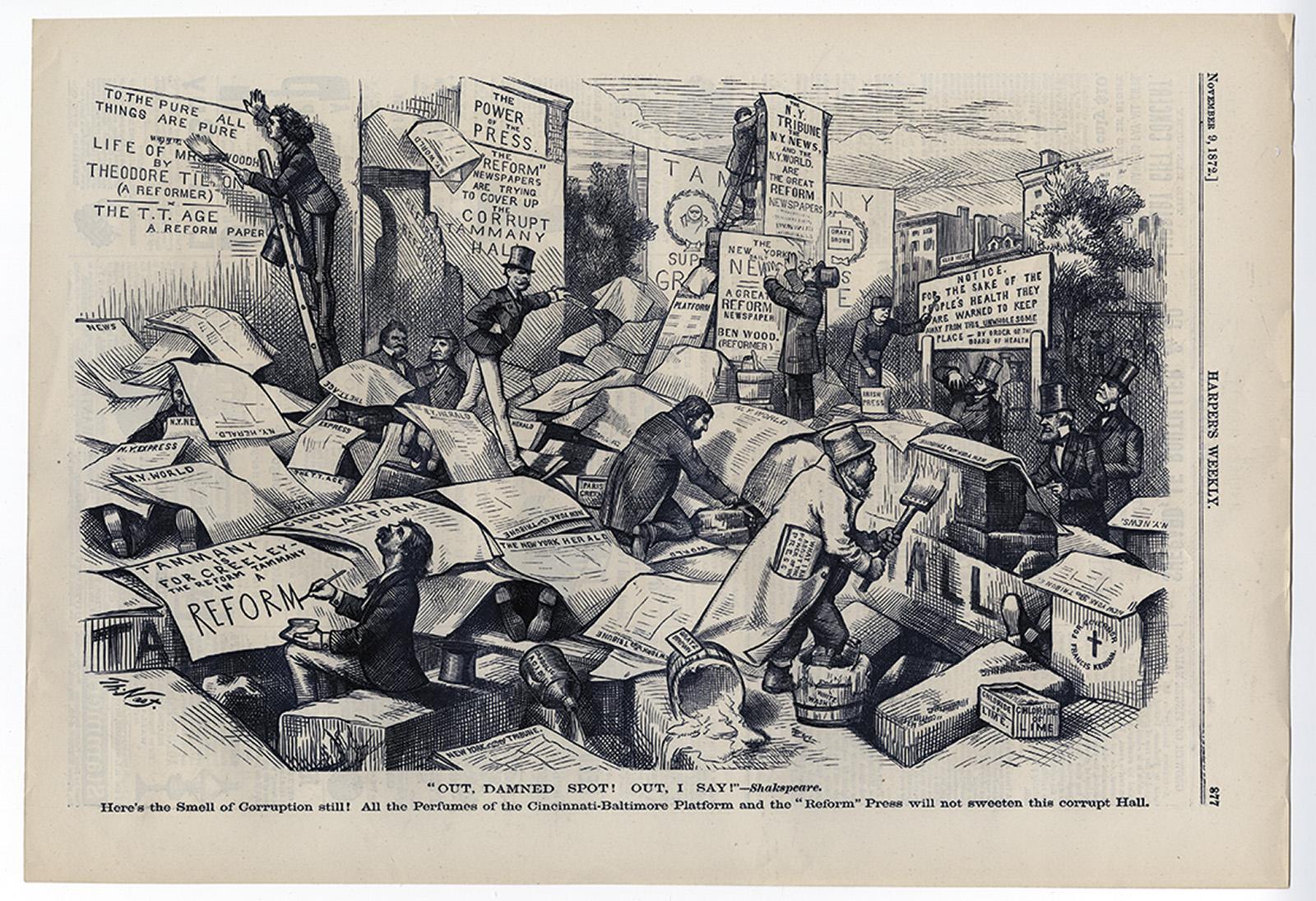
9–69a. Thomas Nast, political cartoon from Harper’s Weekly
9–69b. Thomas Nast, political cartoon from Harper’s Weekly
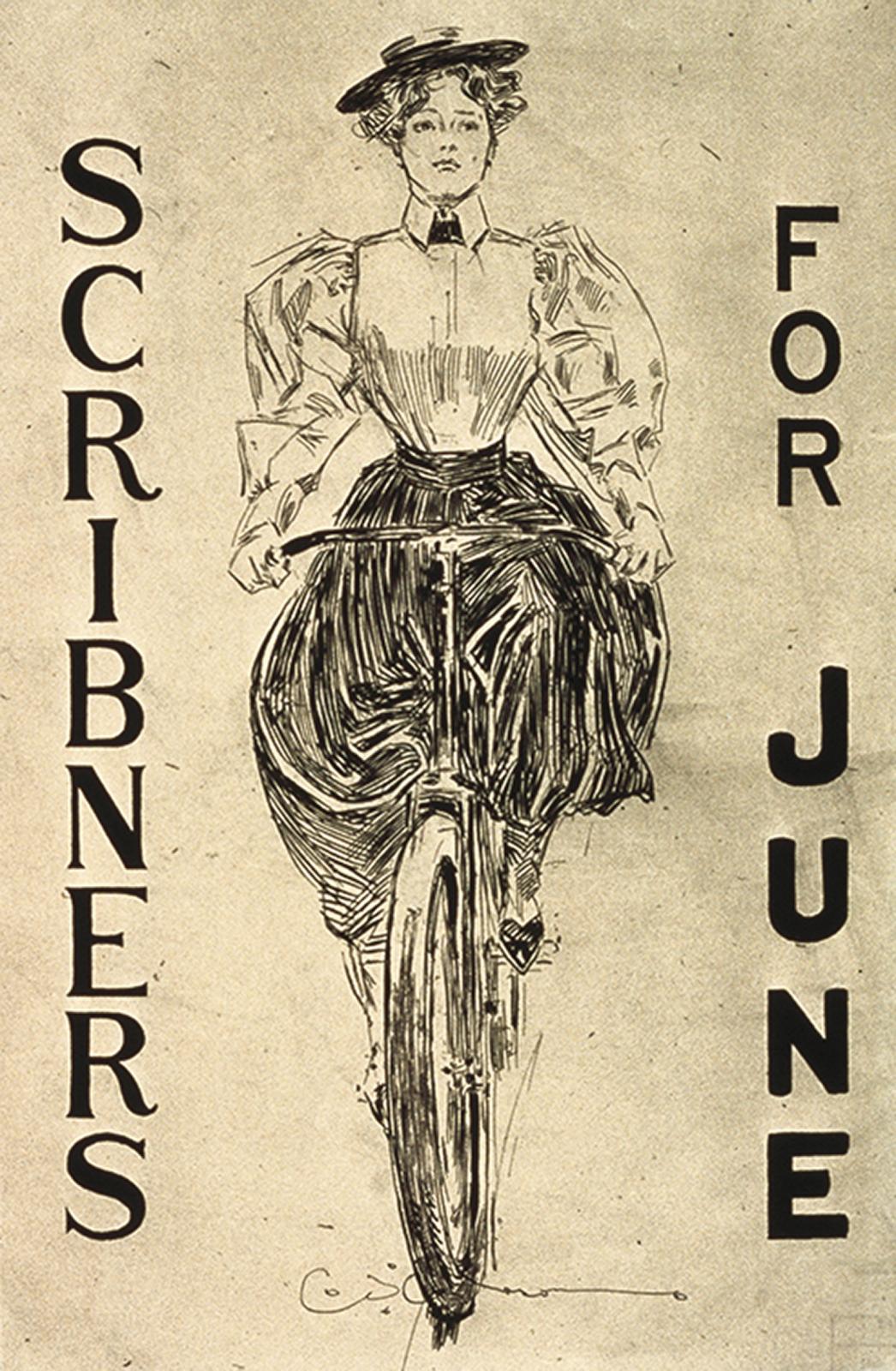
9–70. Charles Dana Gibson, poster for Scribner’s
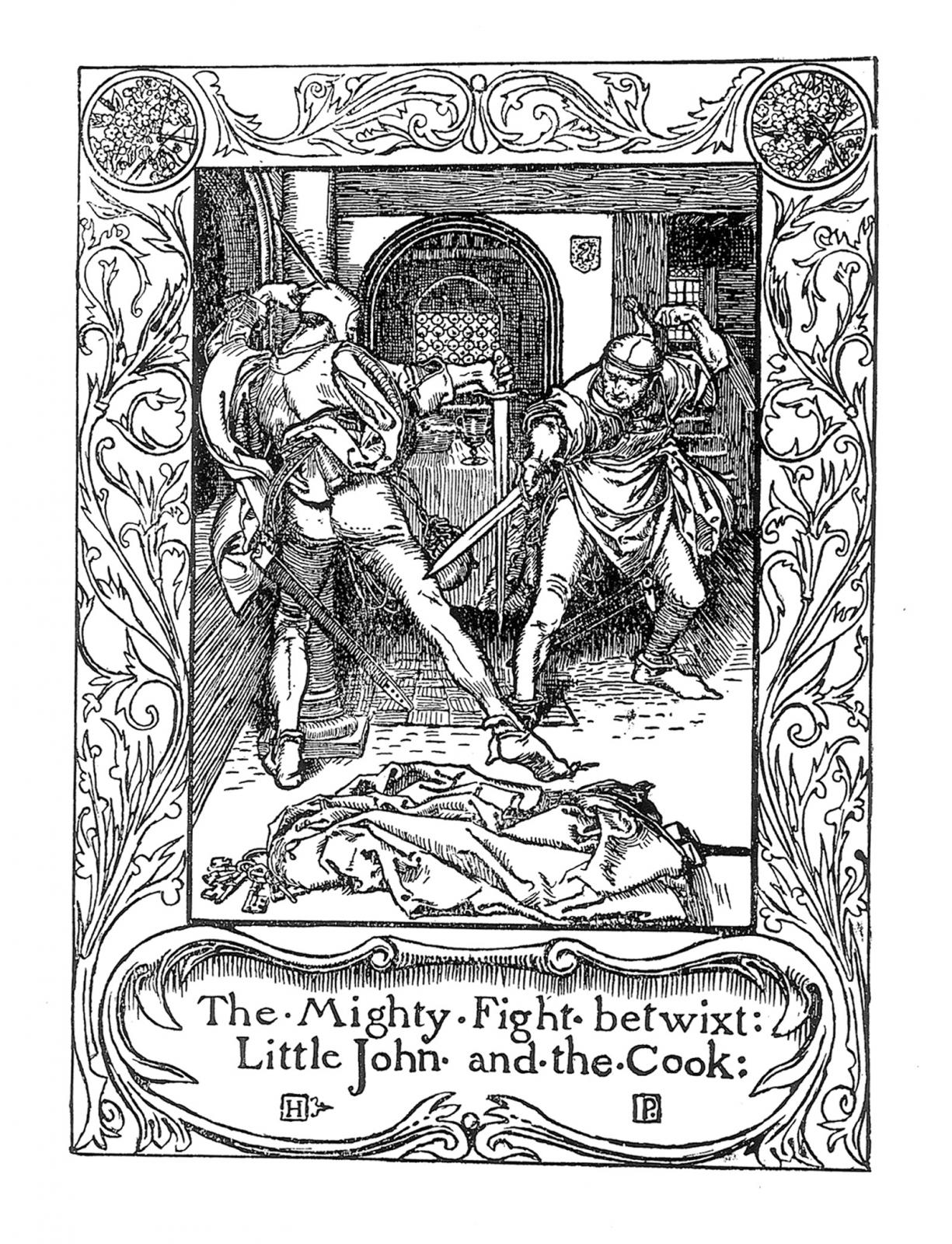
9–71. Howard Pyle, illustration from The Merry Adventures of Robin Hood
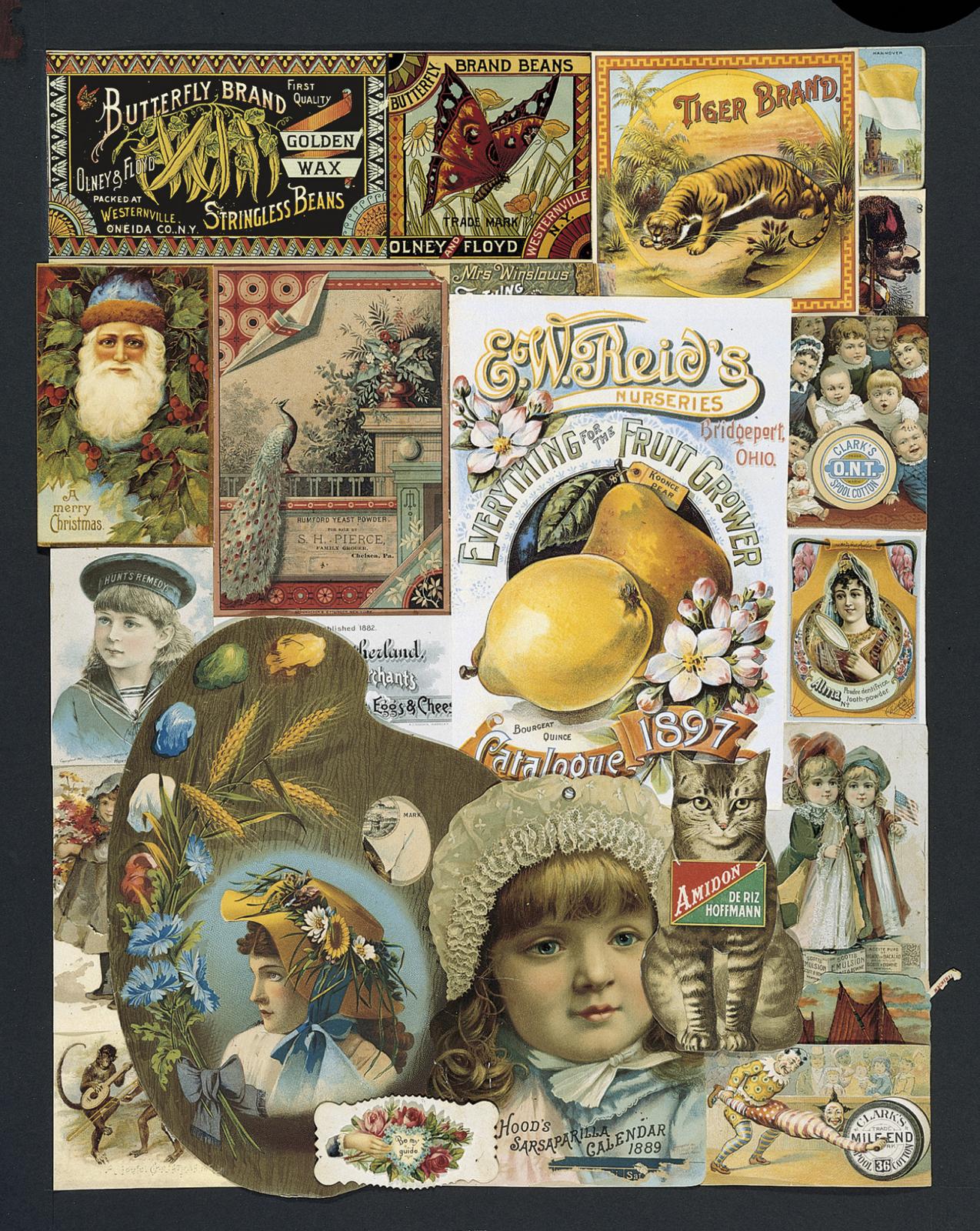
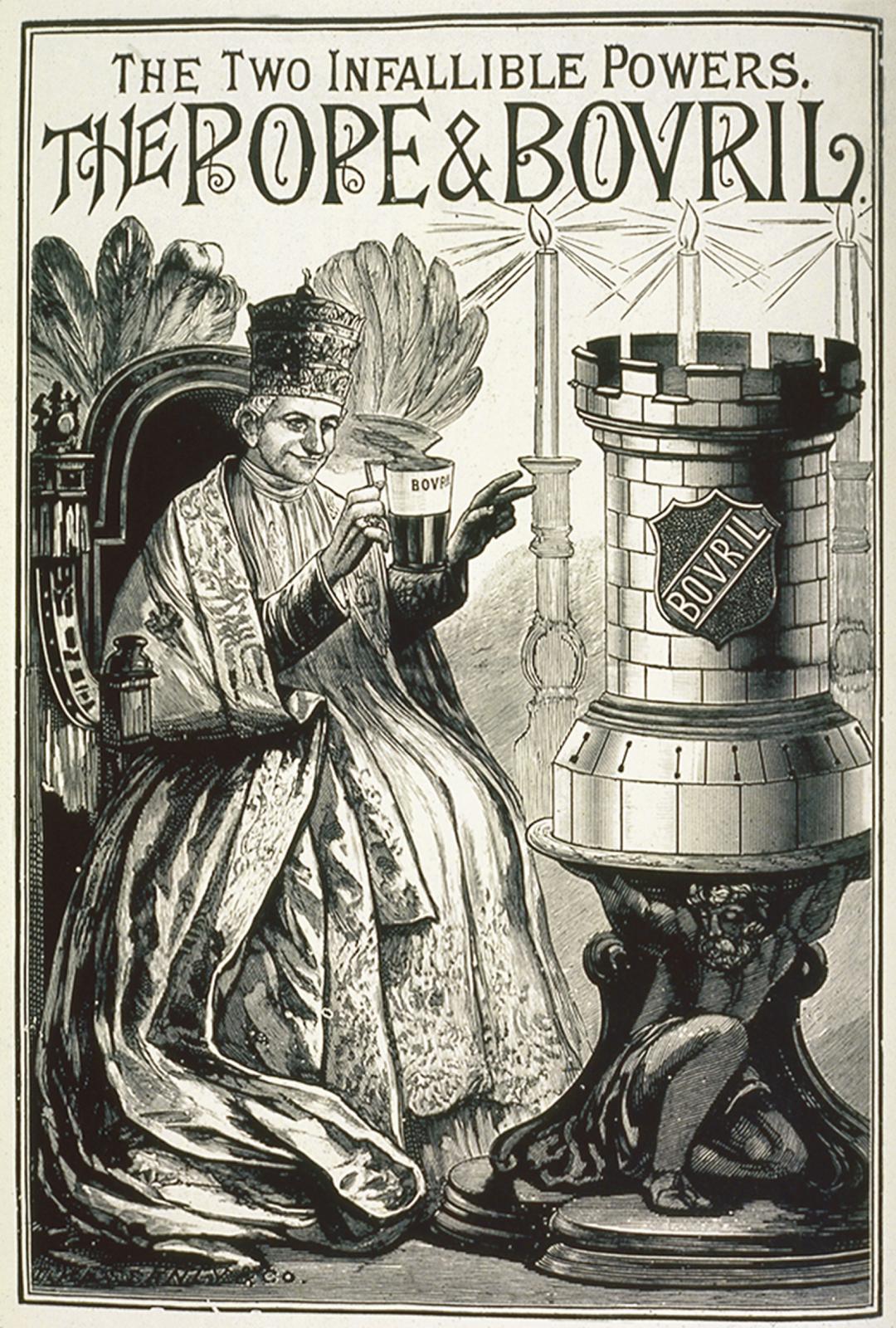
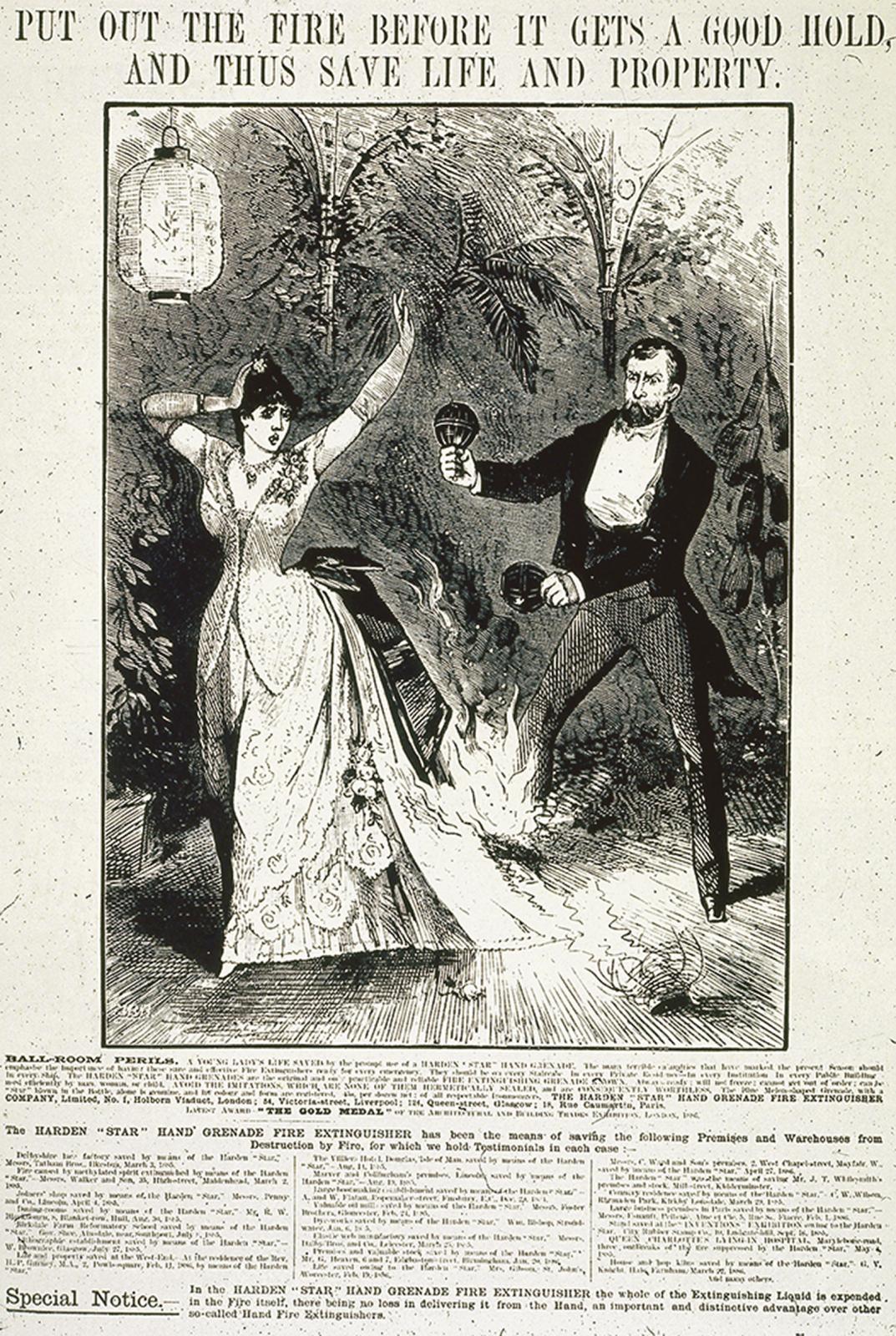
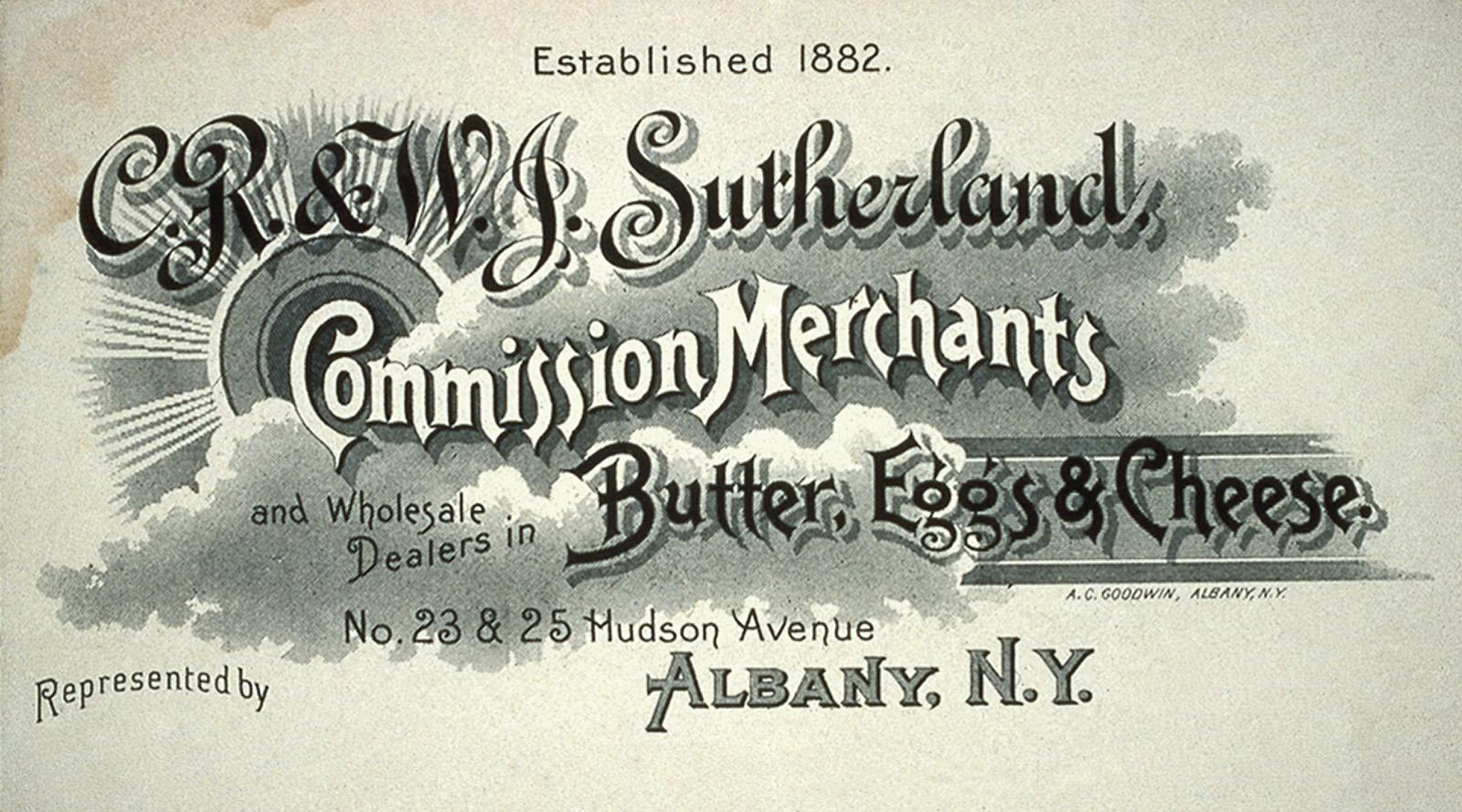
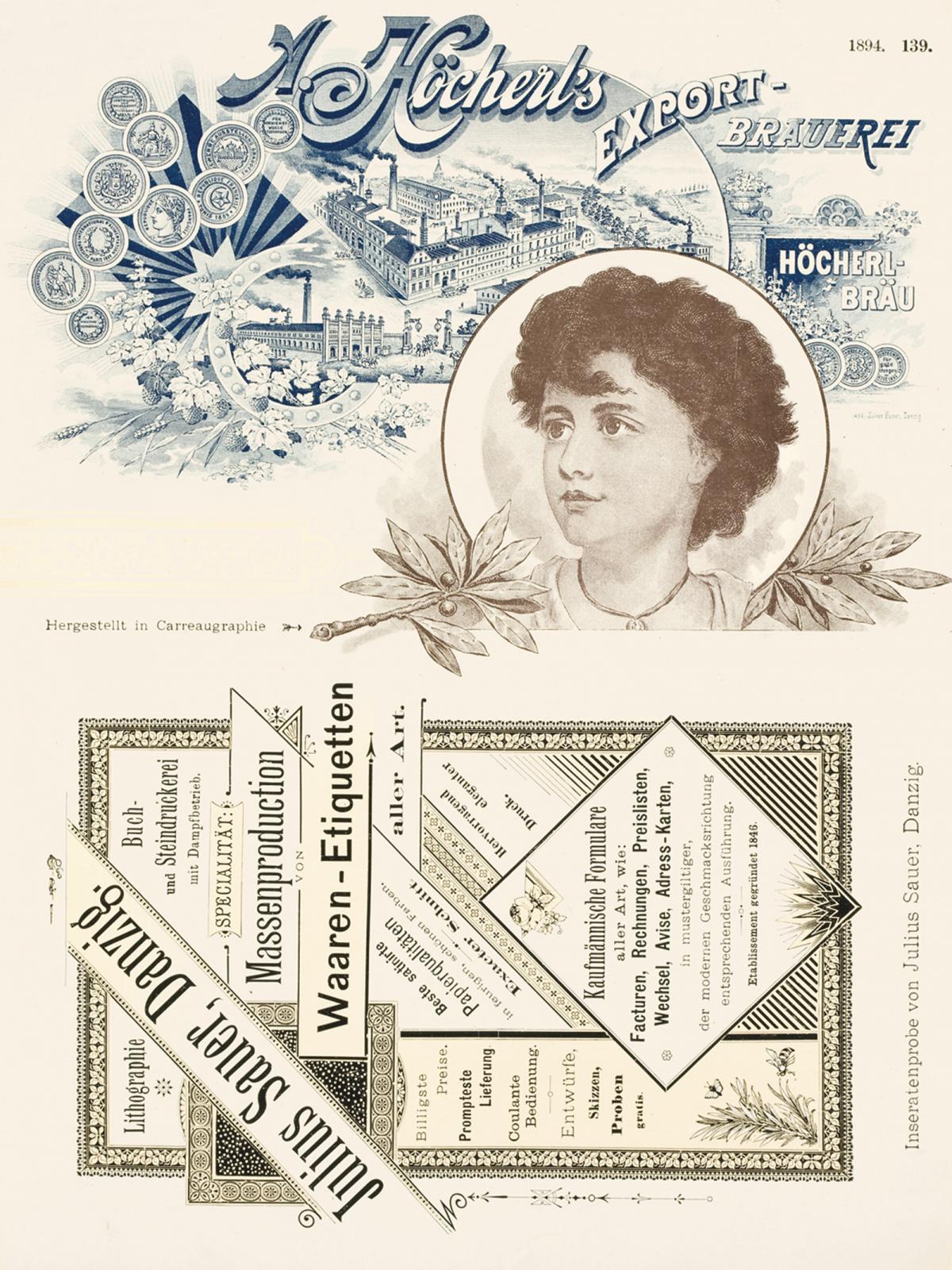
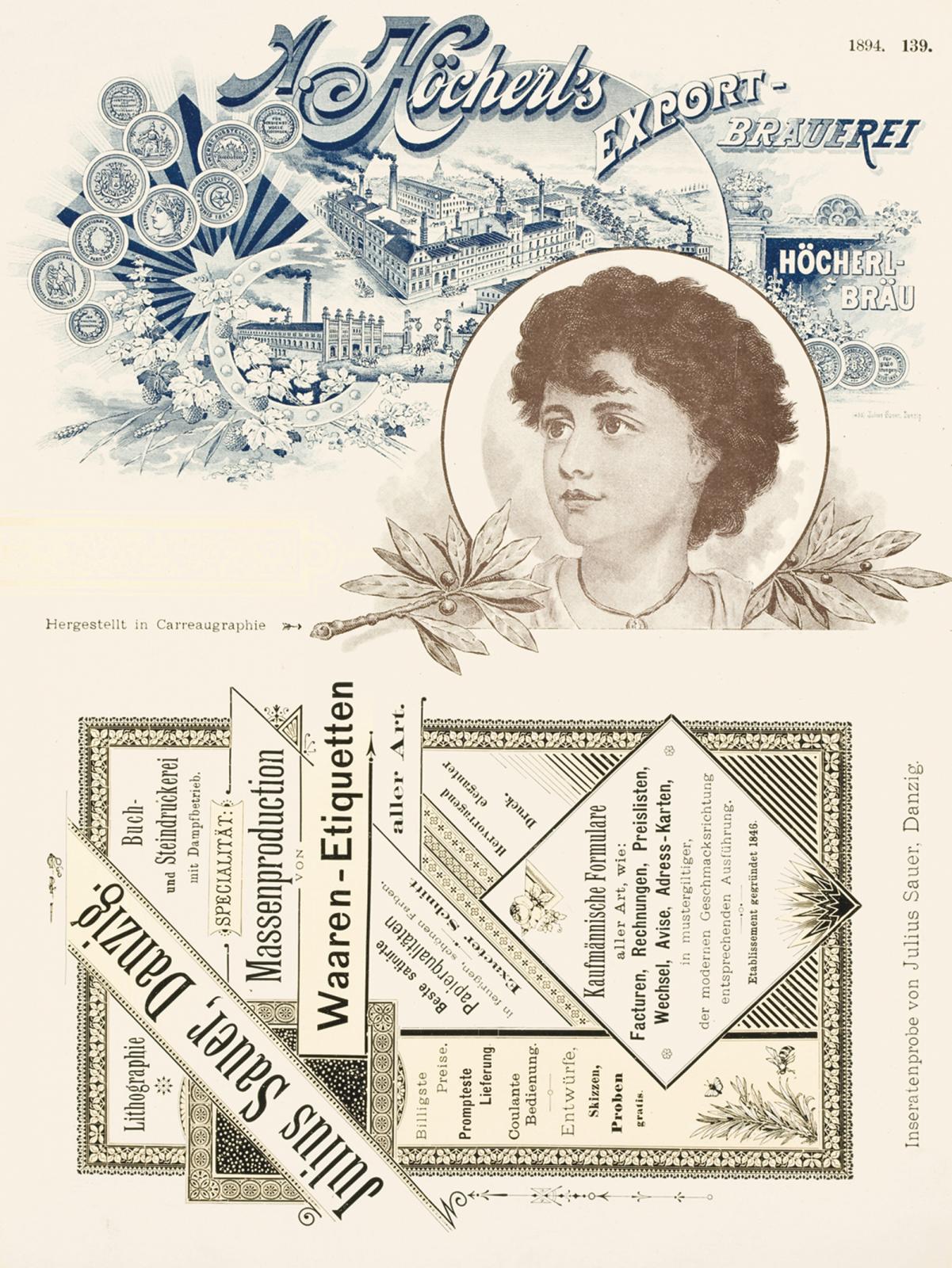
9–72. Victorian advertisements
9–72. Victorian advertisements
9–72. Victorian advertisements
9–72. Victorian advertisements
9–72. Victorian advertisements
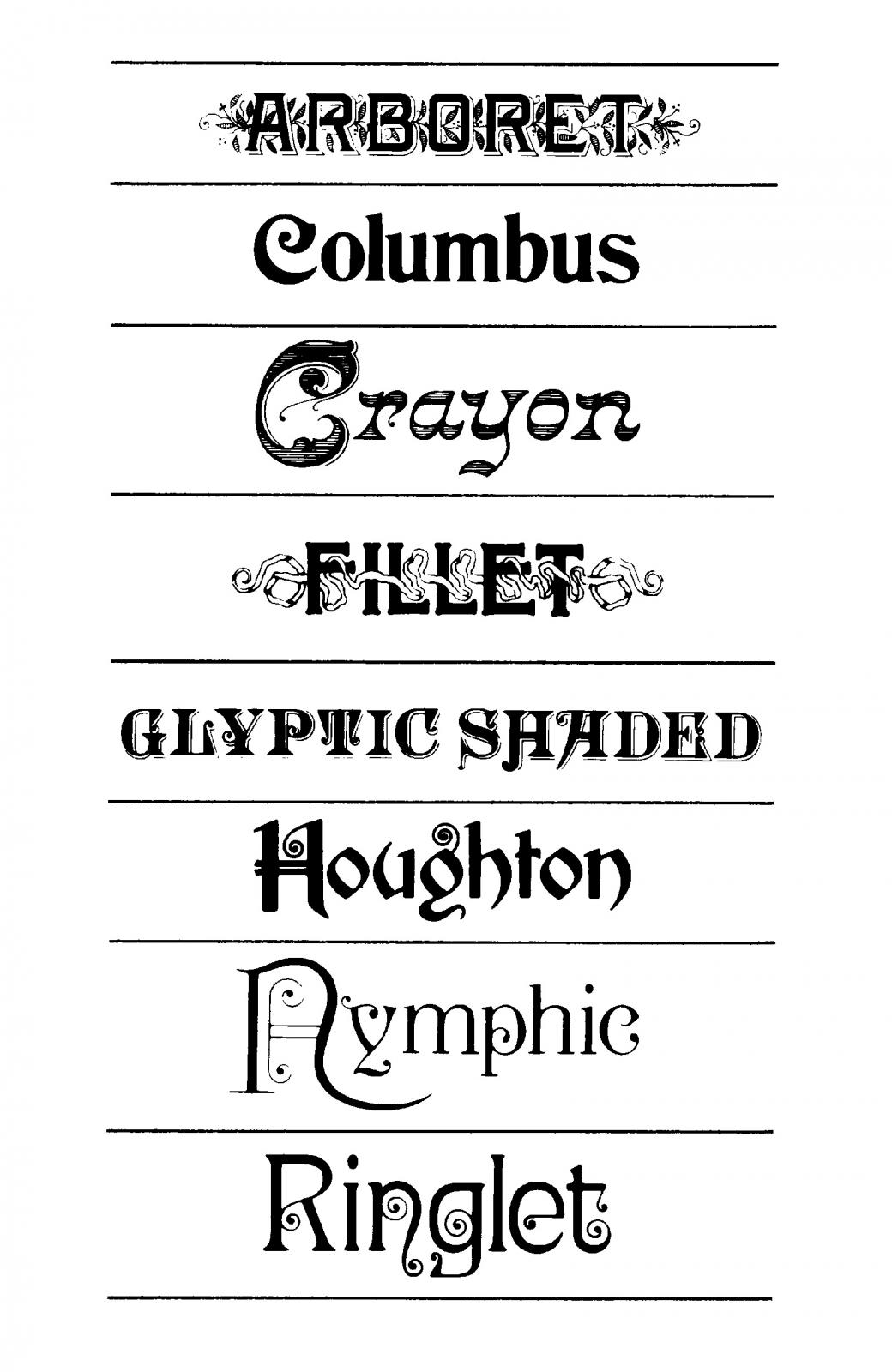
9–73. Herman Ihlenburg, typeface designs.
9–74. John F. Cumming, typeface designs.
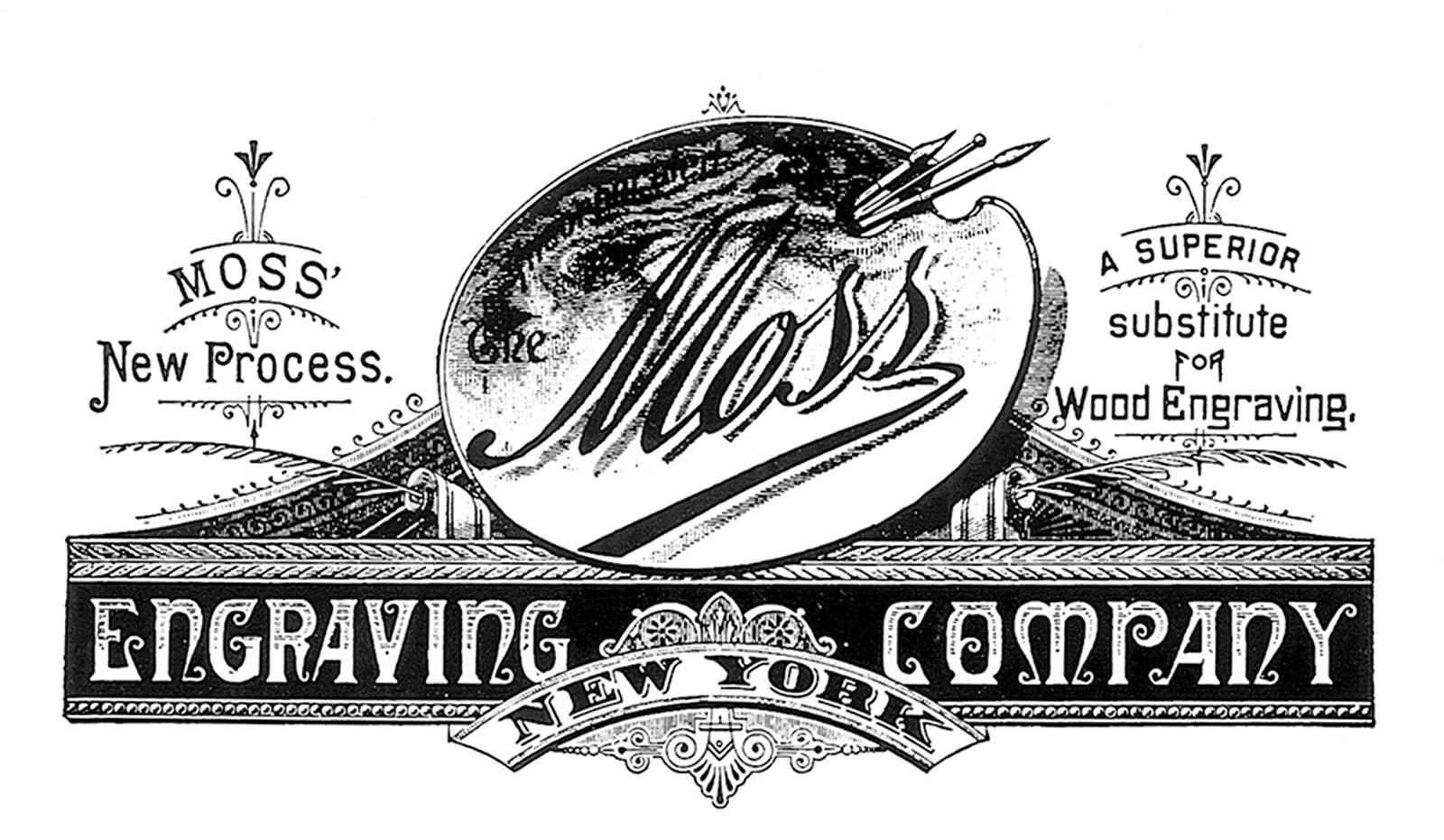
9–75. Trademark for Moss Engraving Company