MHOGD
writing
Mark Sanders
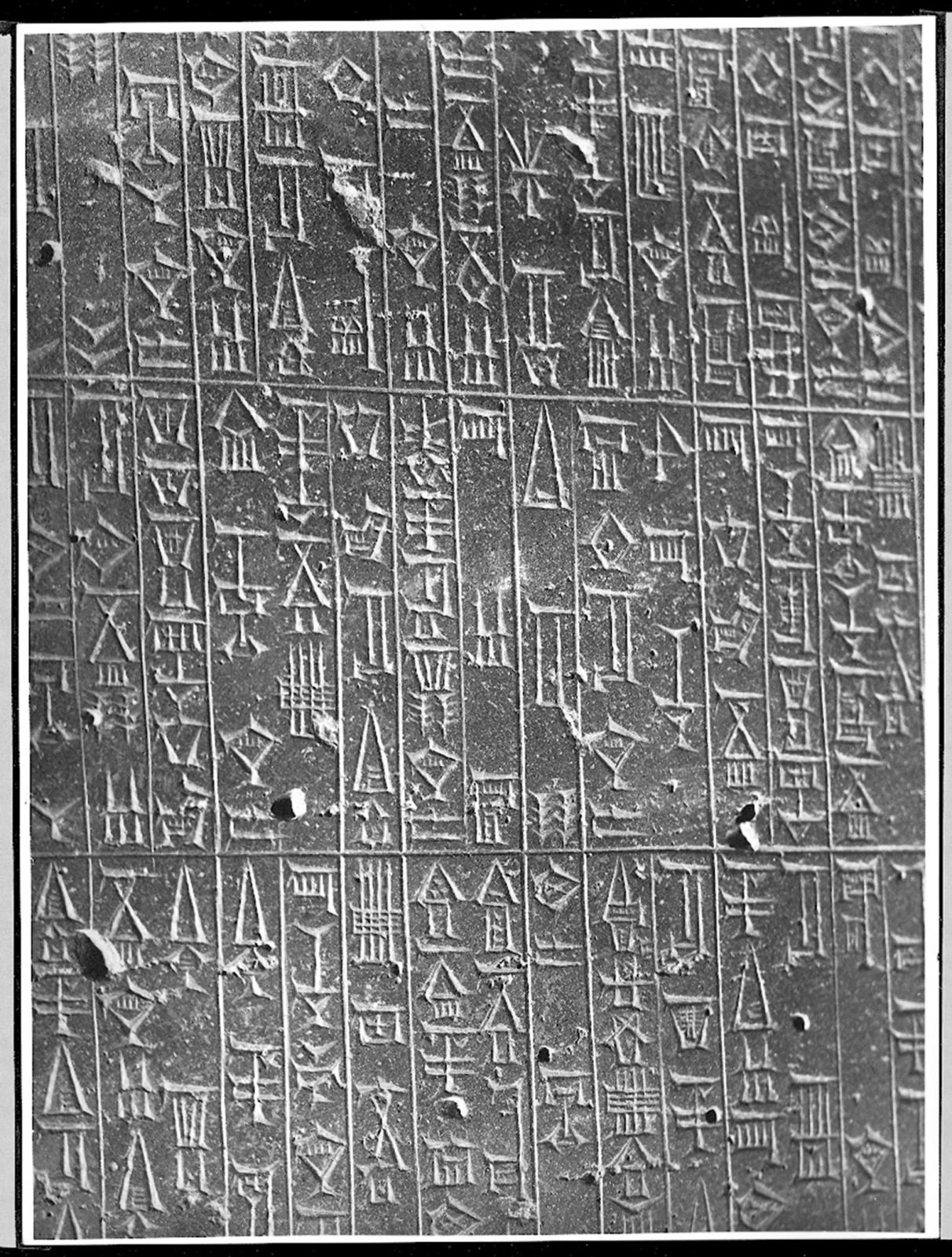
1–17. Detail of the Code of Hammurabi
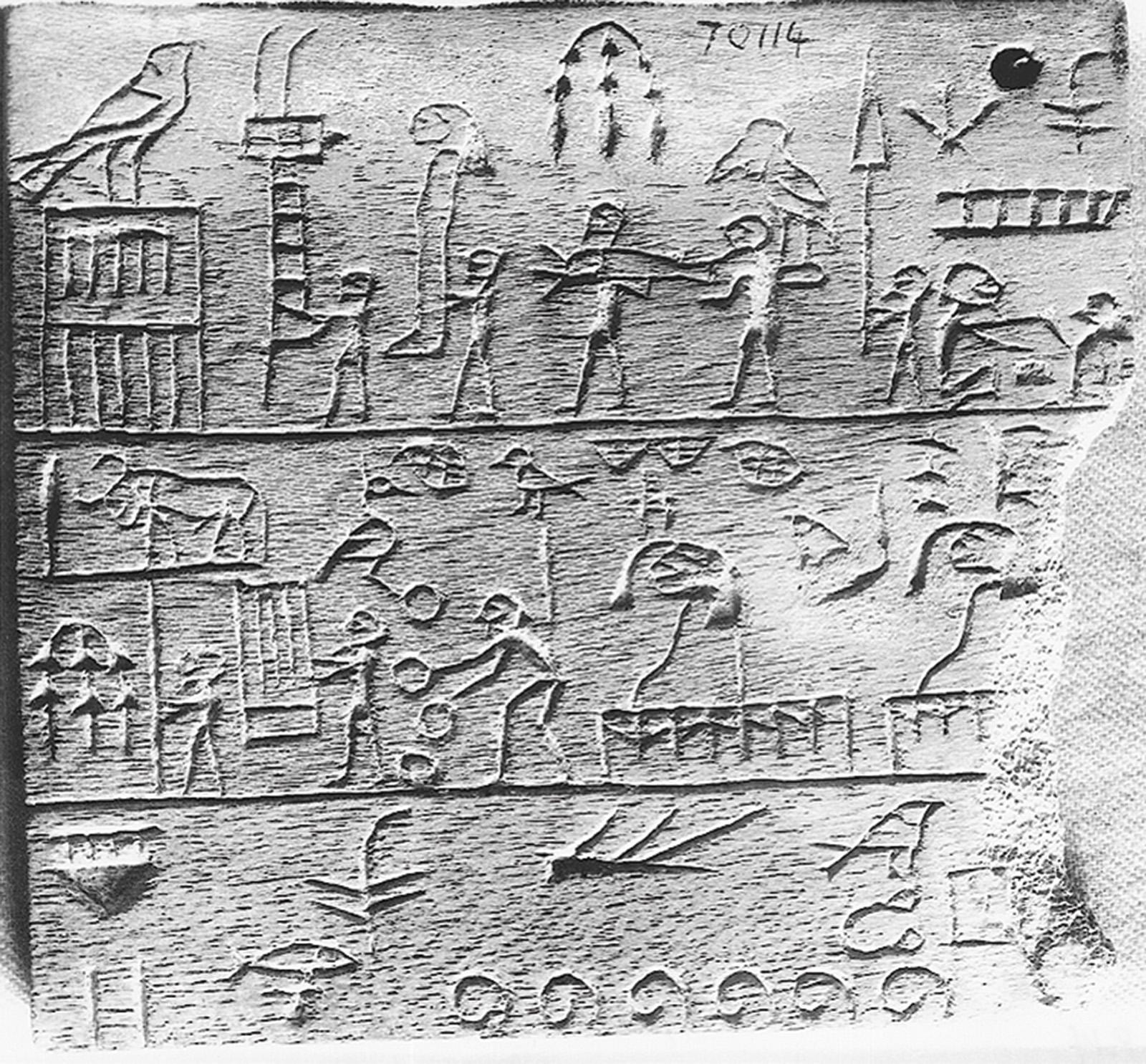
1–21. Ivory tablet of King Zet, First Dynasty.
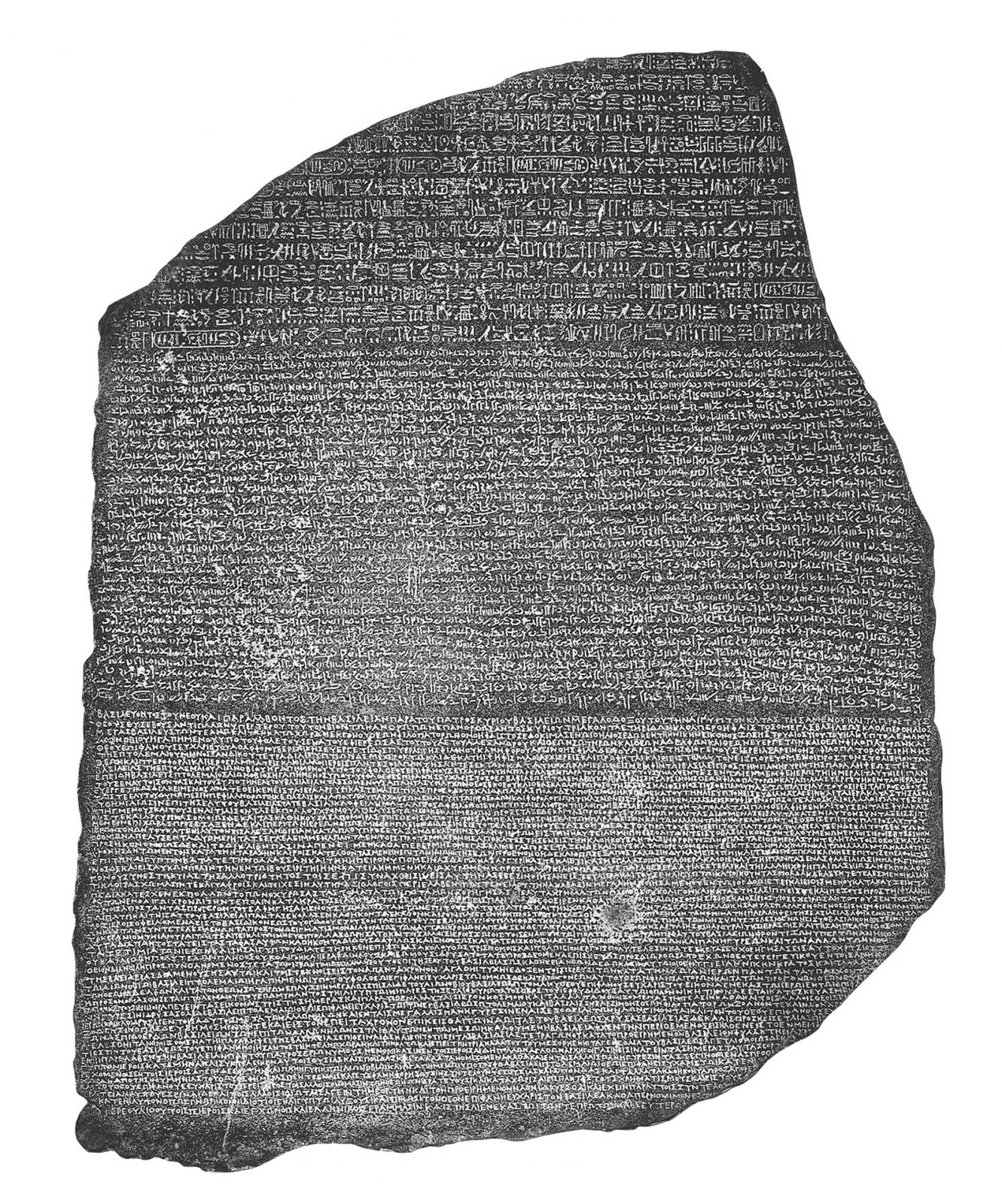
1–22. The Rosetta Stone
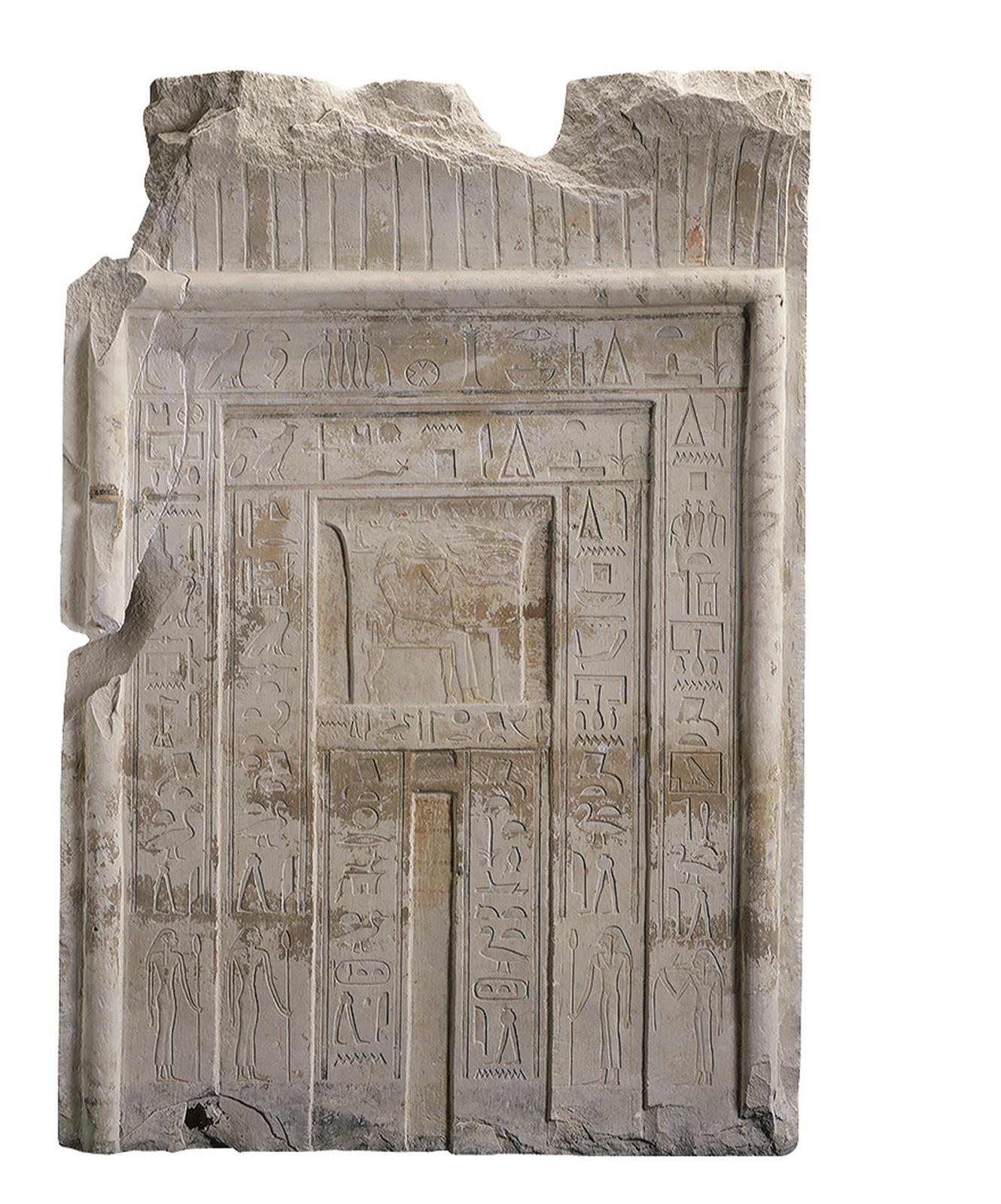
1–26. False door of Sitinteti, Old Kingdom, Sixth Dynasty
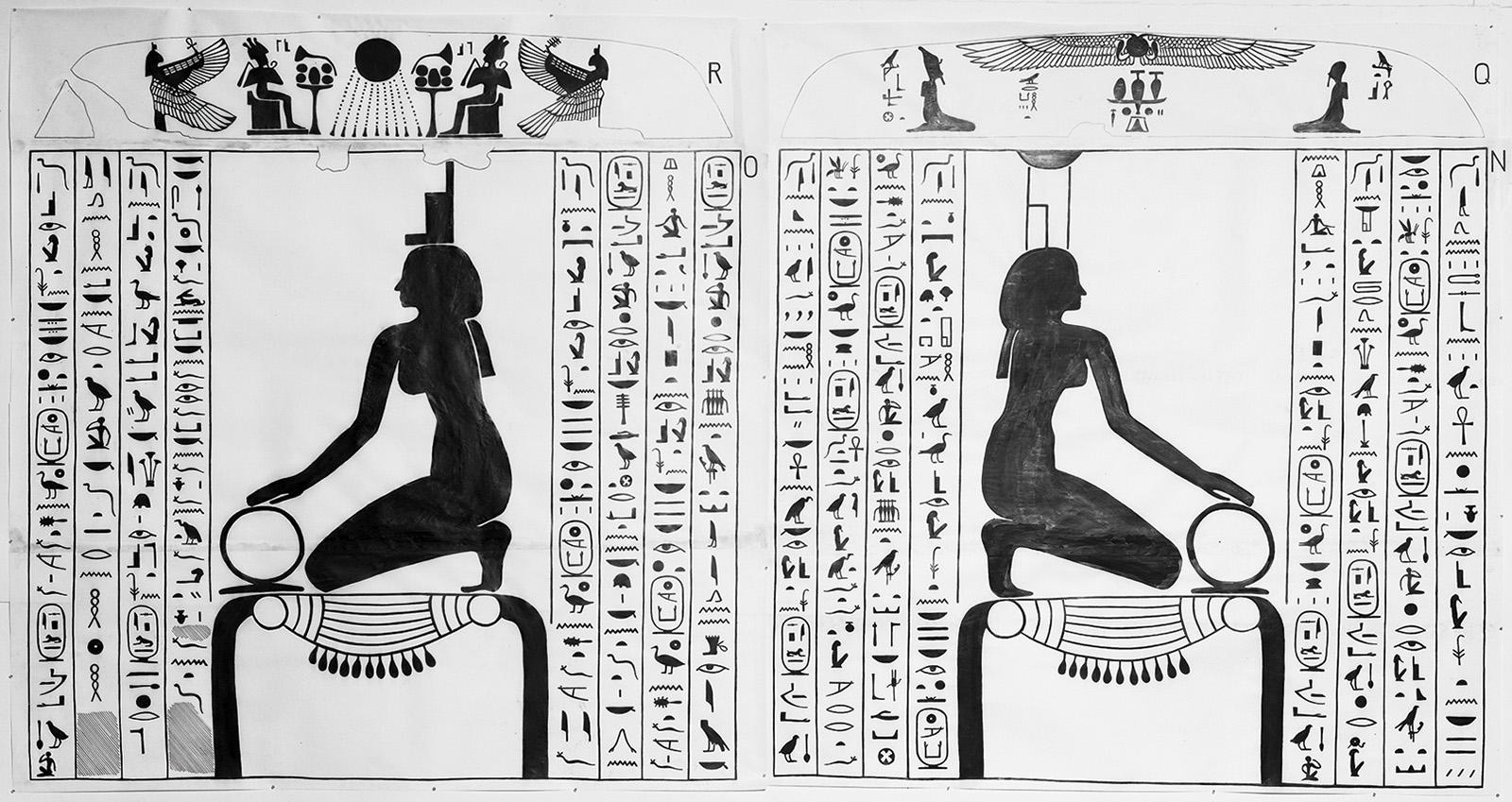
1–27. Drawing of the Sarcophagus of Aspalta. King of Nubia (Sudan)
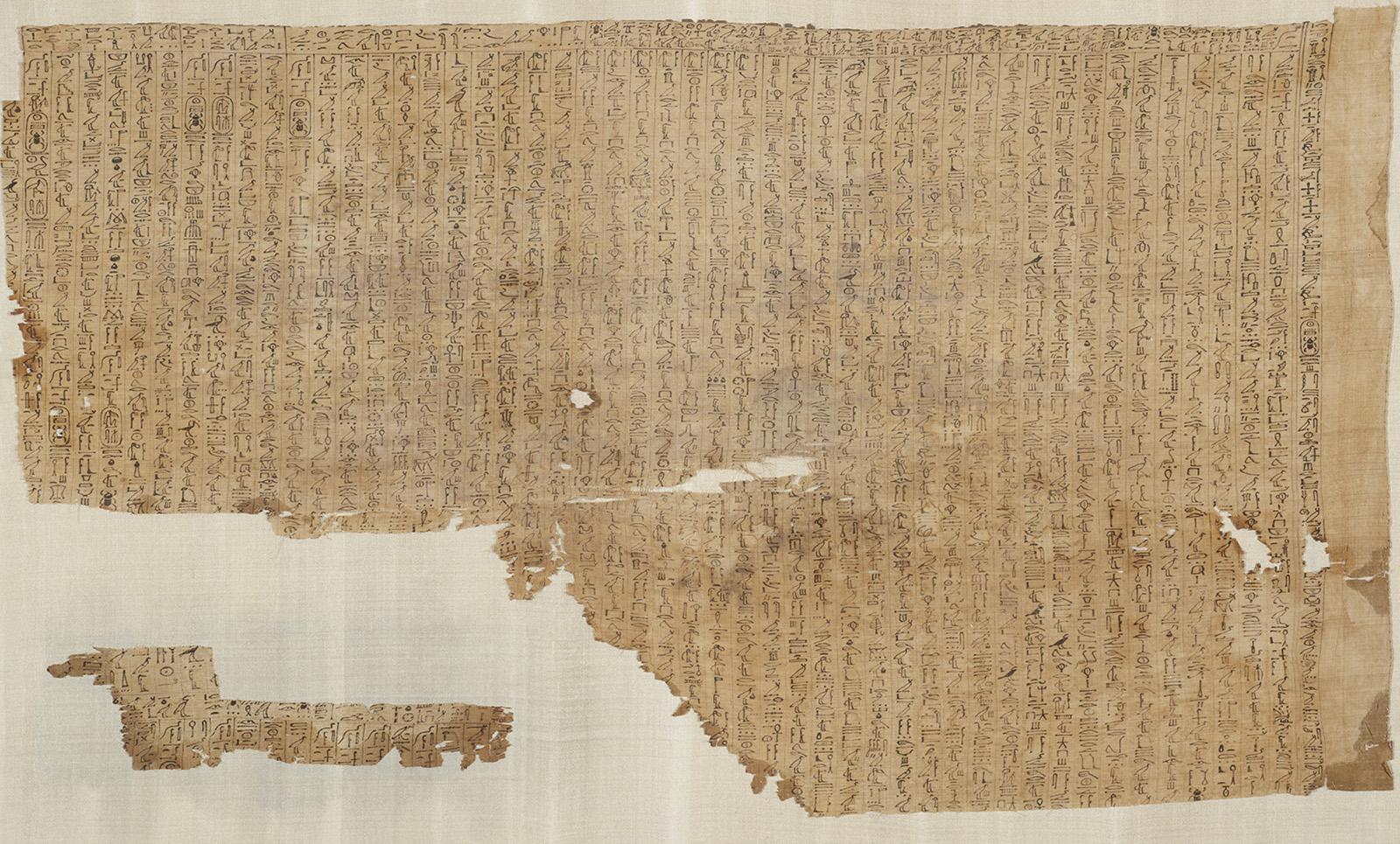
1–29. Mummy shroud fragment of Tuthmosis III
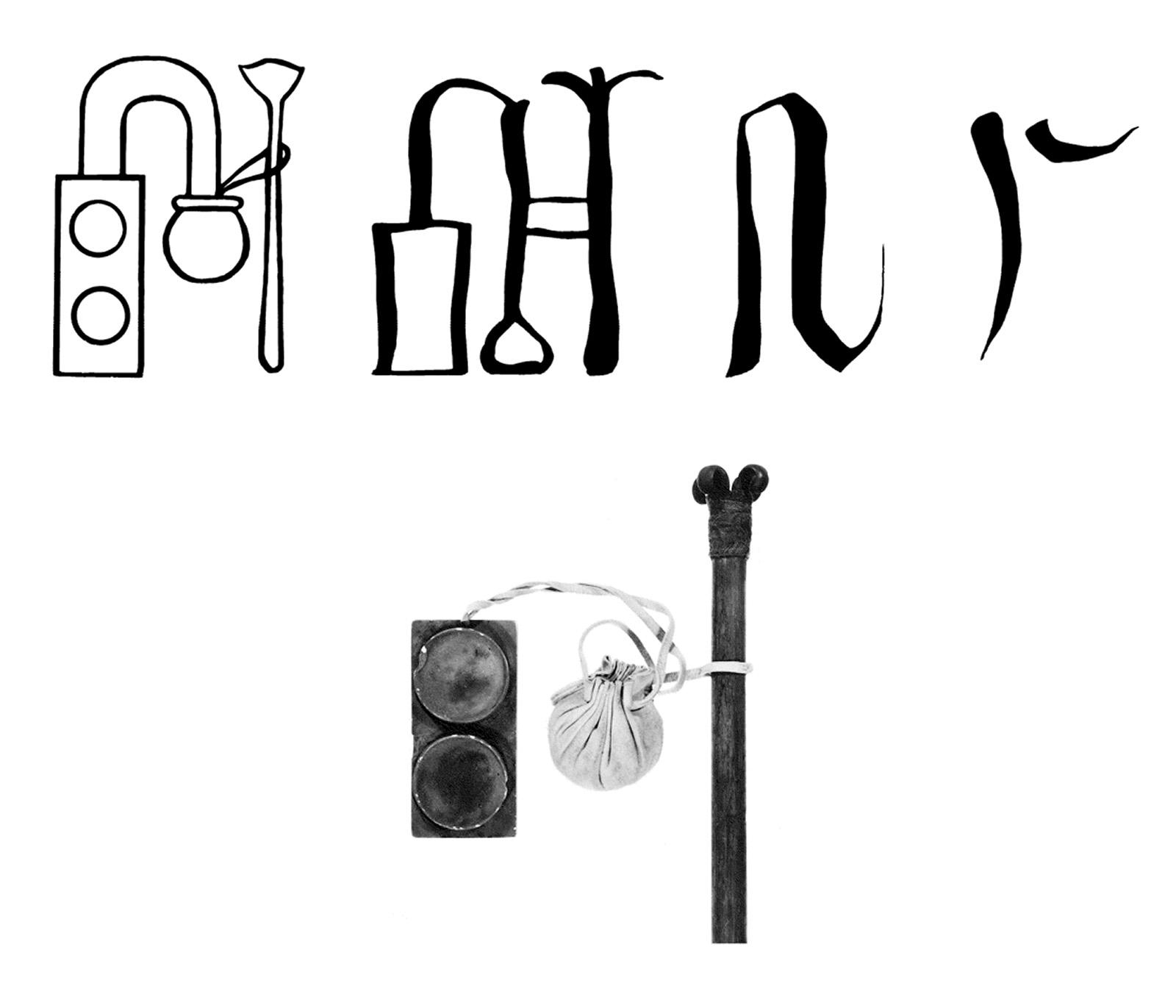
1–30. The hieroglyph for scribe depicted the Old Kingdom palette, the drawstring sack for dried ink cakes, and a reed brush holder.
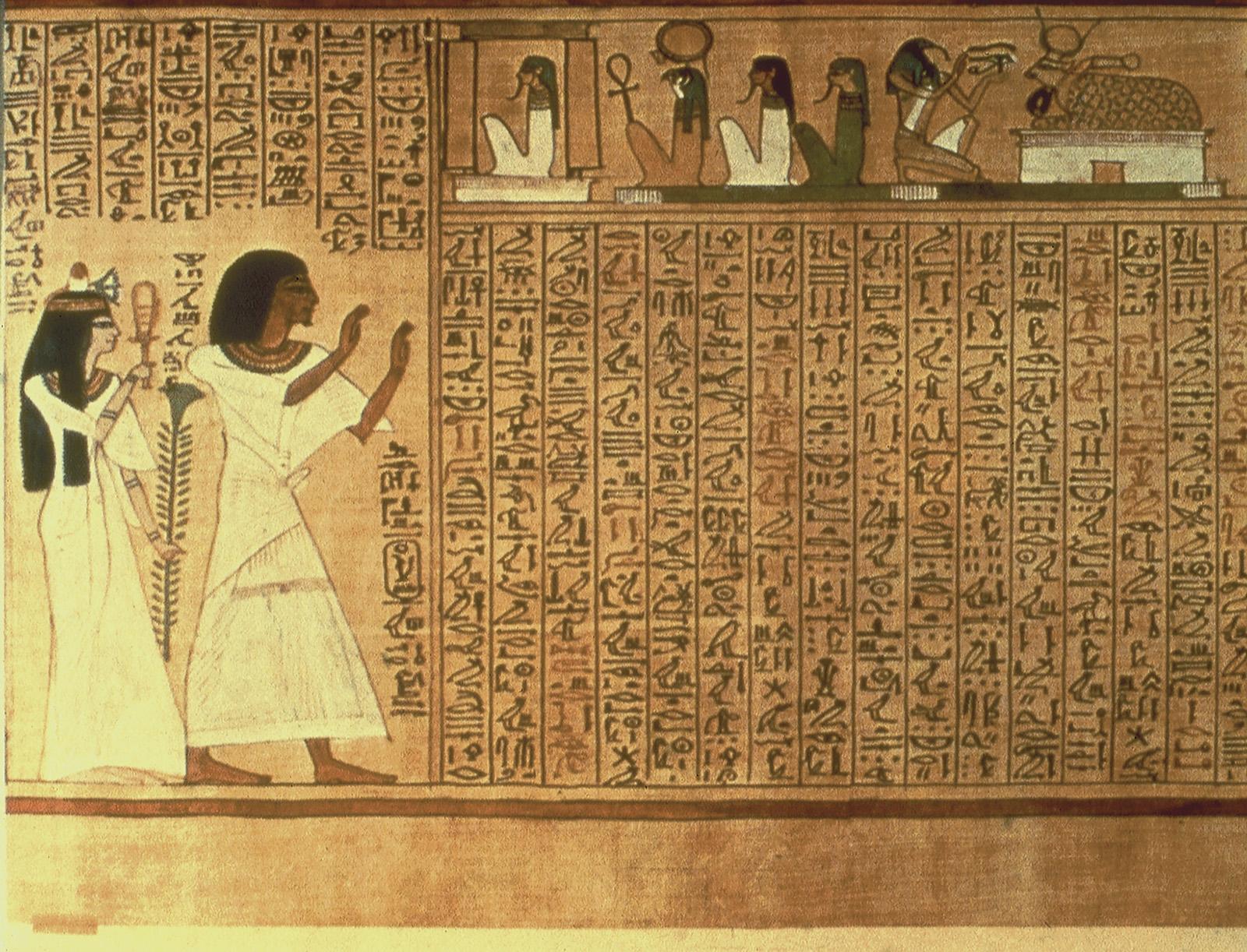
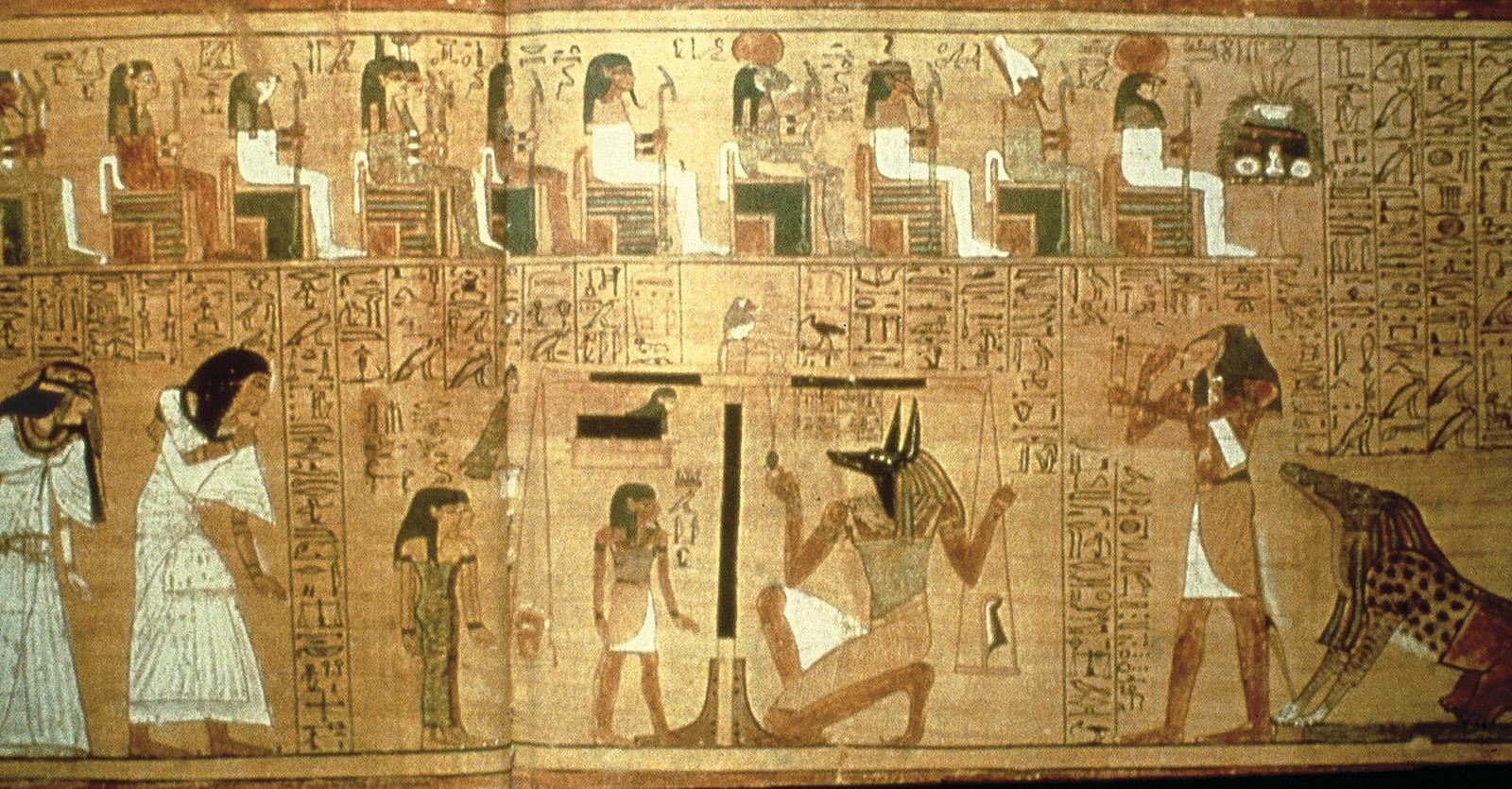
1–31. Detail from the Papyrus of Hunefer
1–32. Vignette from the Papyrus of Ani
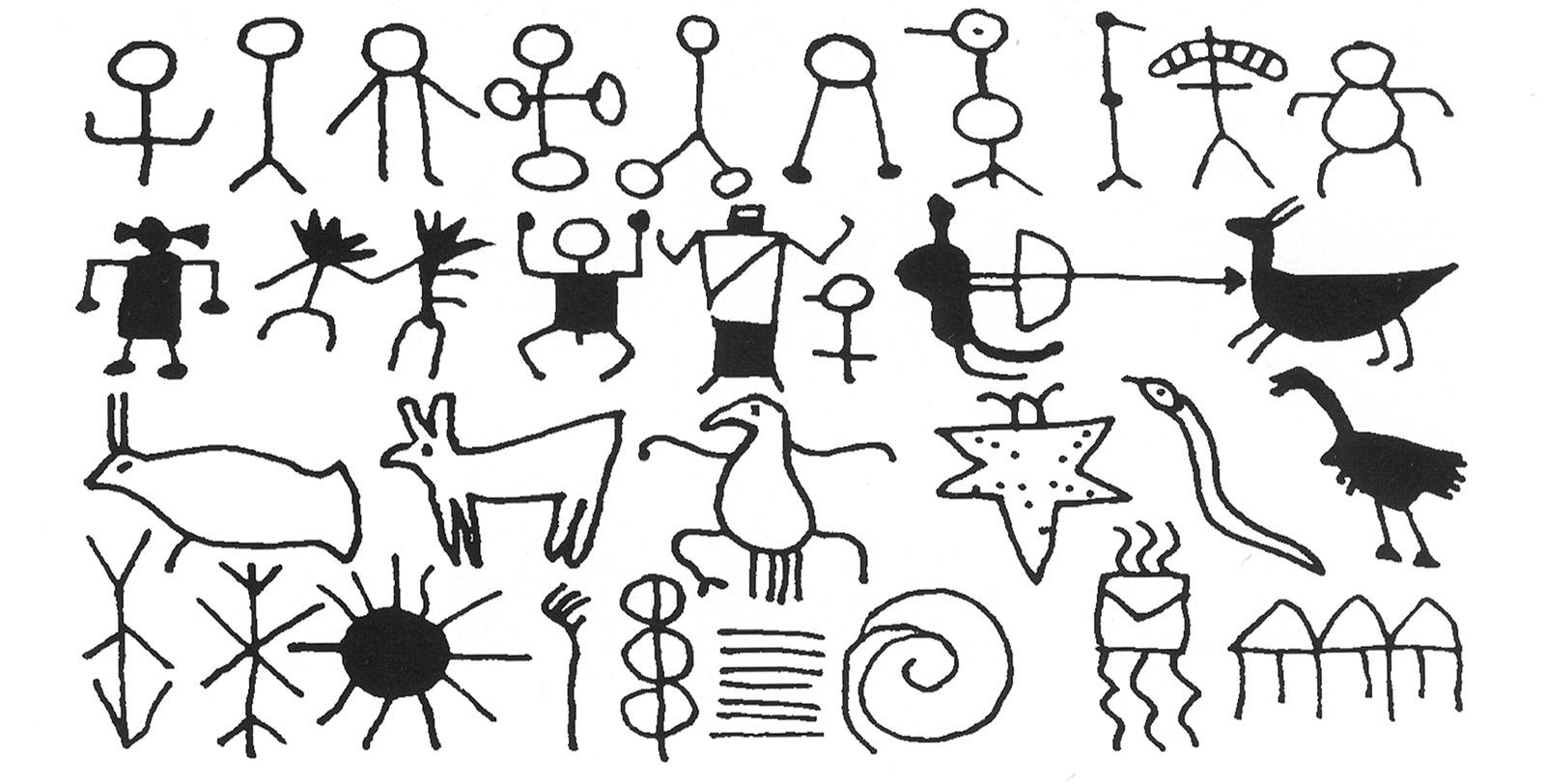
1–2. Found carved and sometimes painted on rocks in the western United States
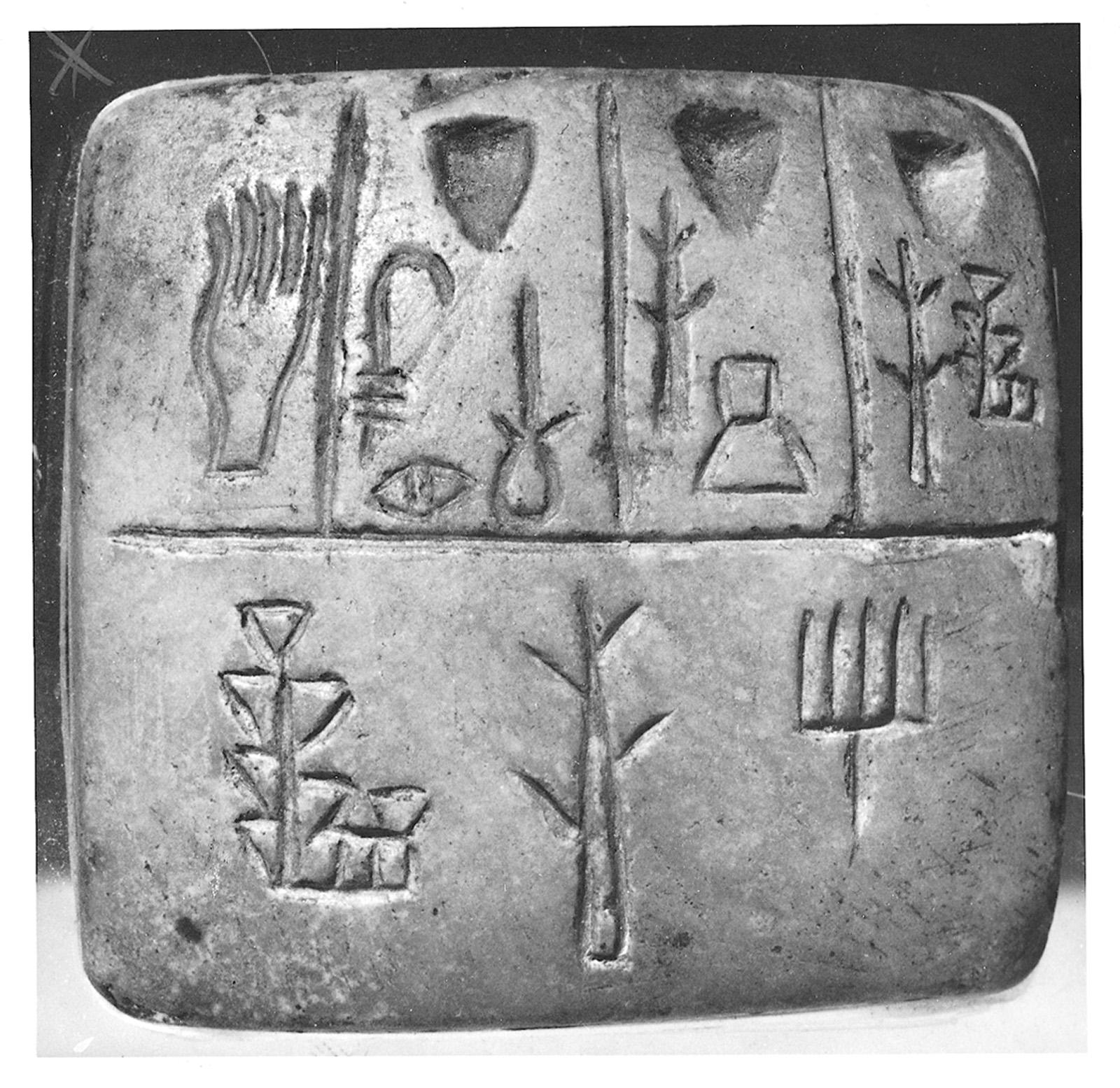
1–5. Early Sumerian proto-cuneiform using a mnemonic or ideographic writing system where signs resemble concrete objects, pictographic tablet
24–1. Susan Kare, screen fonts for the Macintosh computer
24–7. Zuzana Licko, digital typefaces
admin
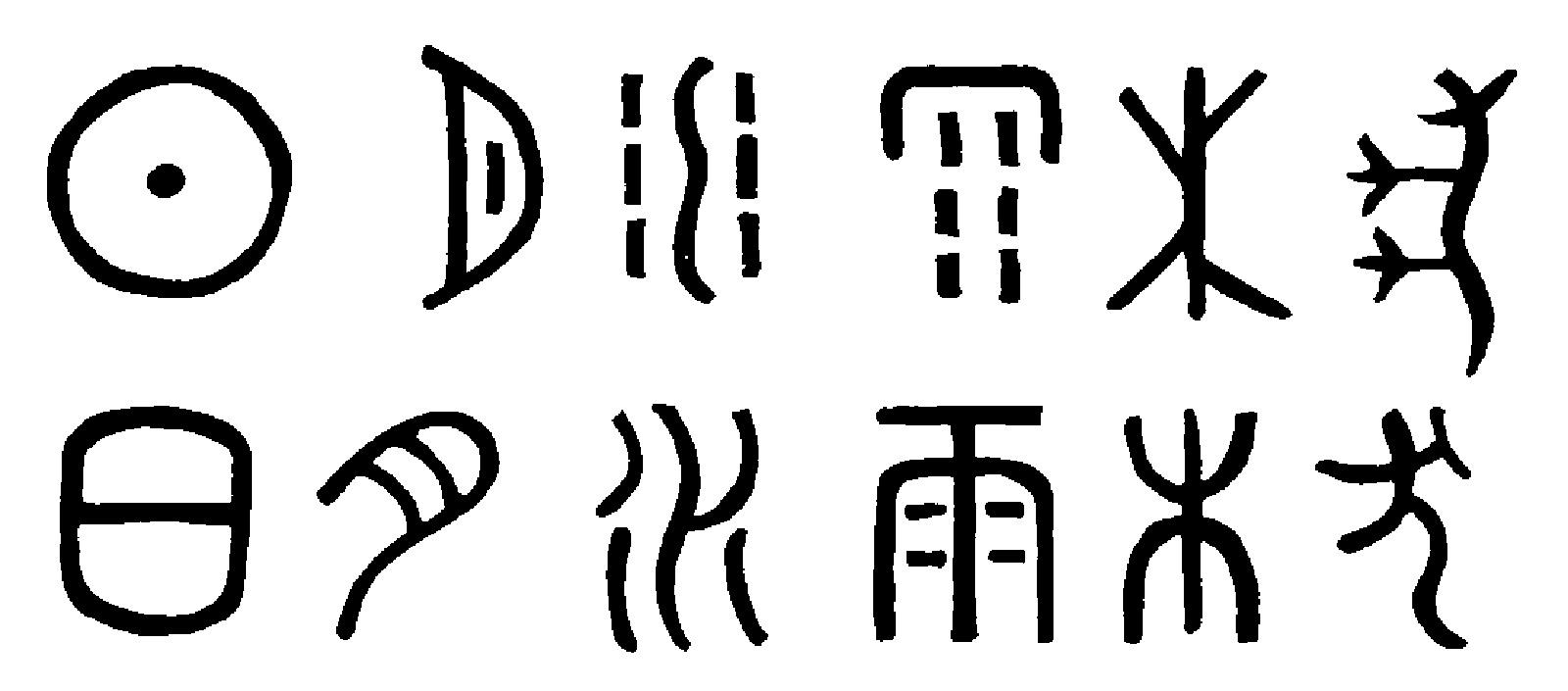
3–1. The top row of pictographs are chiaku-wen, or bone-and-shell script, attributed to the legendary Cangjie.
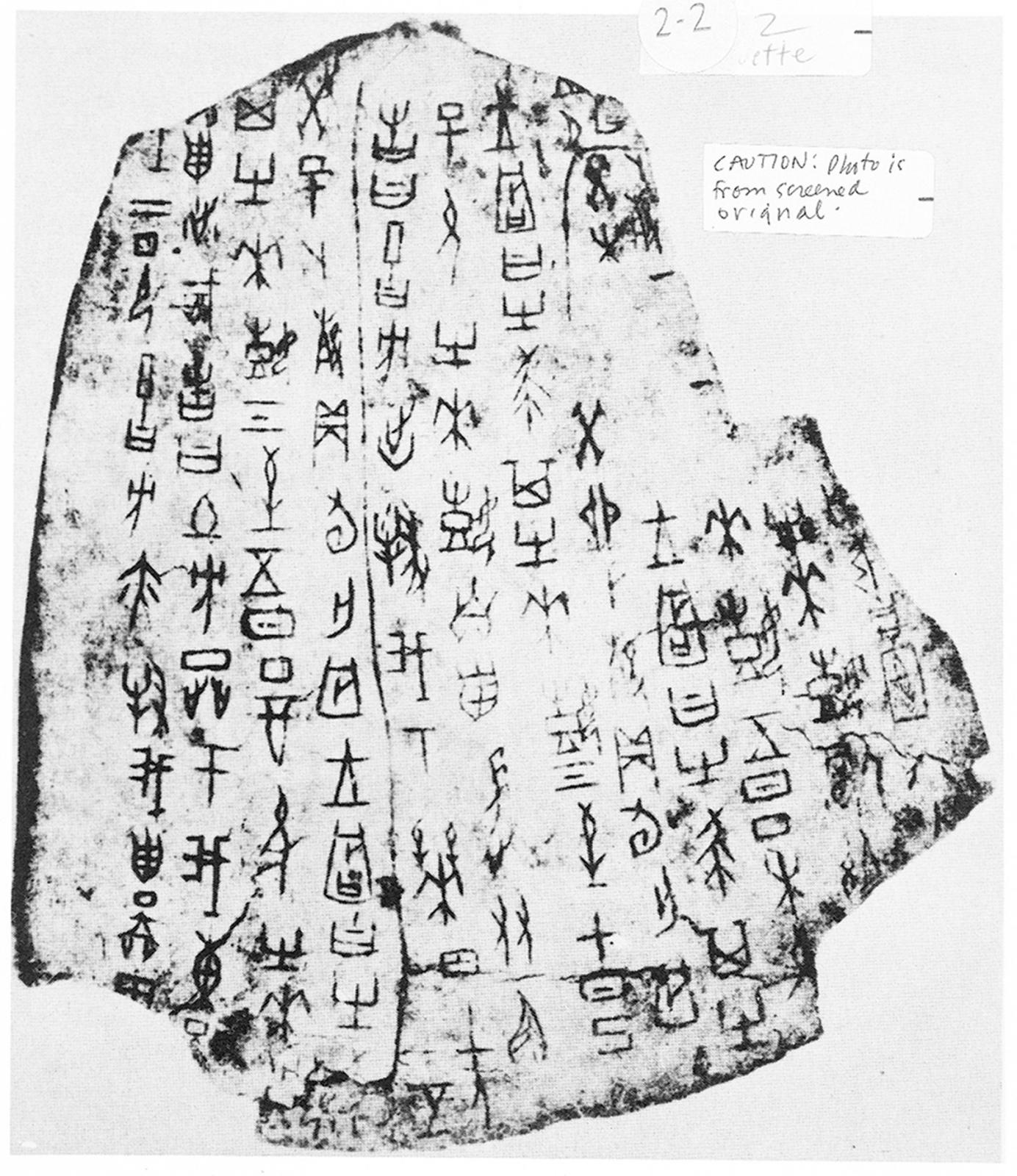
3–2. Oracle bone inscribed with chiaku-wen, or bone-and-shell script
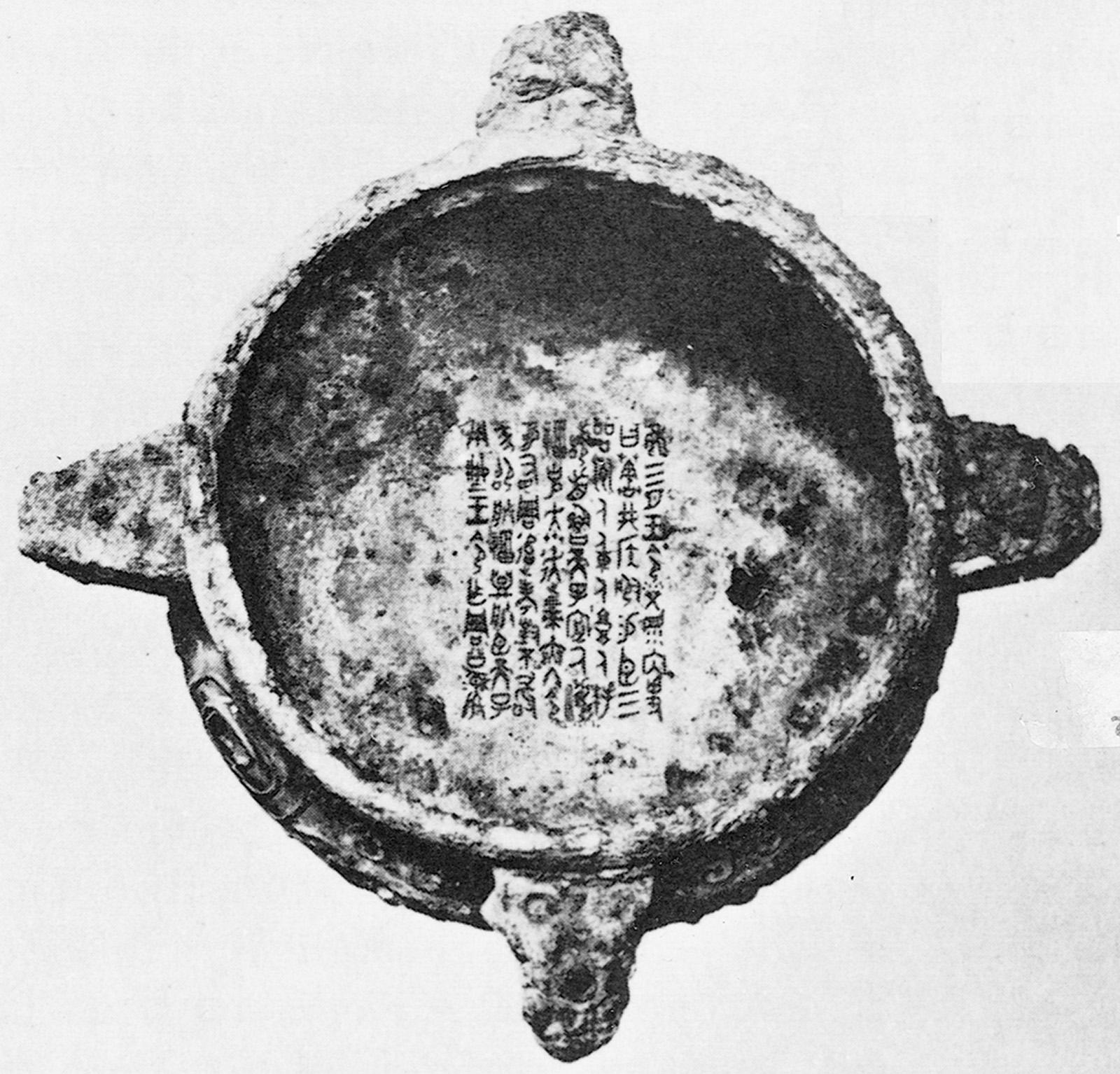
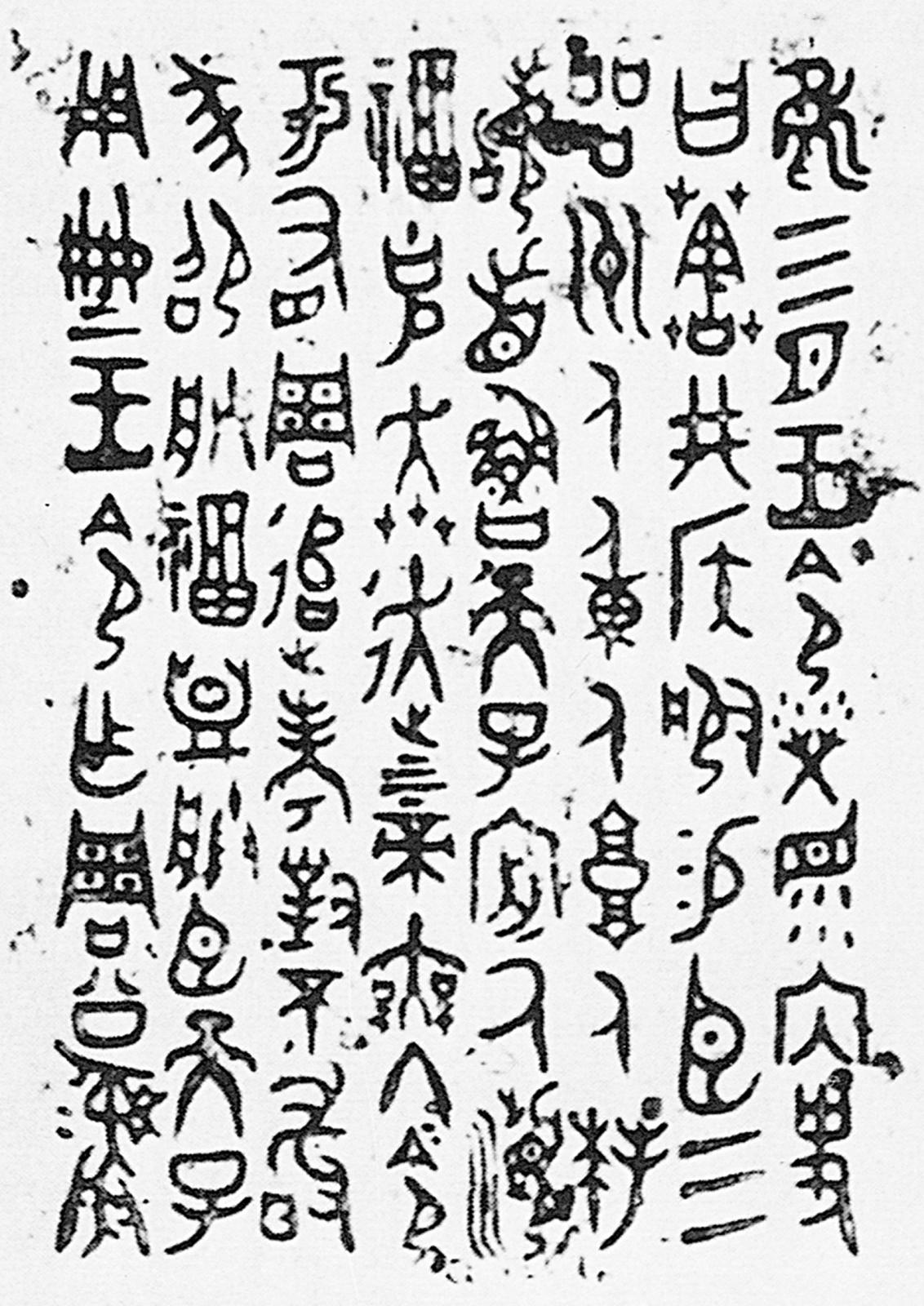
3–3. Four-handled vessel with chin-wen, or bronze script, inscription
3–3. Four-handled vessel with chin-wen, or bronze script, inscription
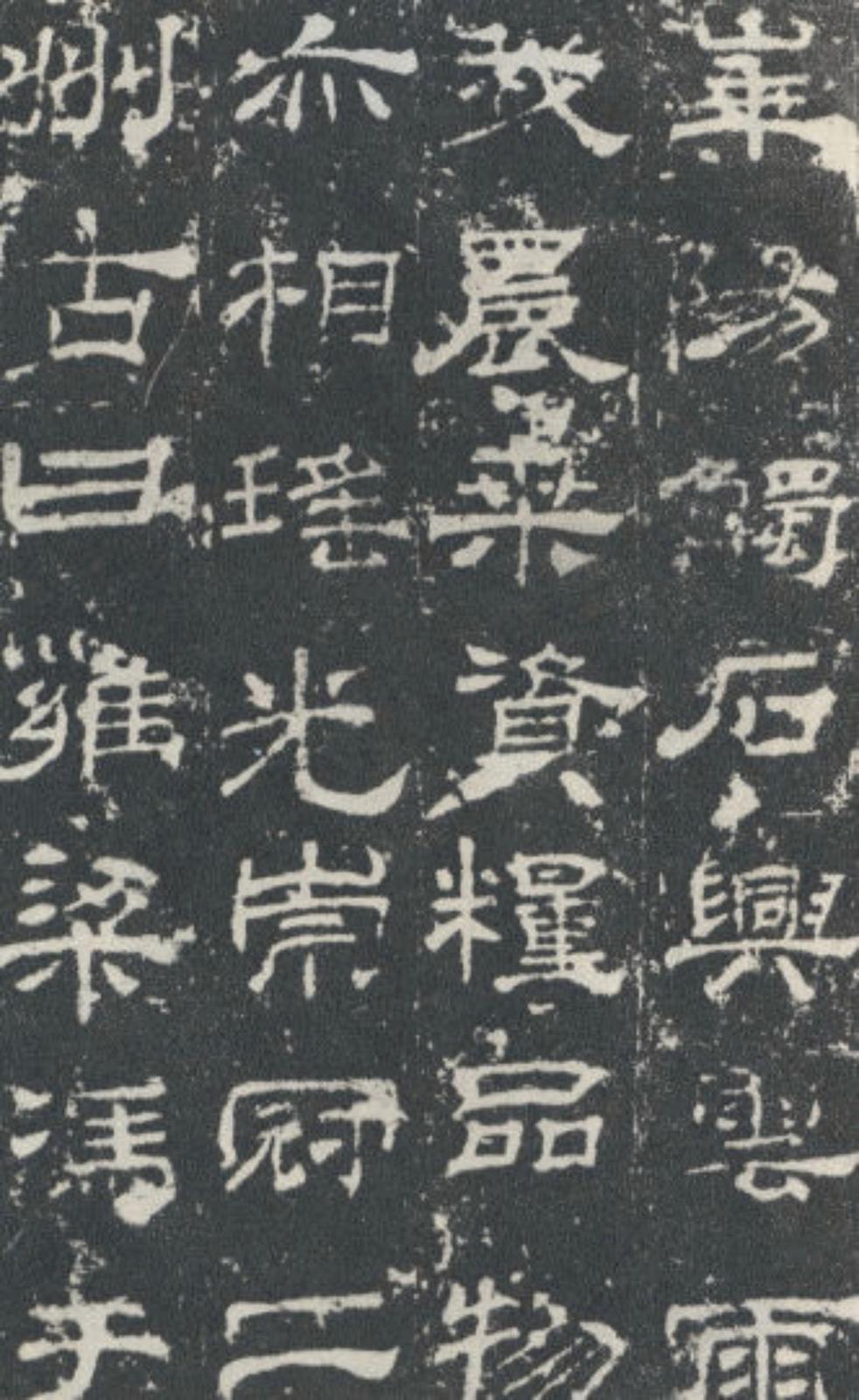
3–4. Li-shu tablet of Hua Shan Pagoda, example of Han style from Eastern Han dynasty
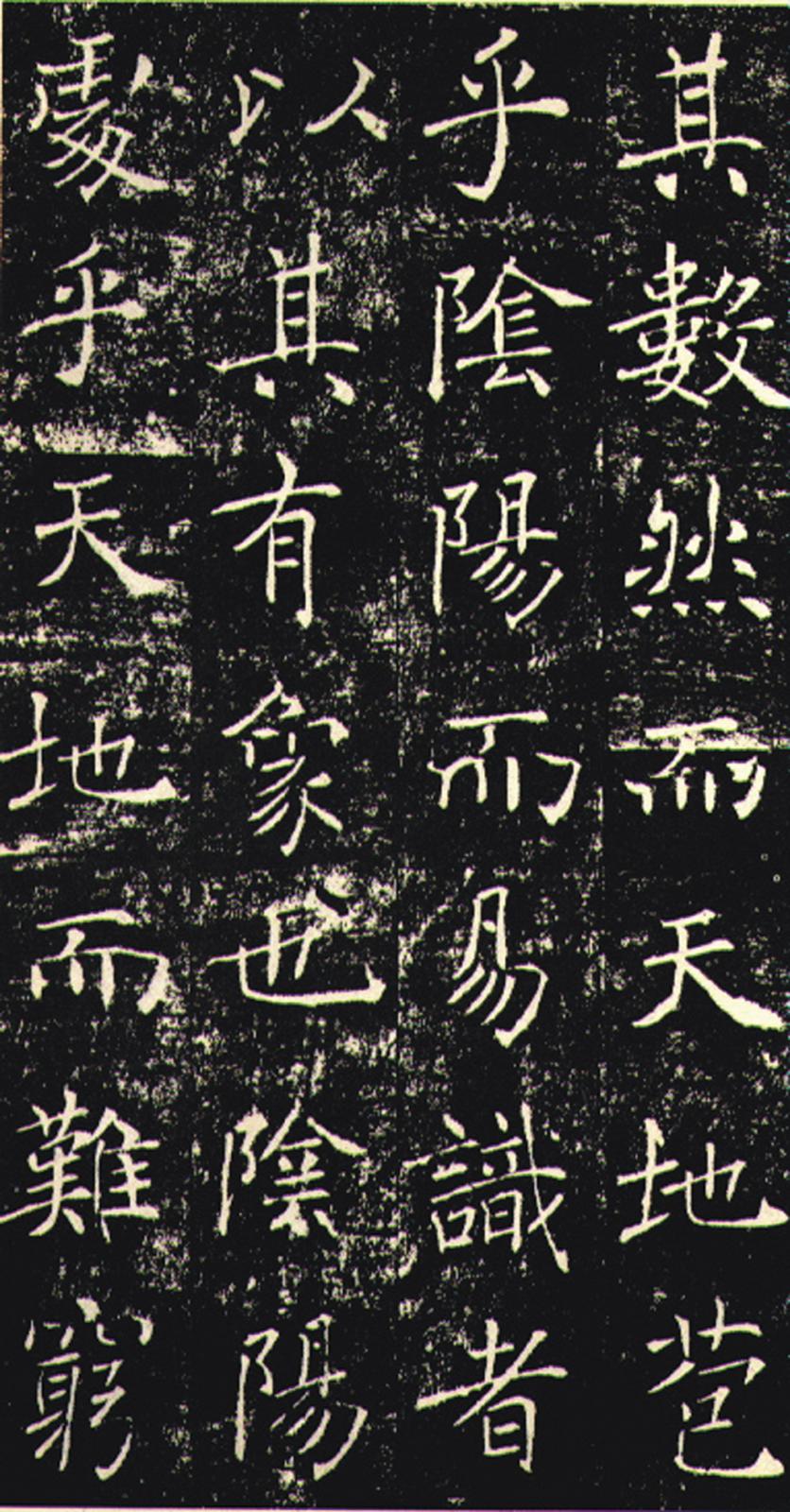
3–5. Rubbing from stone tablet