MHOGD
Chapter 3
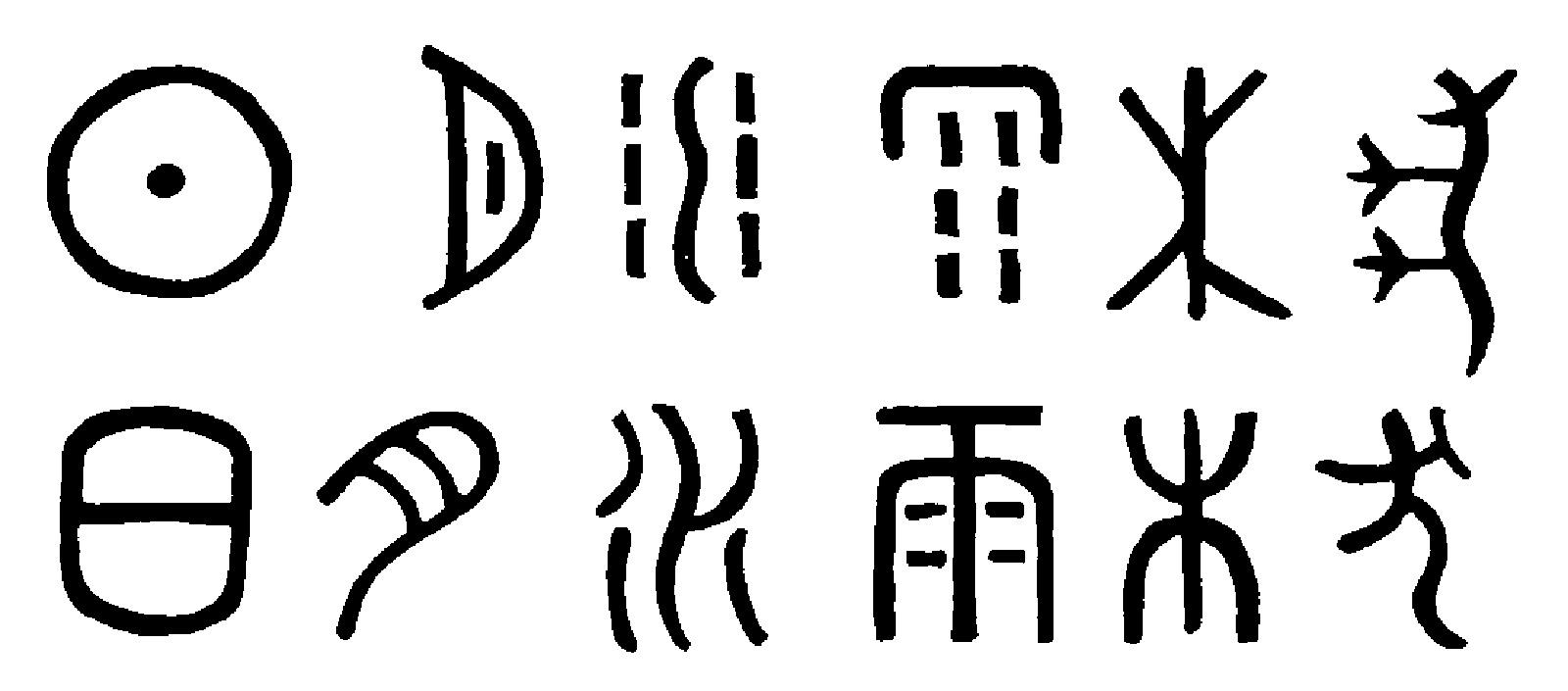
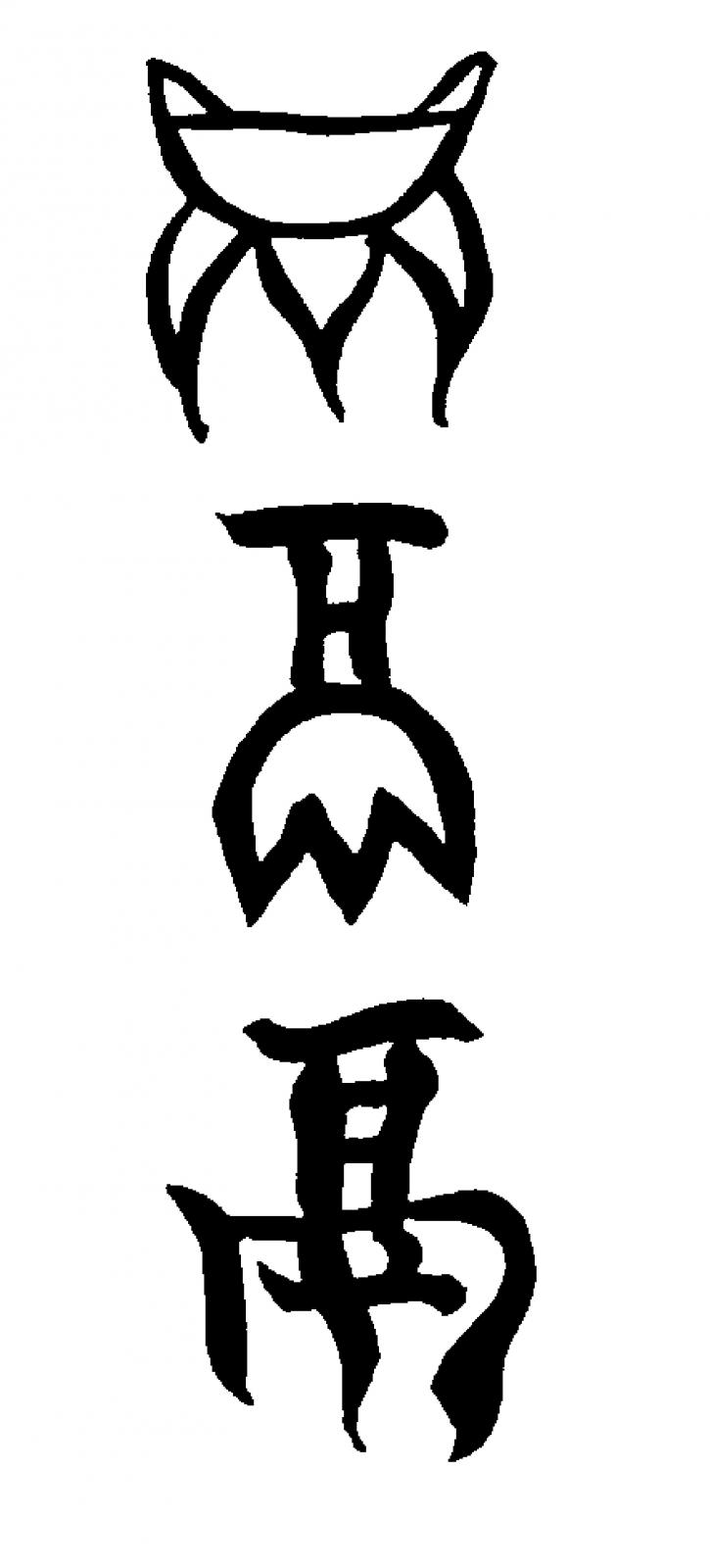
3–1. The top row of pictographs are chiaku-wen, or bone-and-shell script, attributed to the legendary Cangjie.
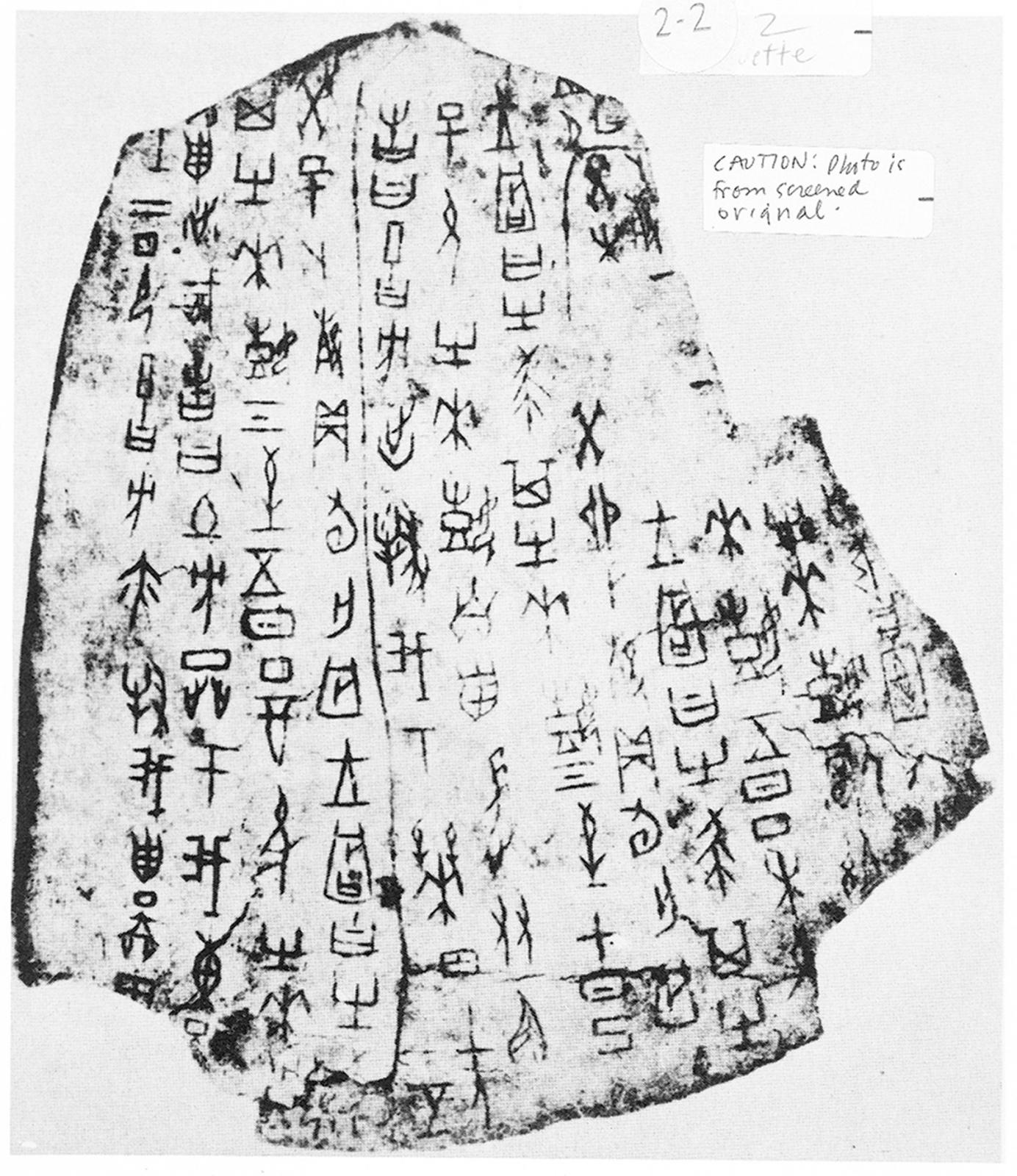
3–2. Oracle bone inscribed with chiaku-wen, or bone-and-shell script
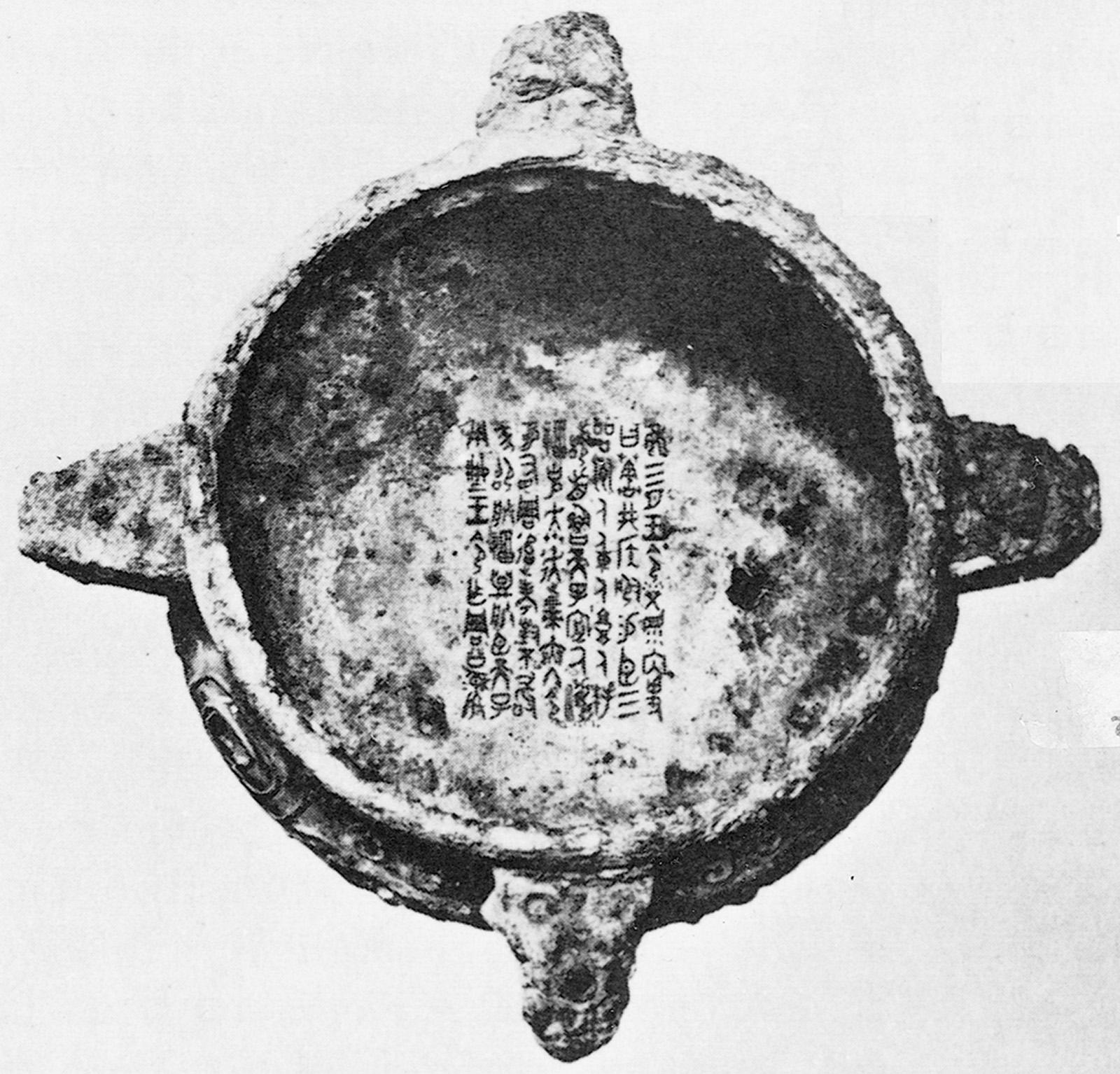
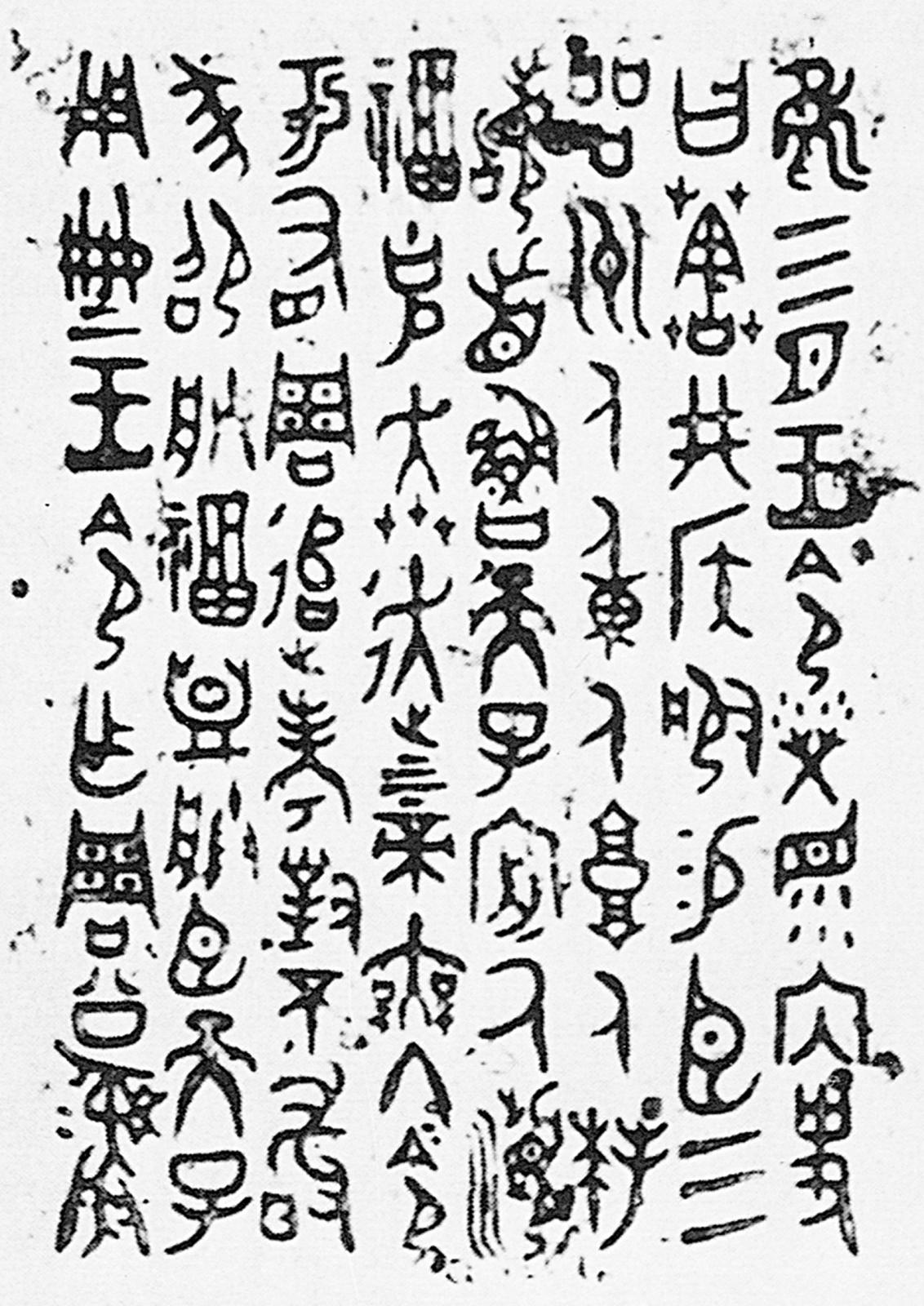
3–3. Four-handled vessel with chin-wen, or bronze script, inscription
3–3. Four-handled vessel with chin-wen, or bronze script, inscription
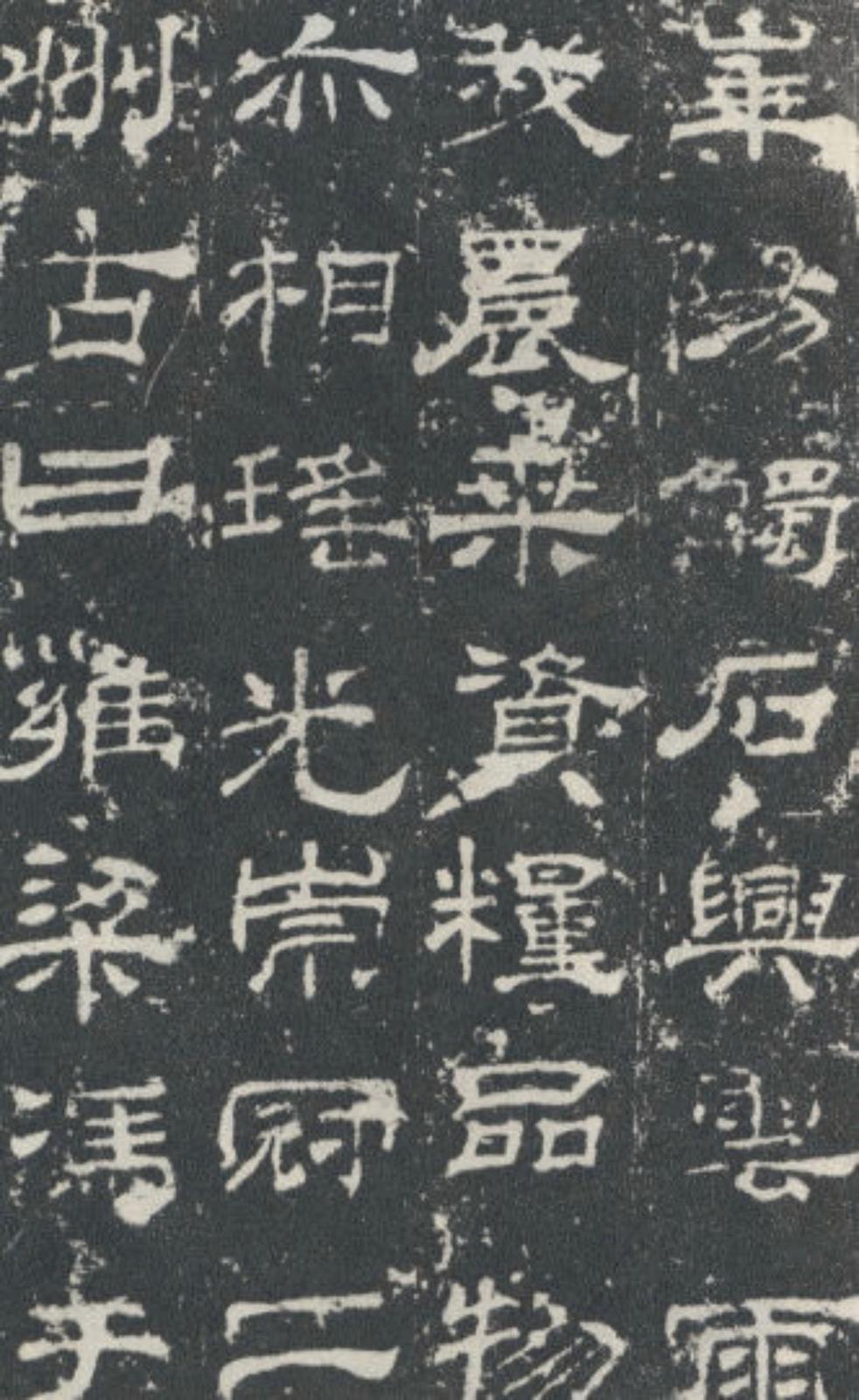
3–4. Li-shu tablet of Hua Shan Pagoda, example of Han style from Eastern Han dynasty
3–5. Rubbing from stone tablet
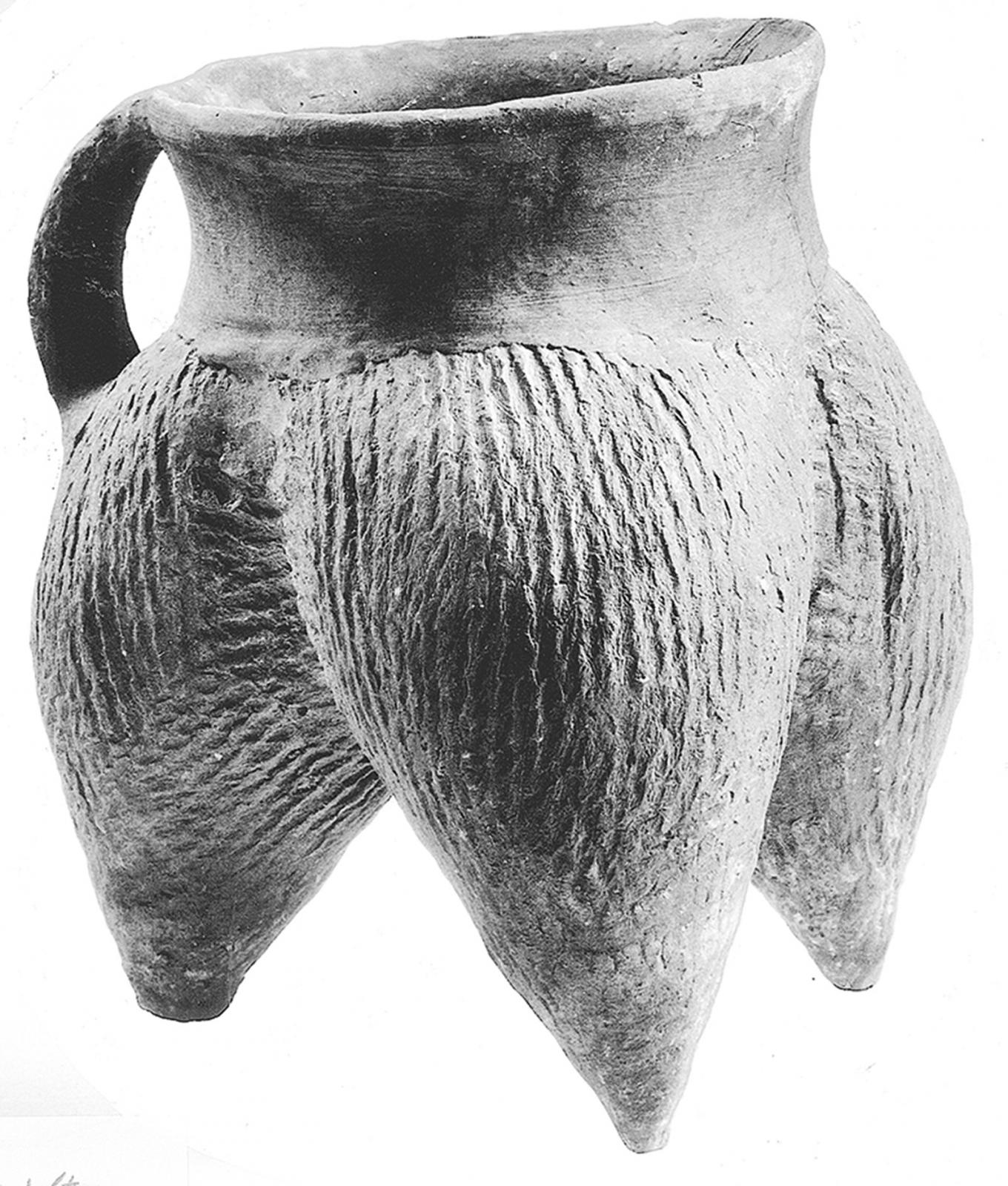
3–6. Li (three-legged pottery vessel), late Neolithic period.
3–6. Li (three-legged pottery vessel), late Neolithic period.
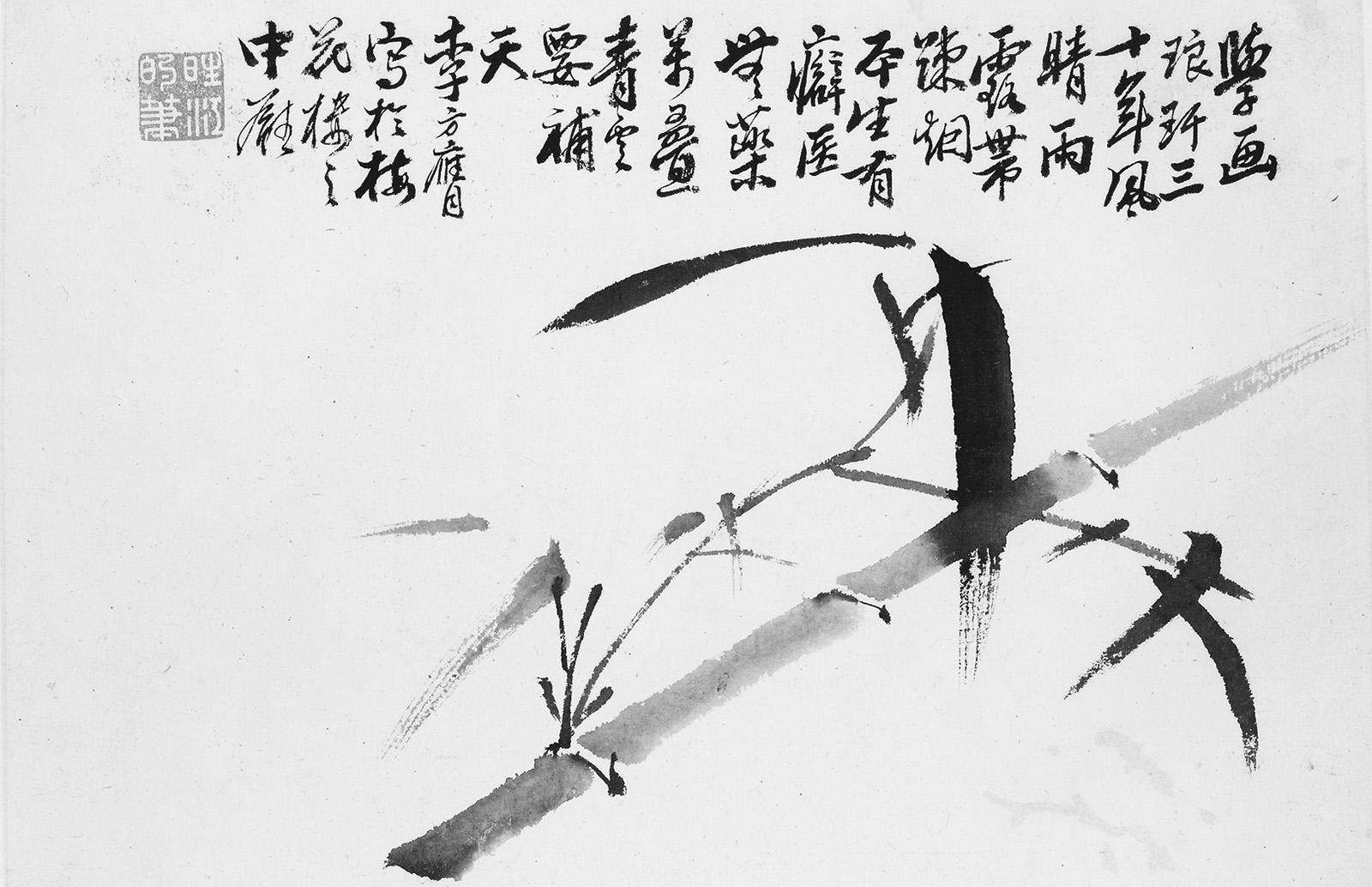
3–7. Li Fangying (1696–1755 ce), from Album of Eight Leaves, ink on paper, Qing dynasty
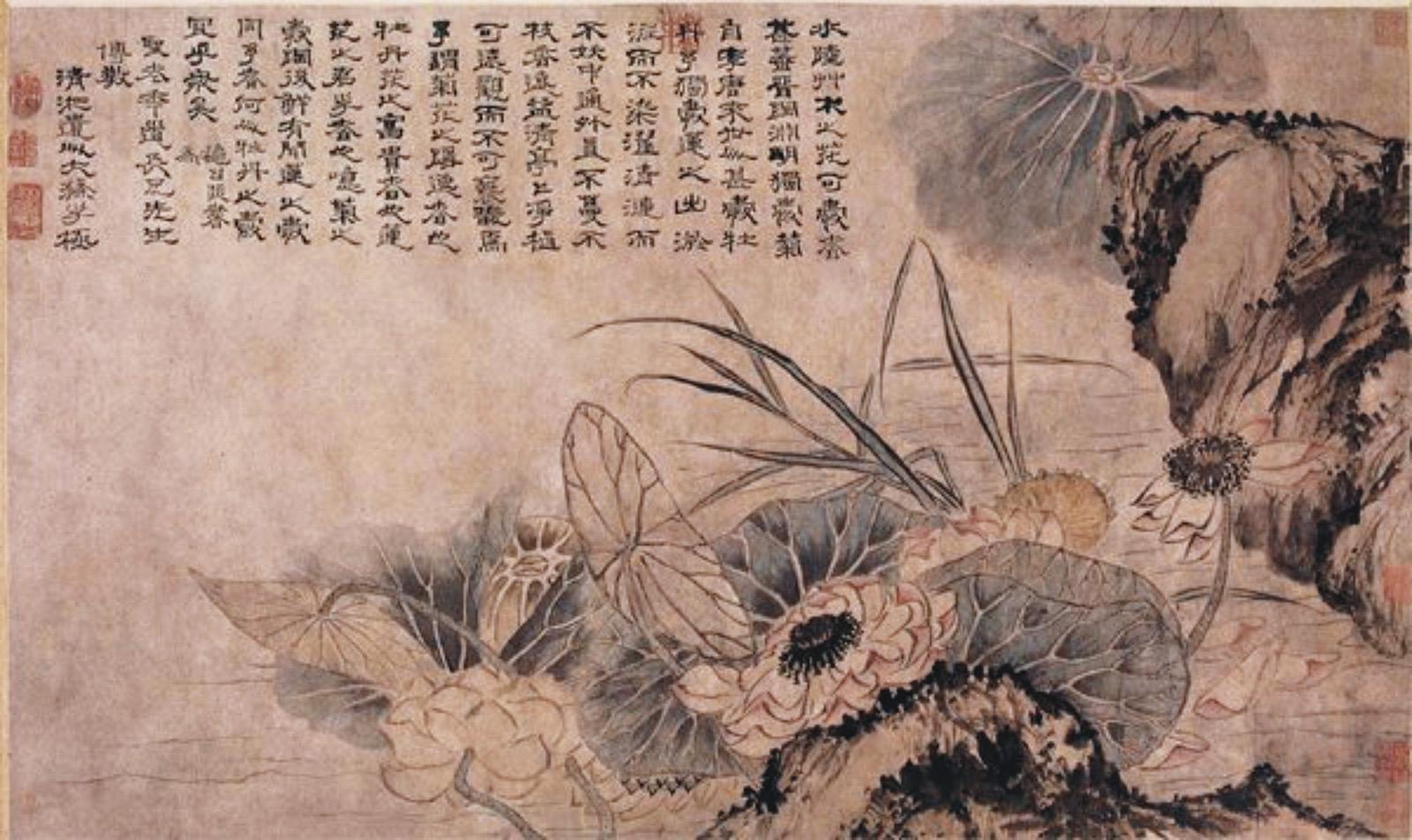
3–8. Shi Tao, the Love of Lotus landscape, Qing dynasty.
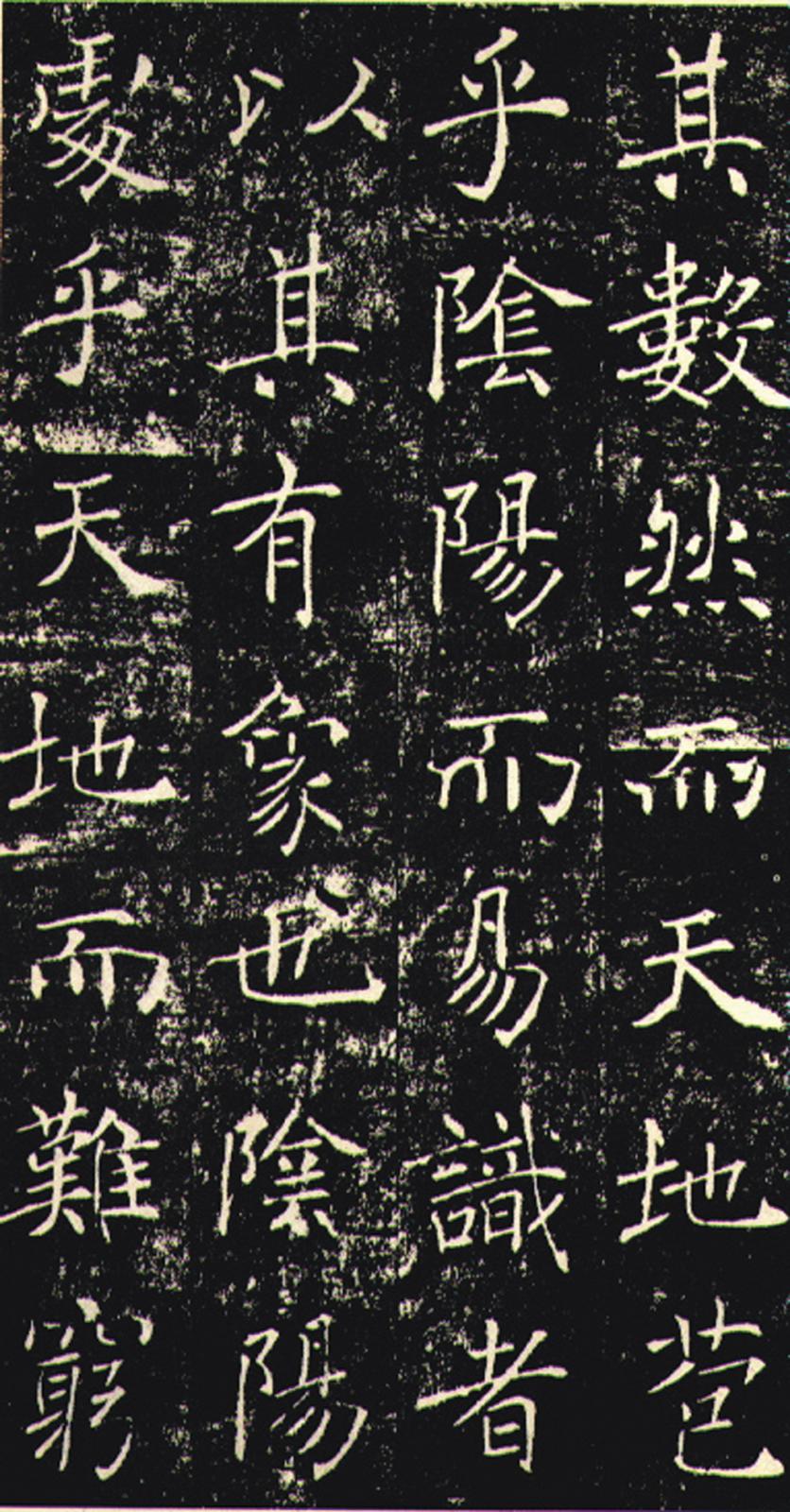
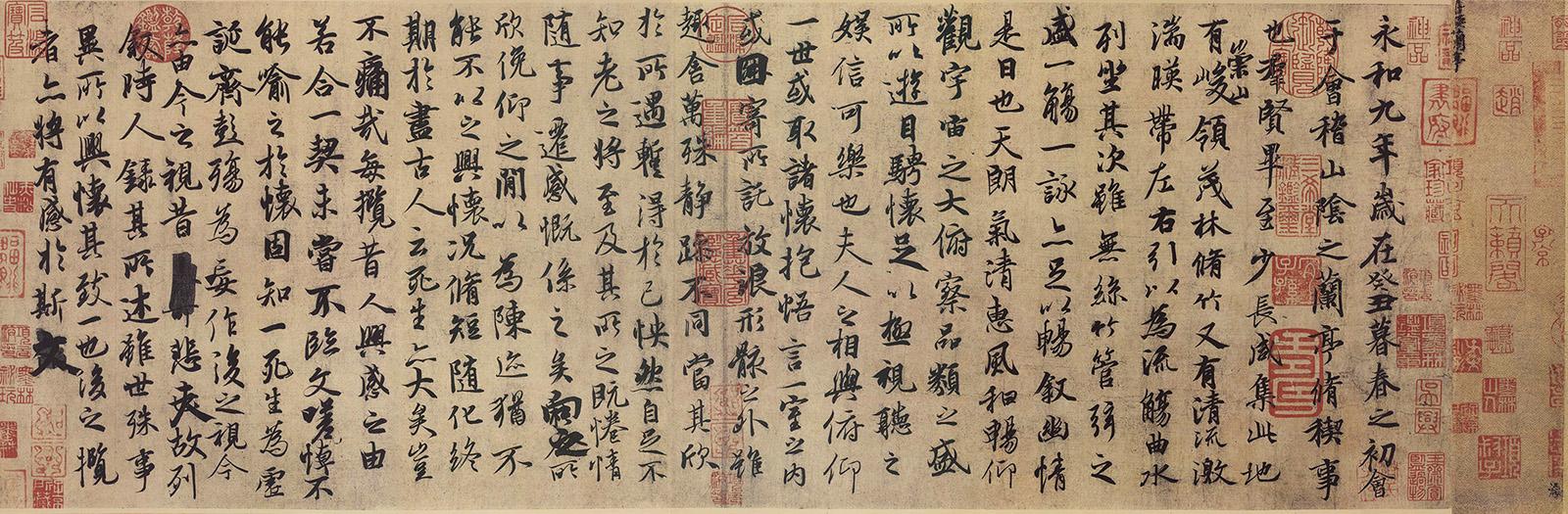
3–9. This copy of Wang Xizhi’s Lantingji Xu includes 28 rows and 324 characters.
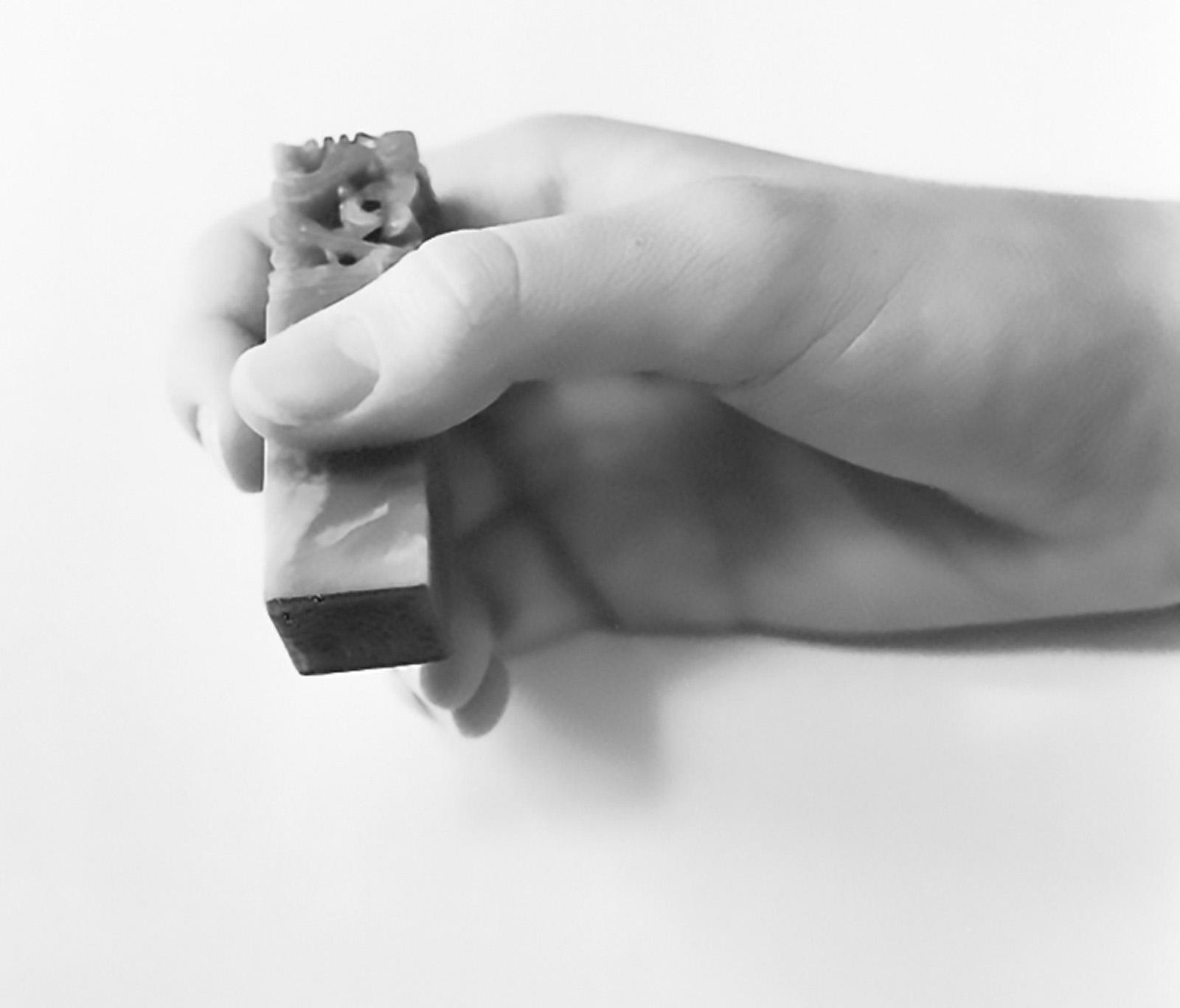
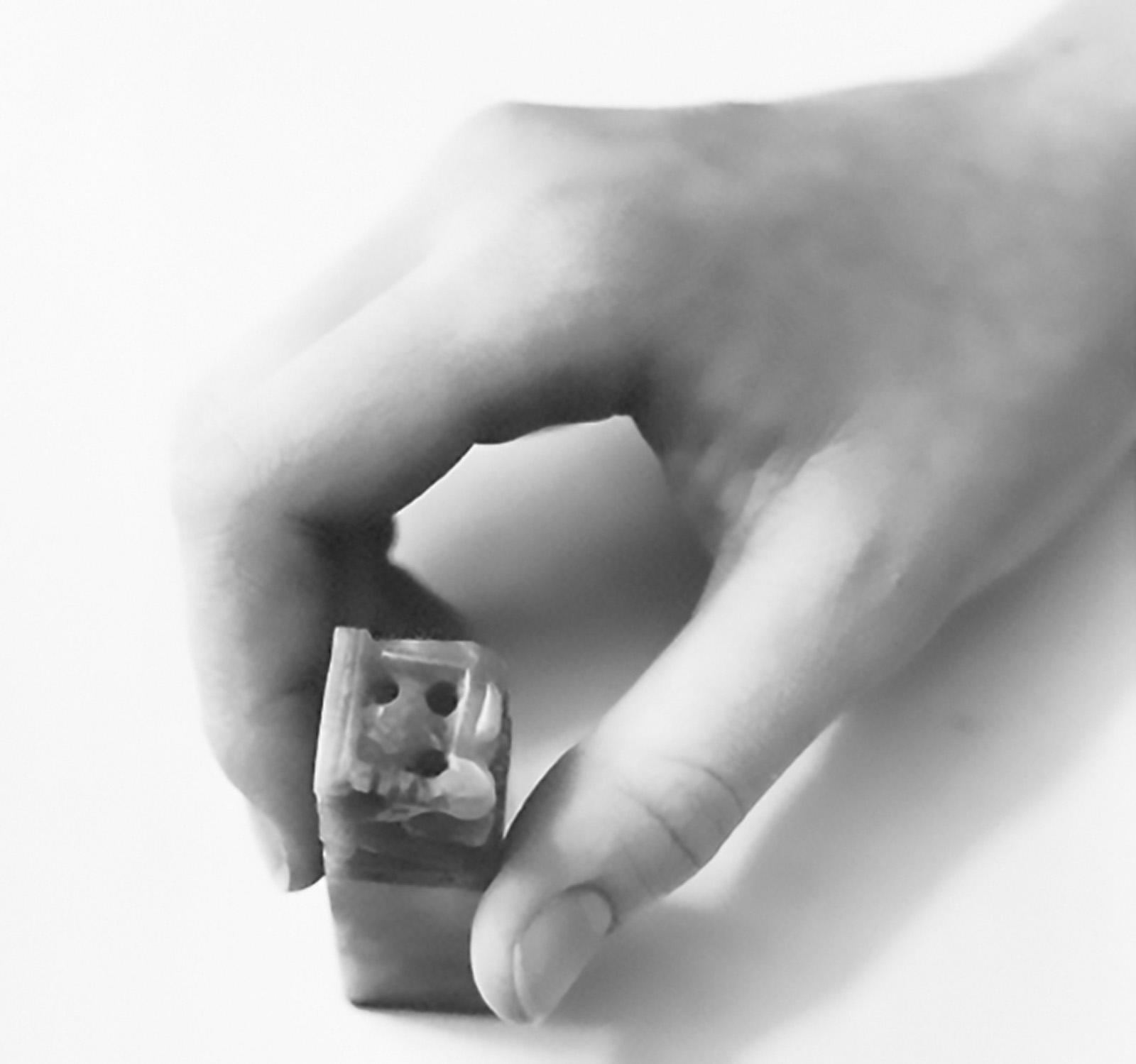
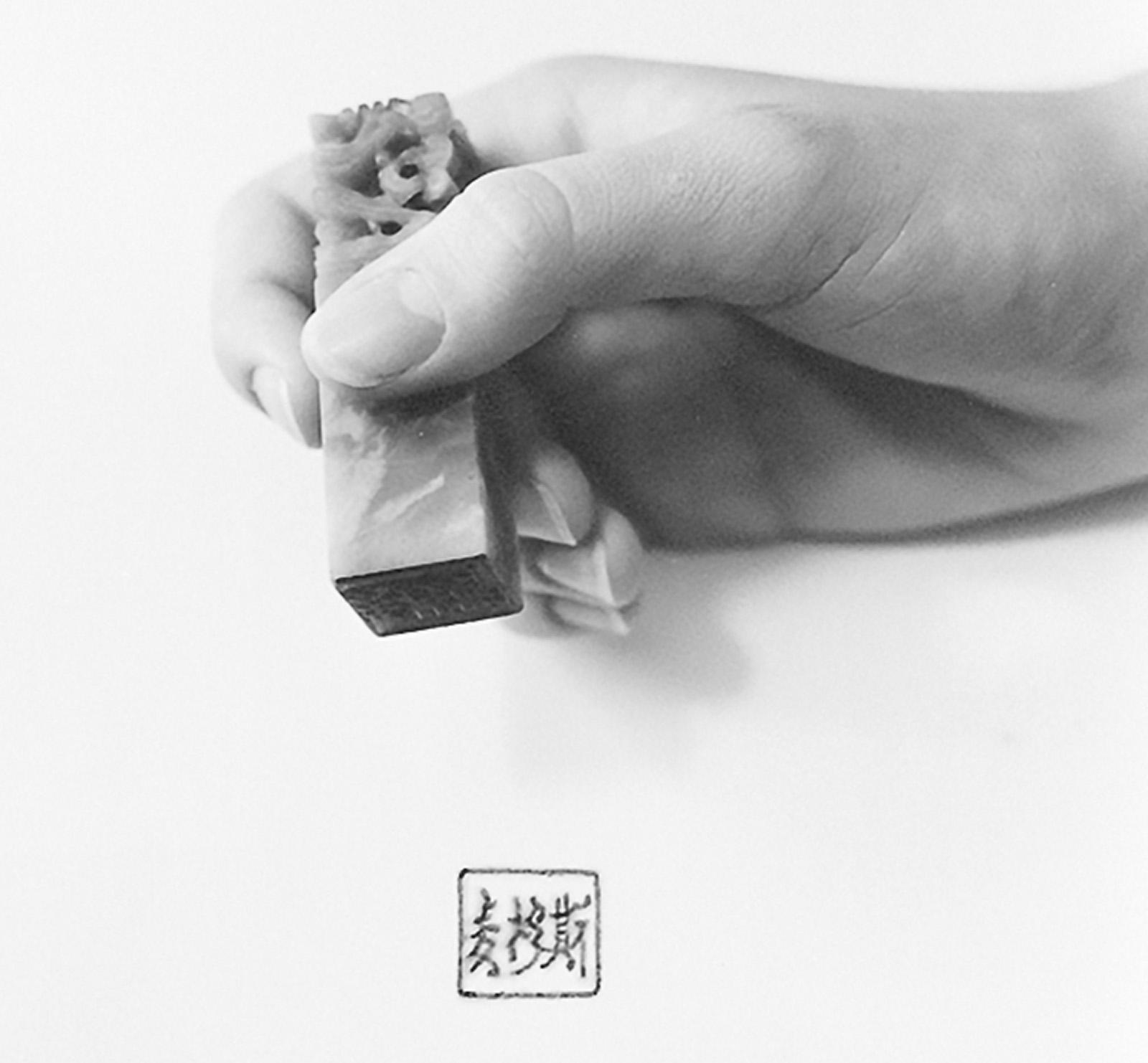
3–10. Chinese chop.
3–10. Chinese chop.
3–10. Chinese chop.
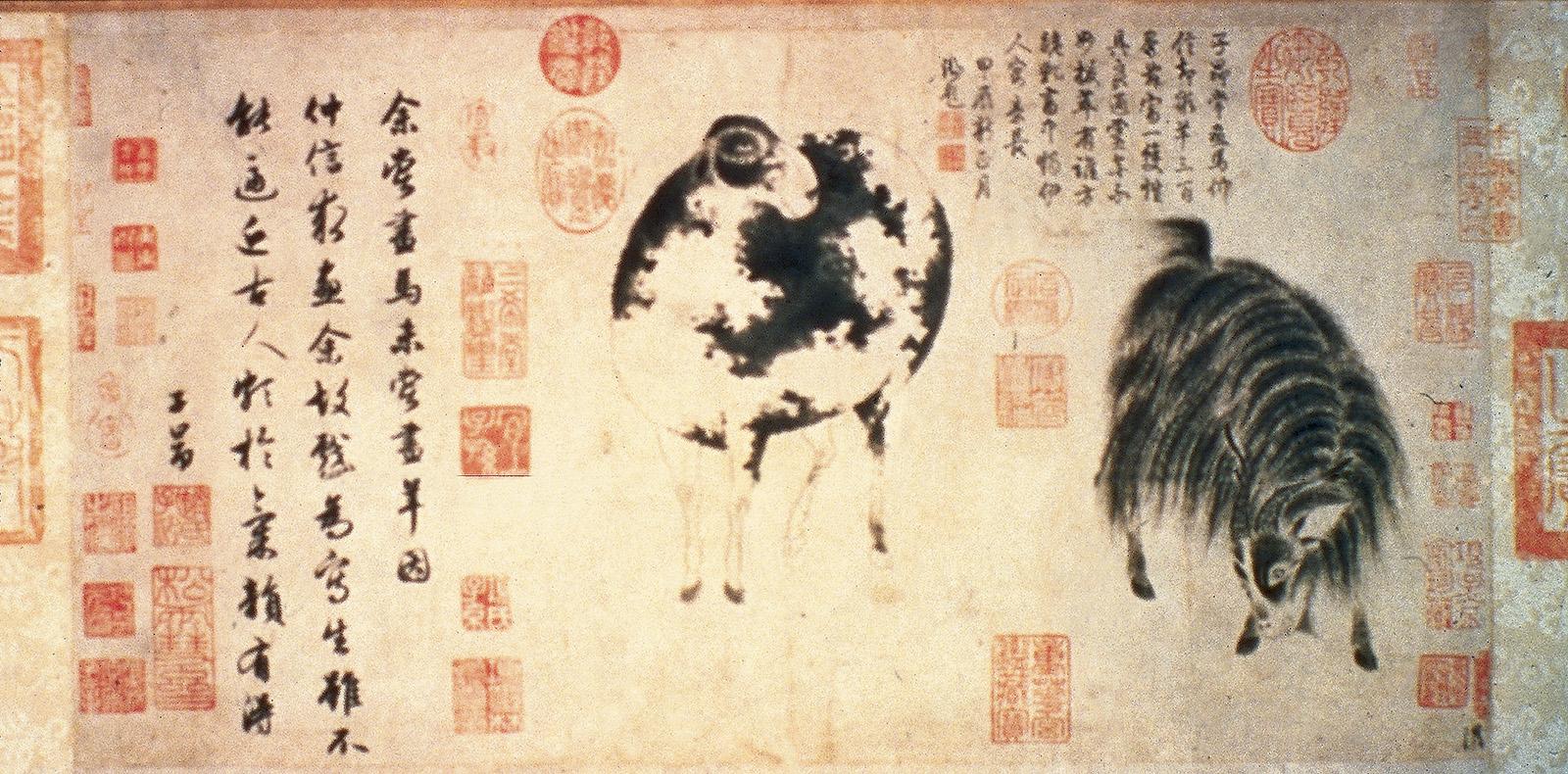
3–11. Zhao Meng-fu, a goat and sheep
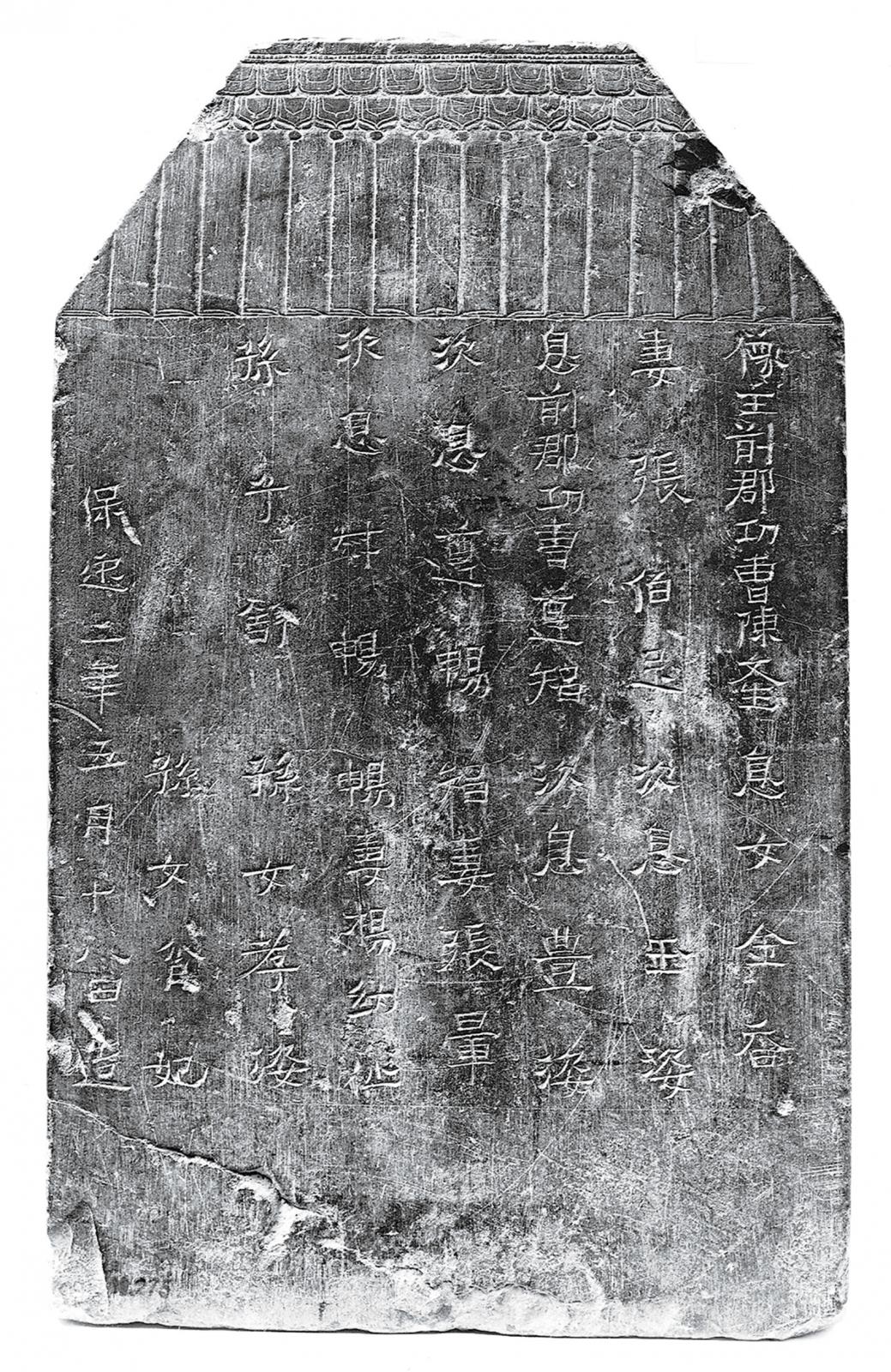
3–12. Buddhist dedicatory stele
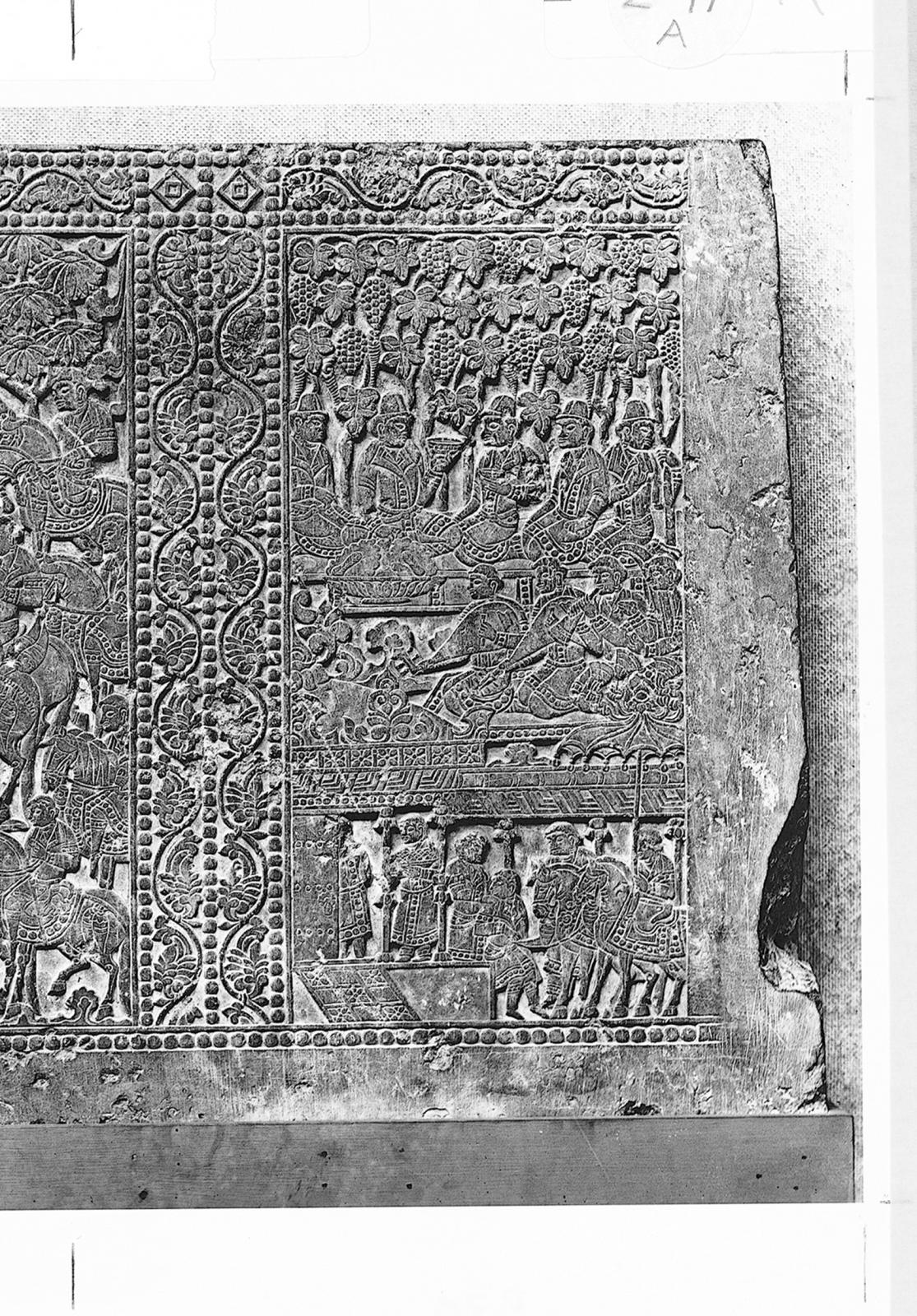
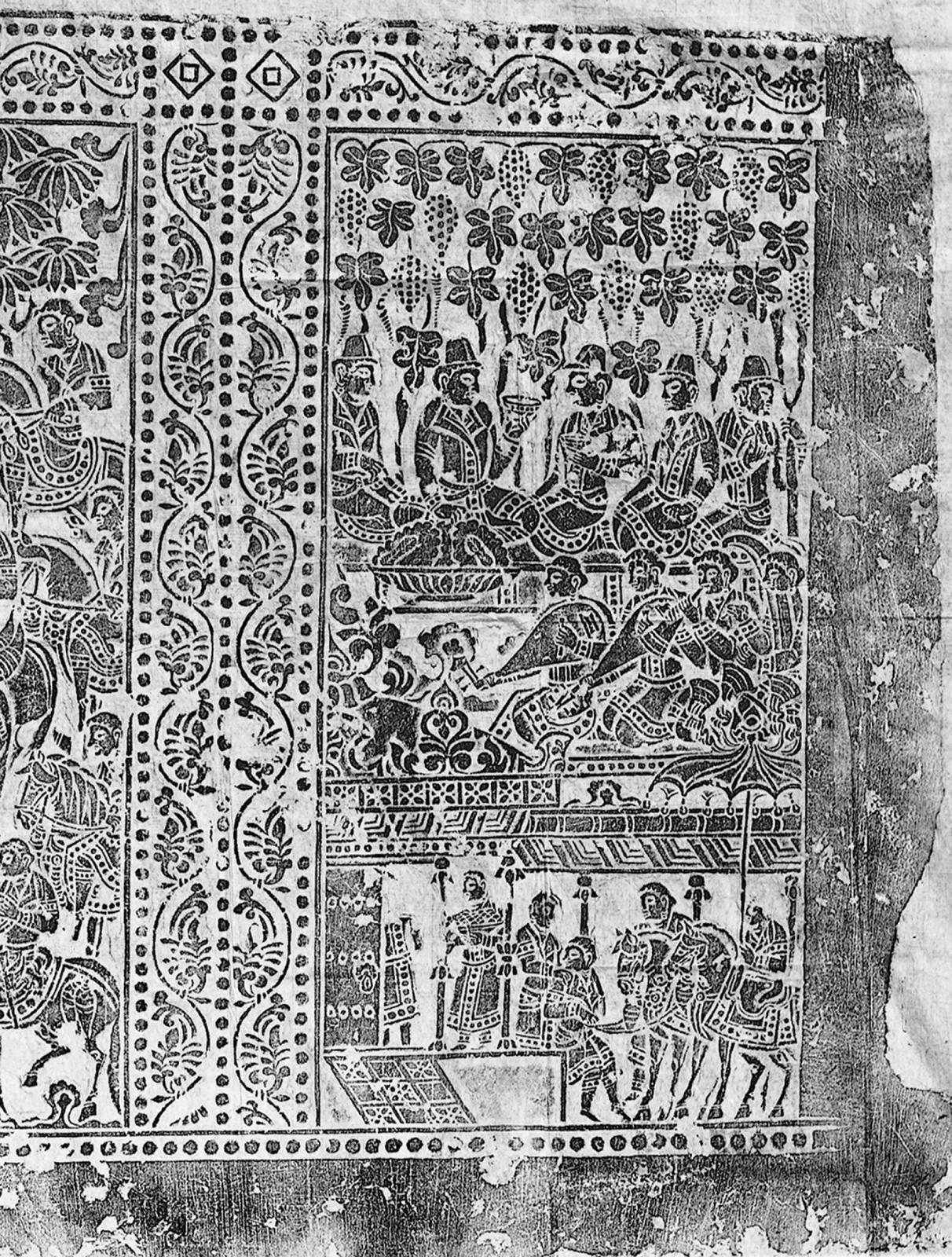
3–13. Chinese relief tomb sculpture and rubbing, northern Qi dynasty
3–13. Chinese relief tomb sculpture and rubbing, northern Qi dynasty
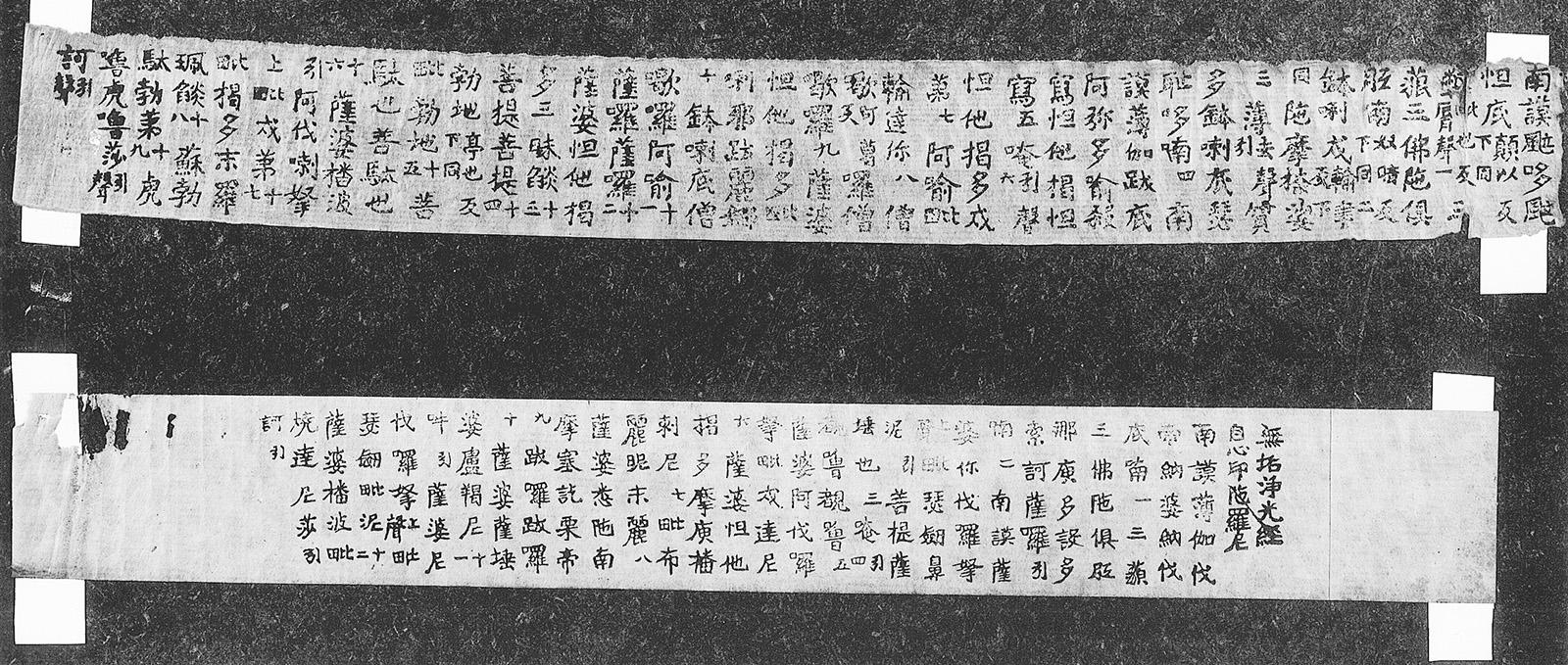
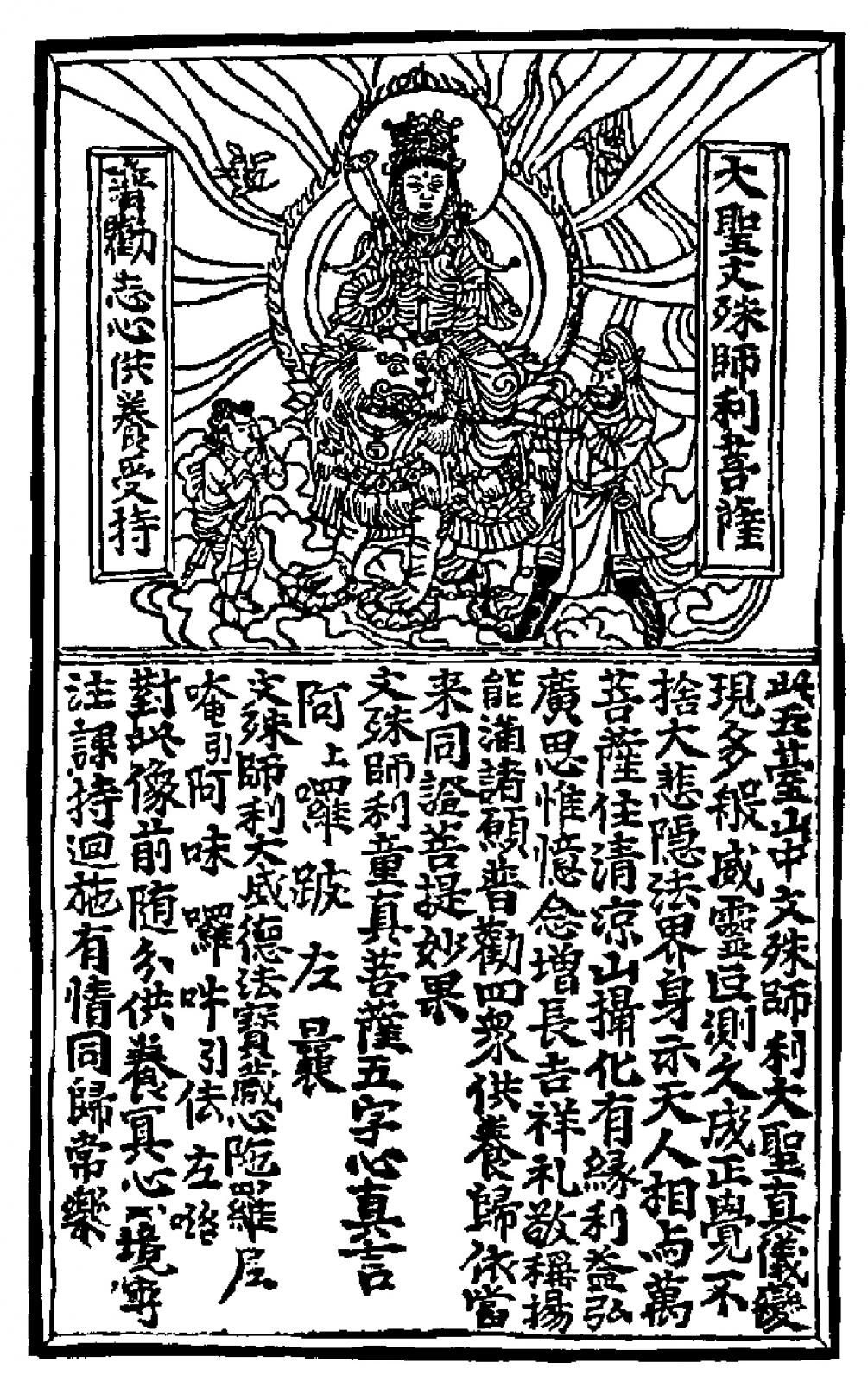
3–14. Buddhist charms called dharani
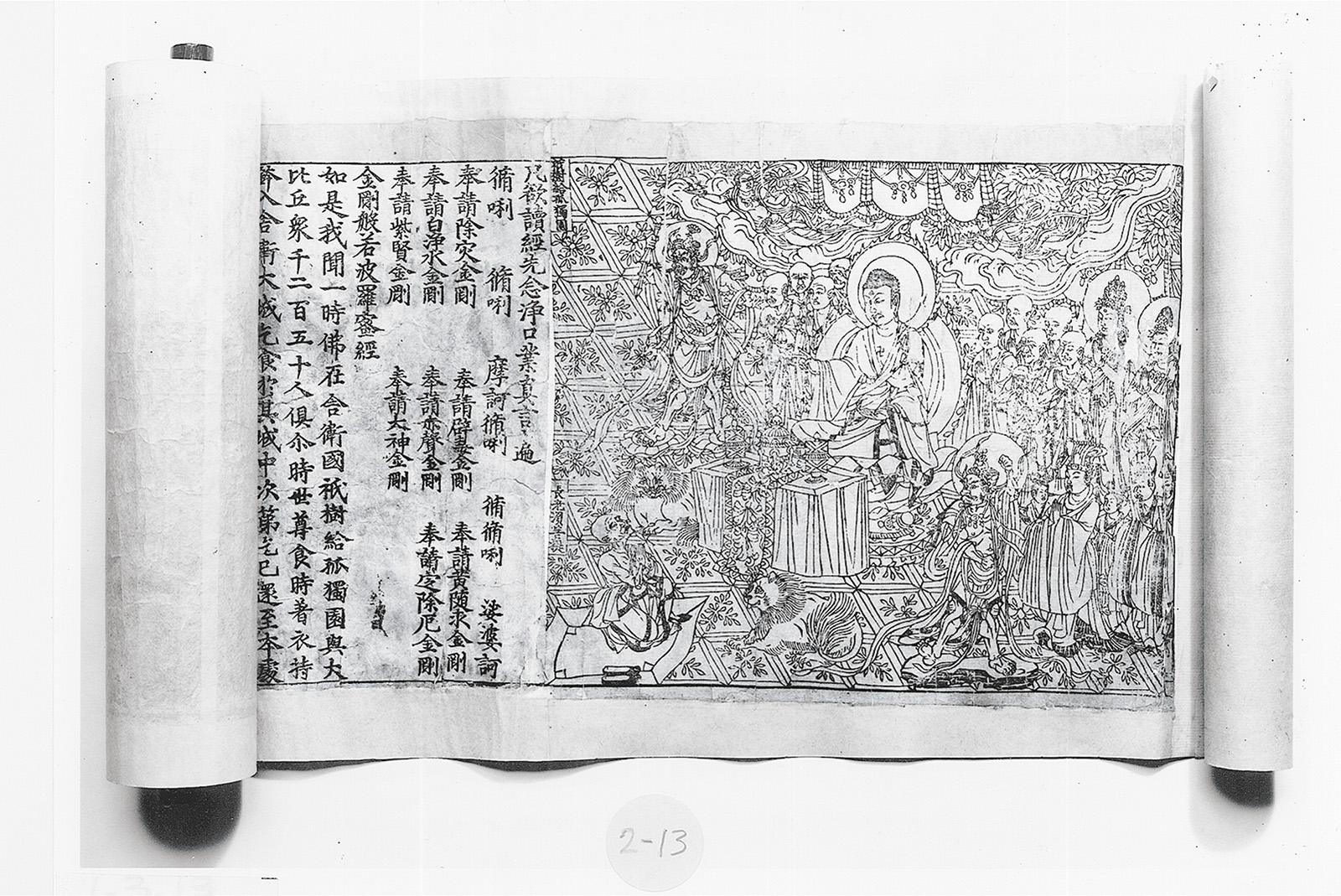
3–15. The Diamond Sutra
3–16. Chinese woodblock print
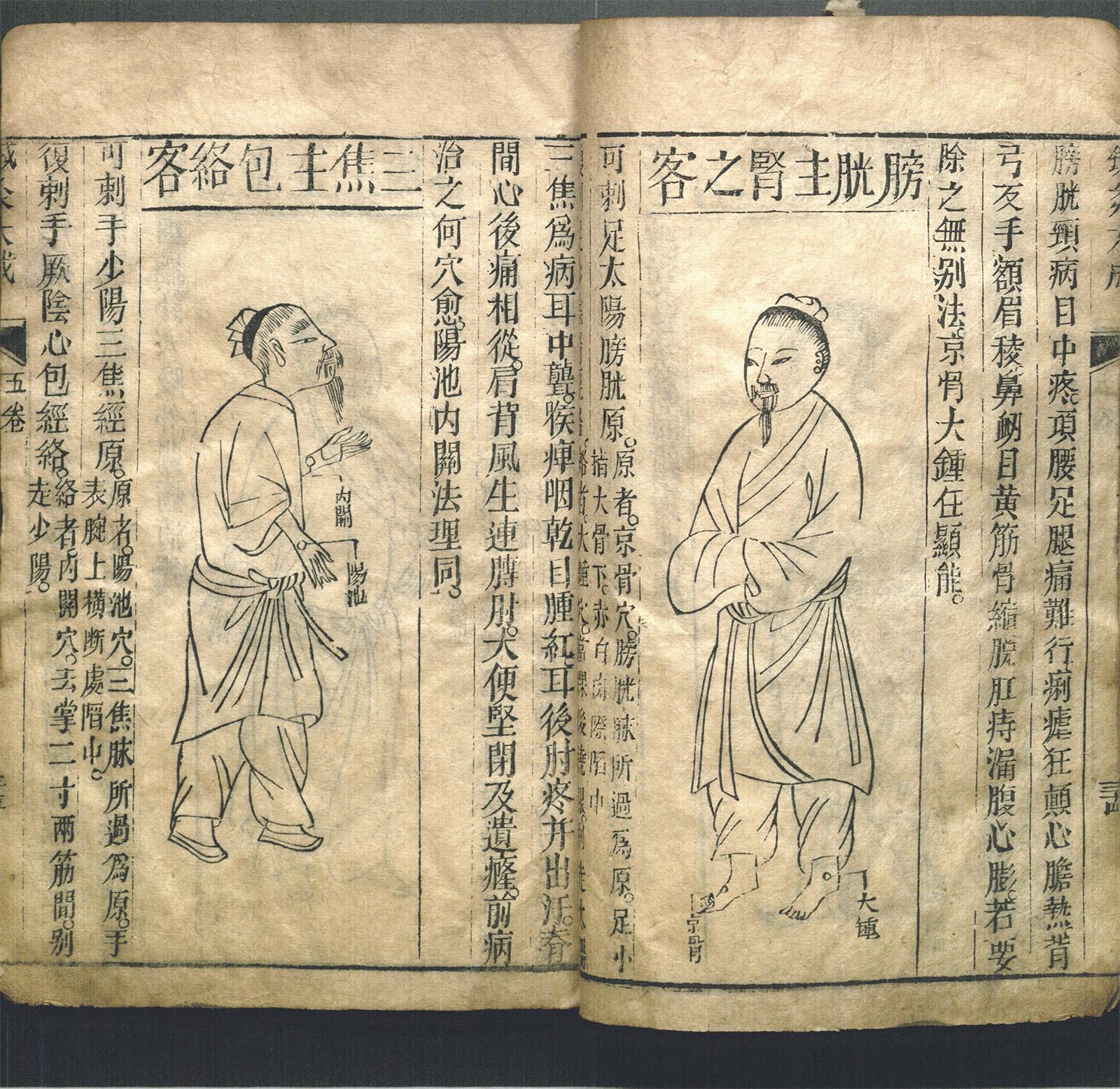
3–17. Pages from the Pen ts’ao
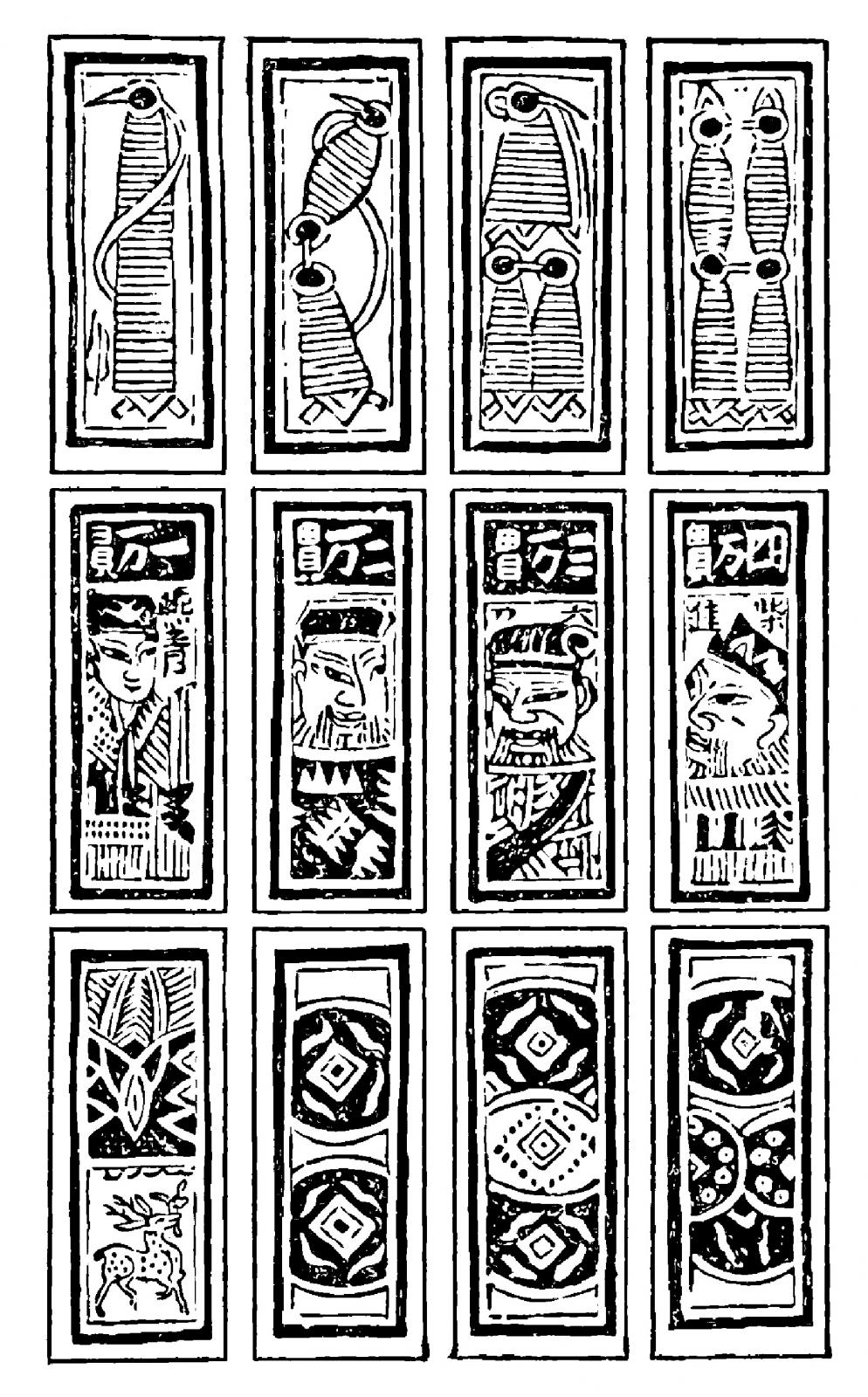
3–18. Chinese playing cards
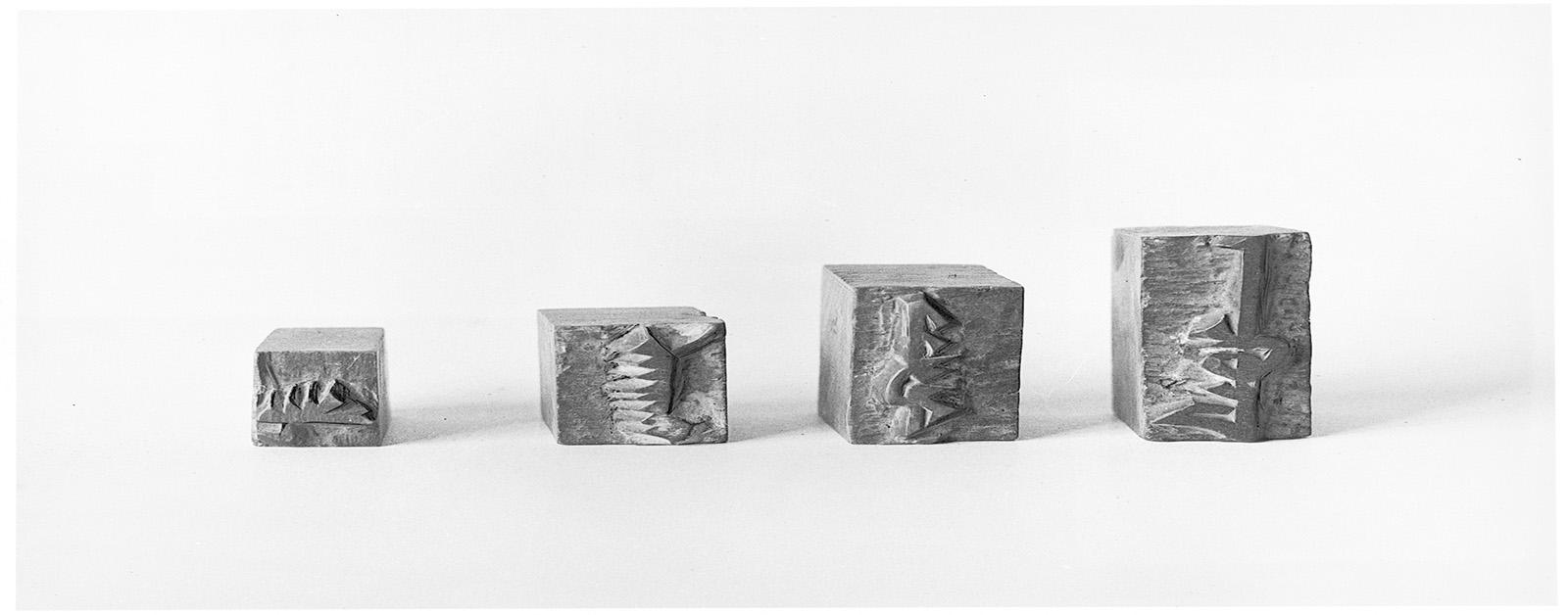
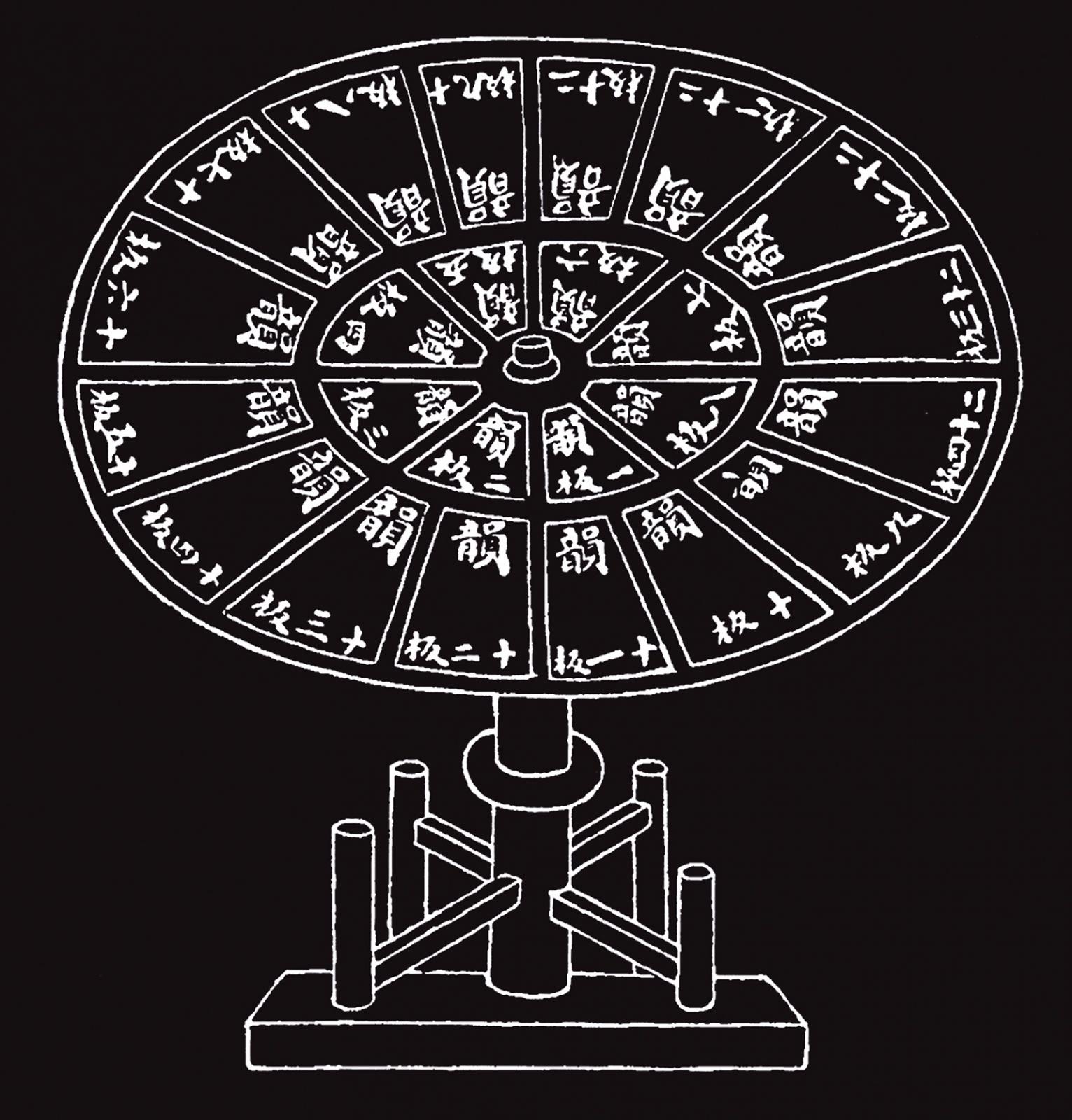
3–19. Chinese movable types
3–20. Woodblock image of a revolving typecase