MHOGD
Chapter 1
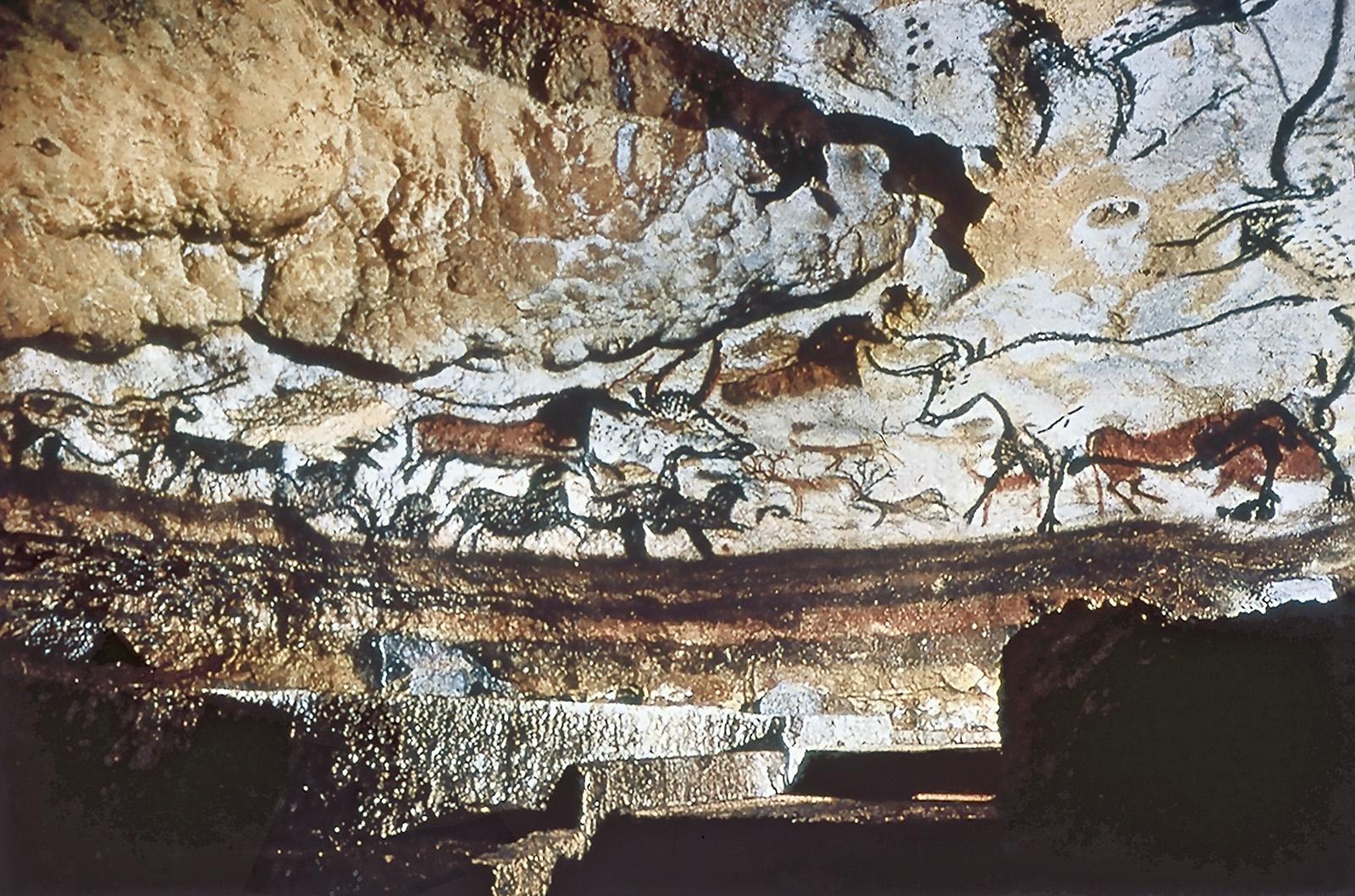
1–1. Cave painting from Lascaux
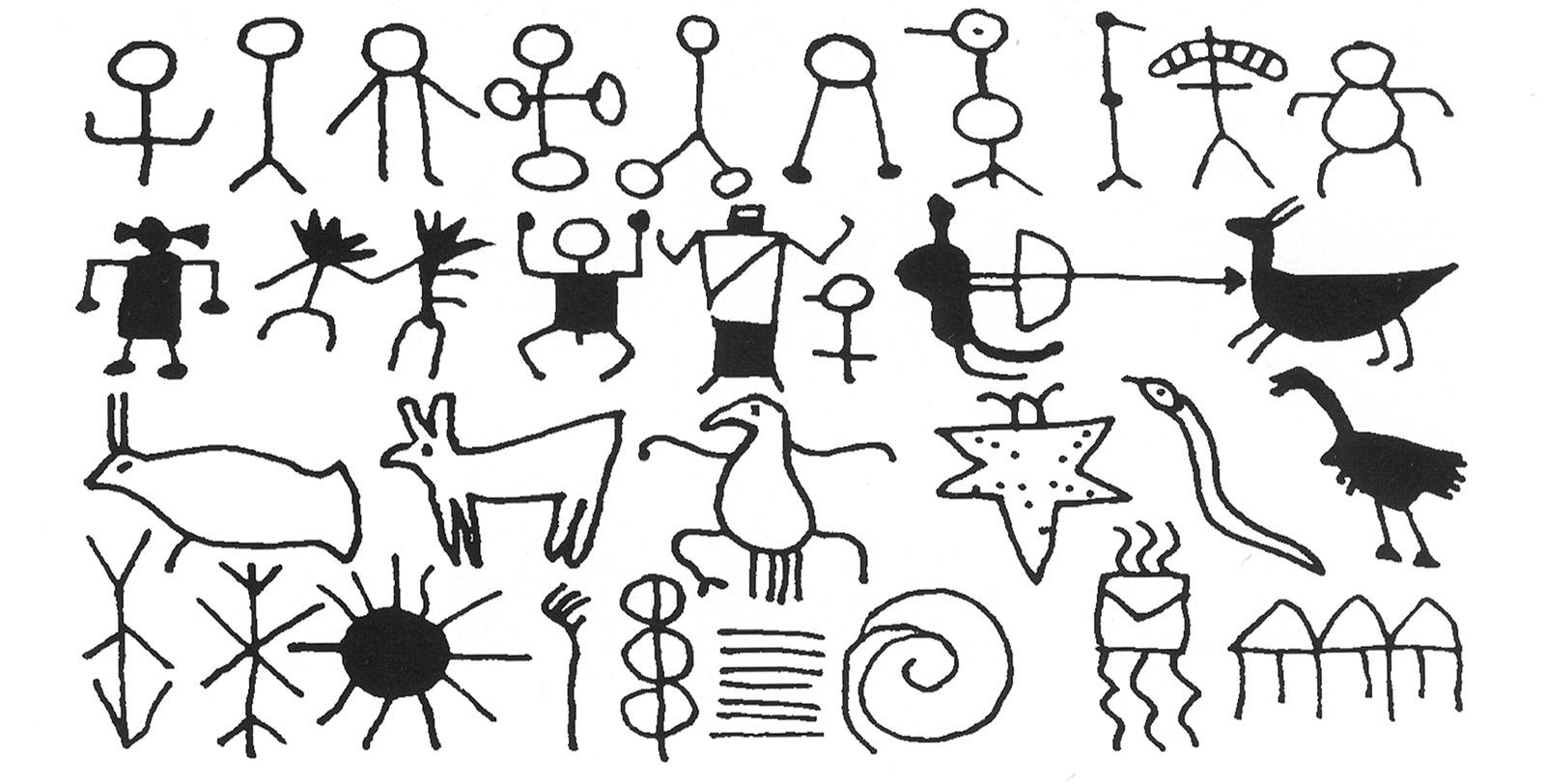
1–2. Found carved and sometimes painted on rocks in the western United States
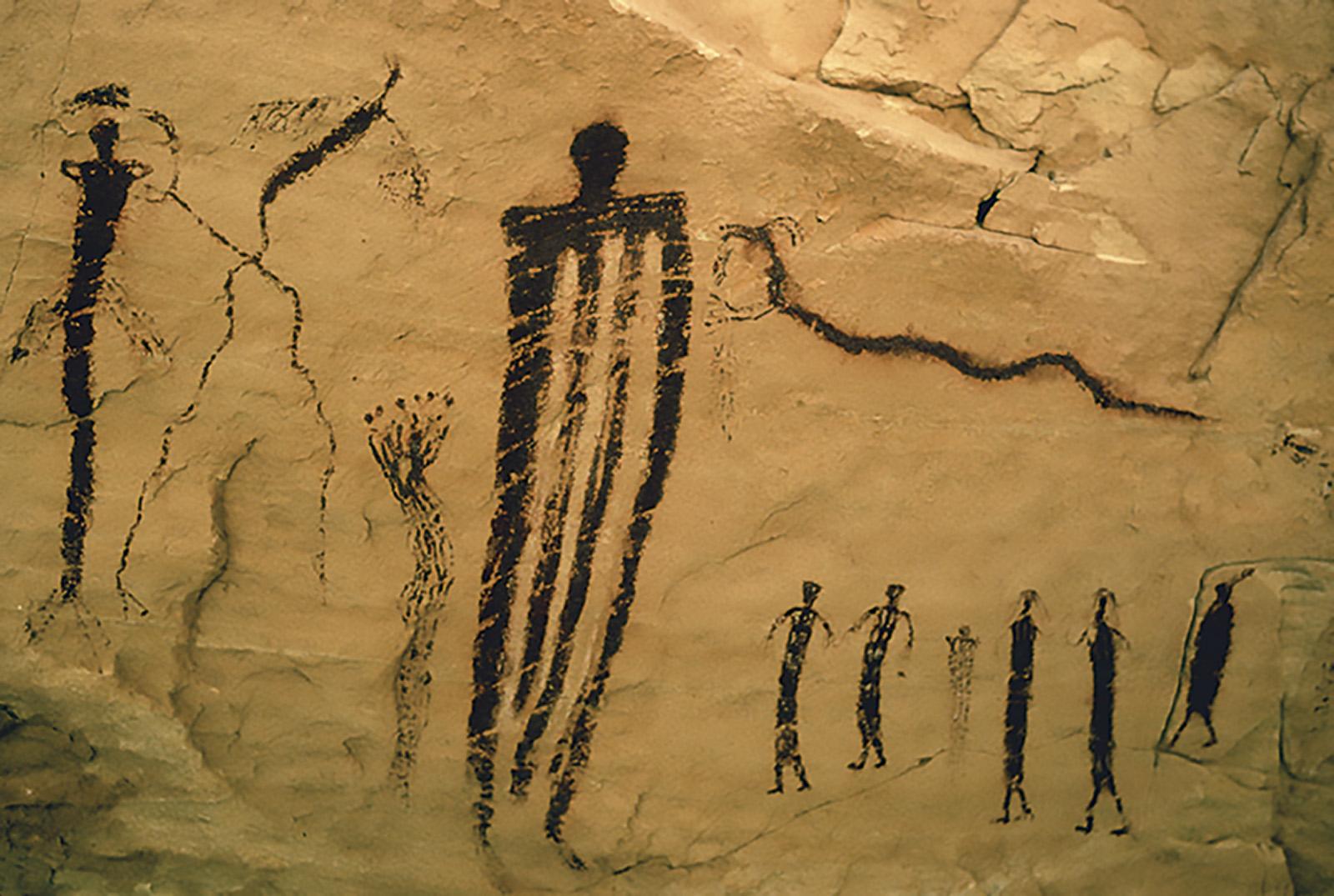
1–3. Fremont rock painting from San Raphael Swell
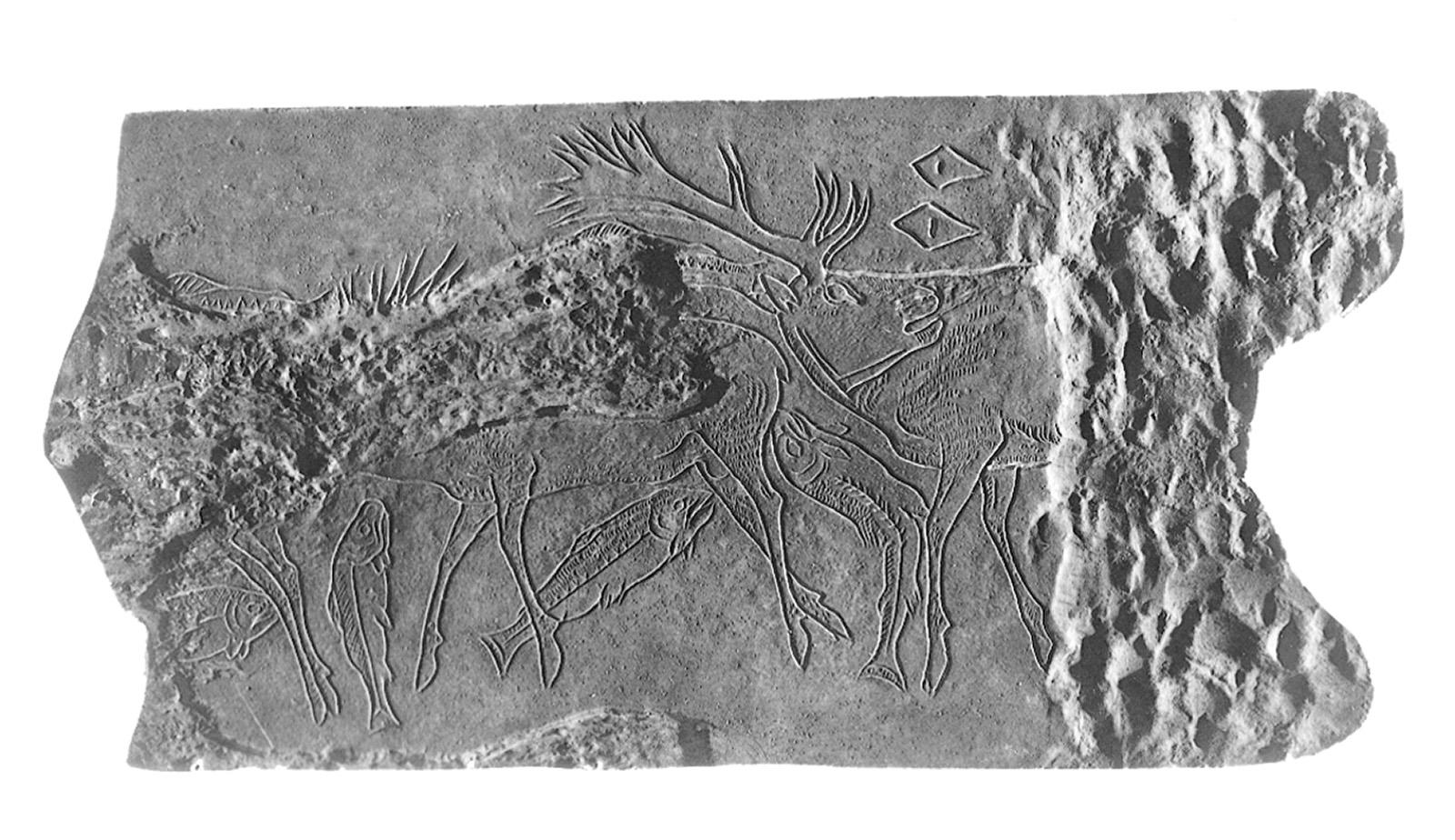
1–4. Engraved drawing on a deer antler
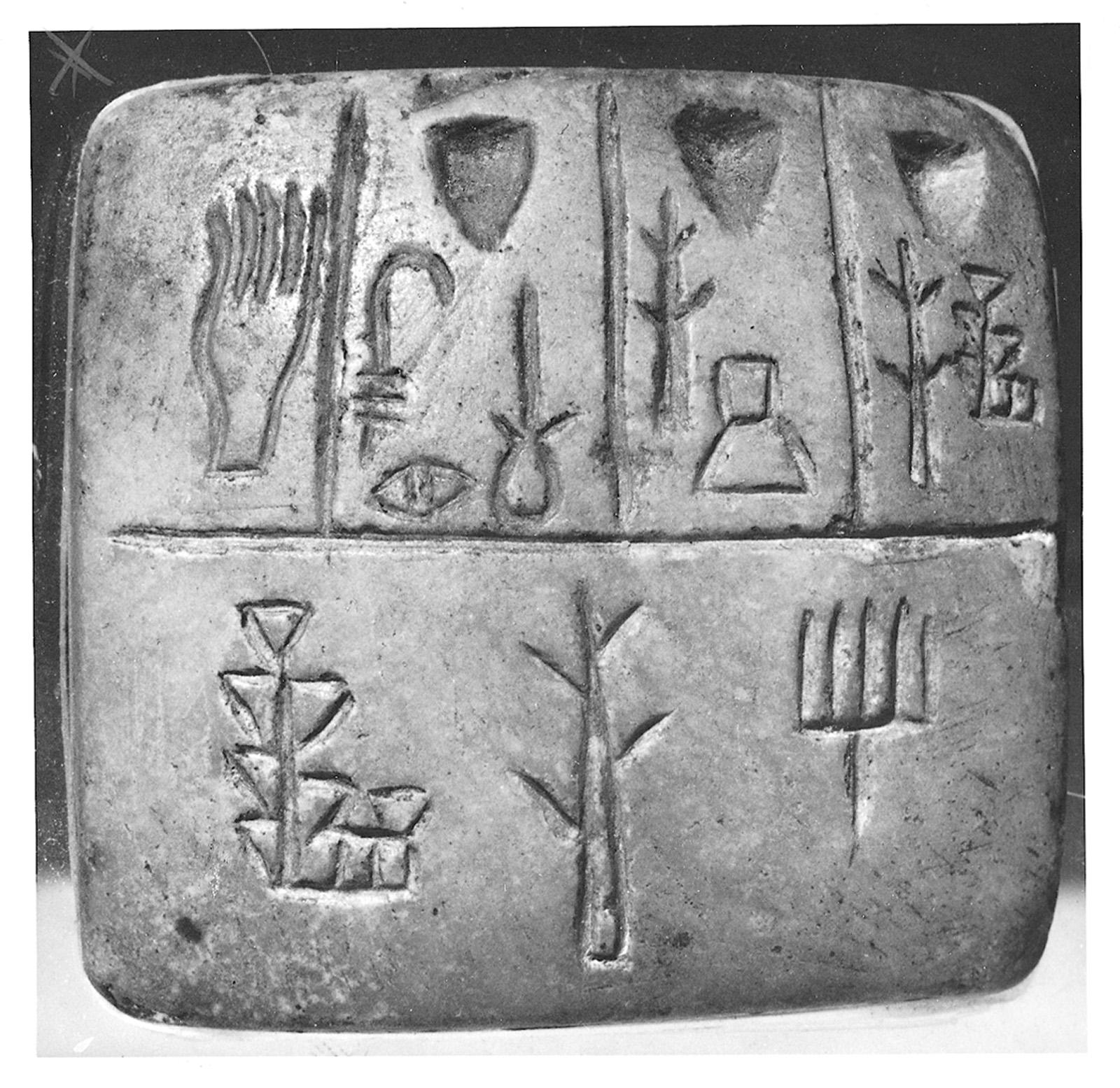
1–5. Early Sumerian proto-cuneiform using a mnemonic or ideographic writing system where signs resemble concrete objects, pictographic tablet
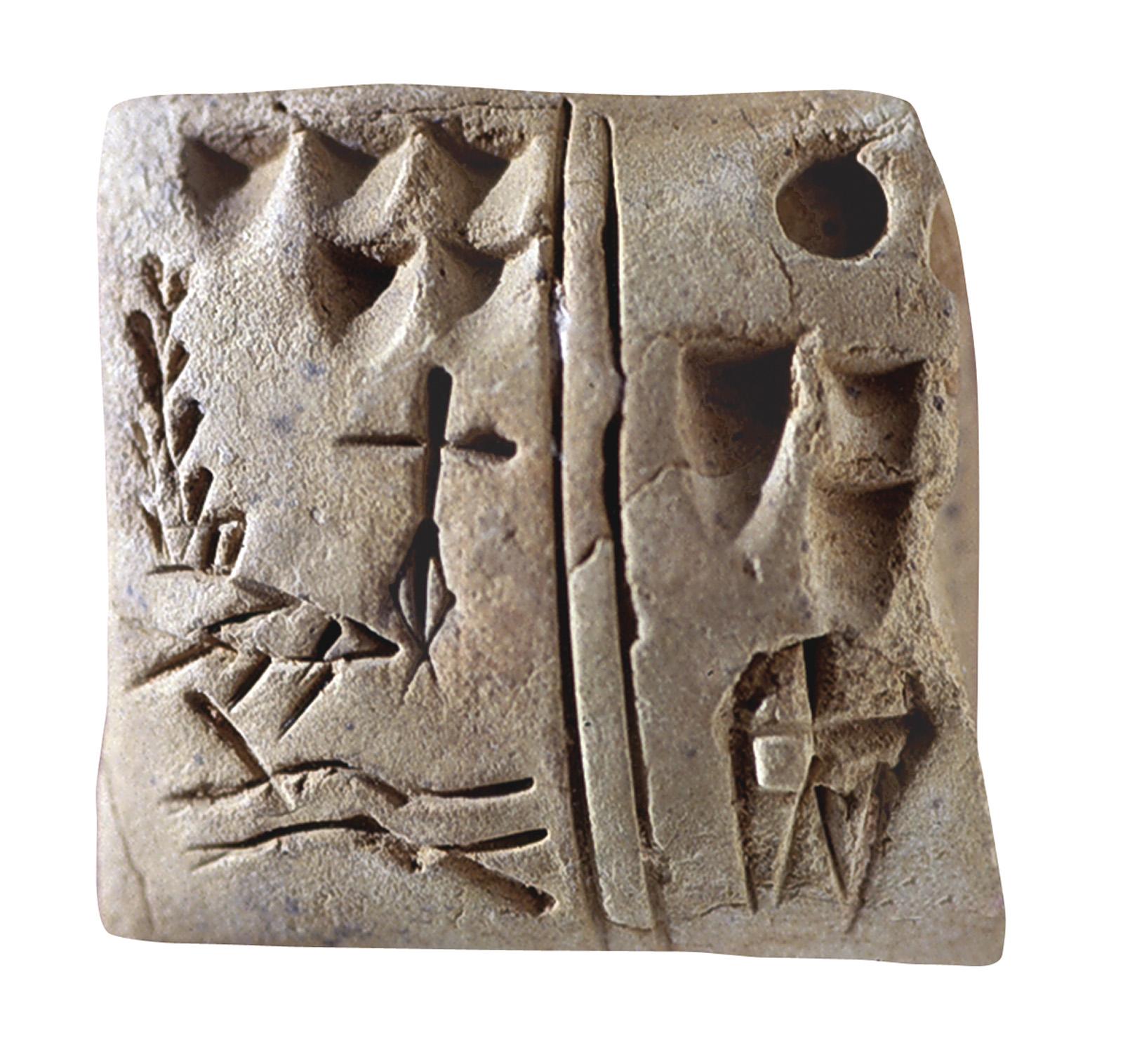
1–6. Archaic tablet fragment
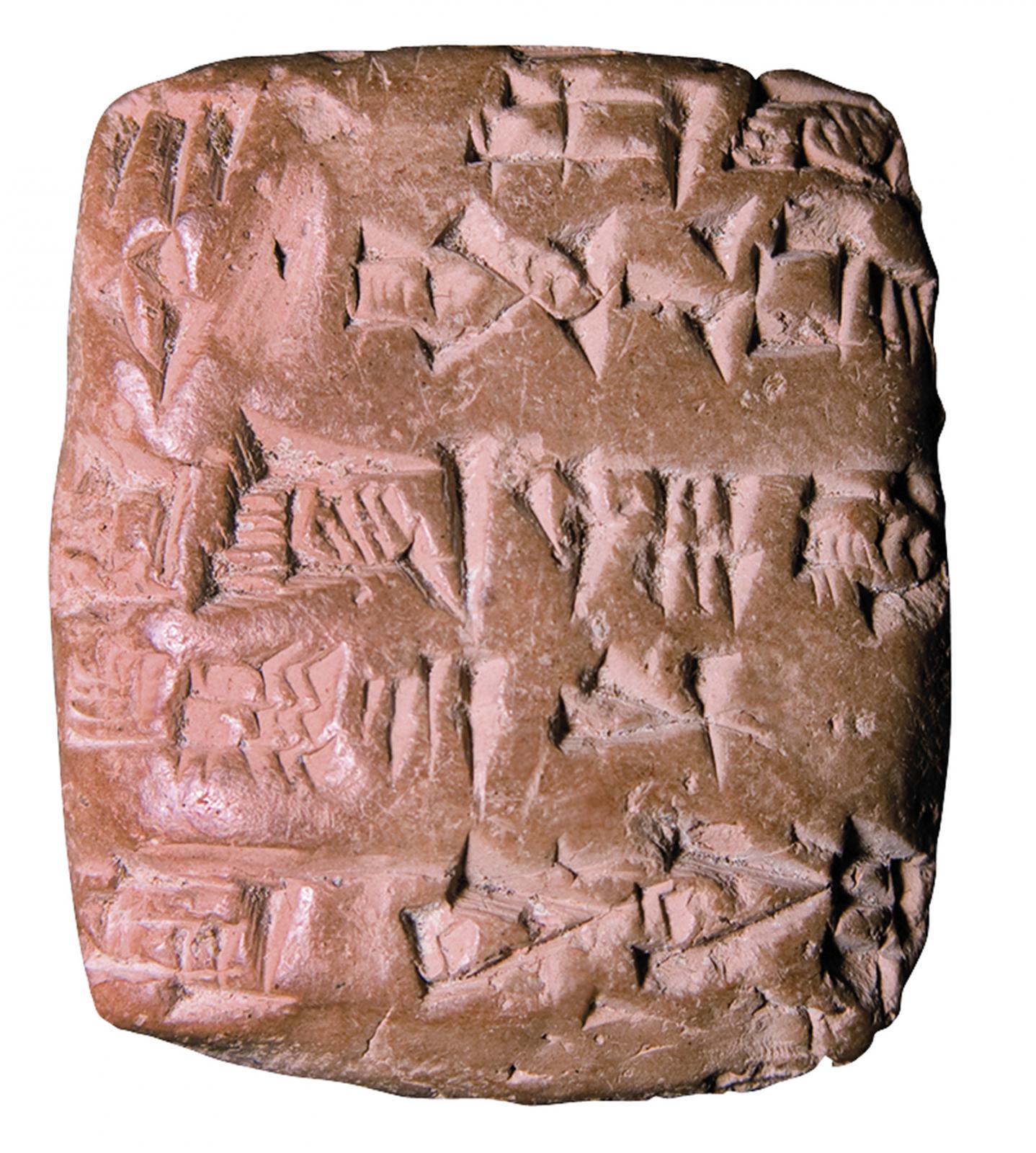
1–7. Cuneiform tablet from Umma
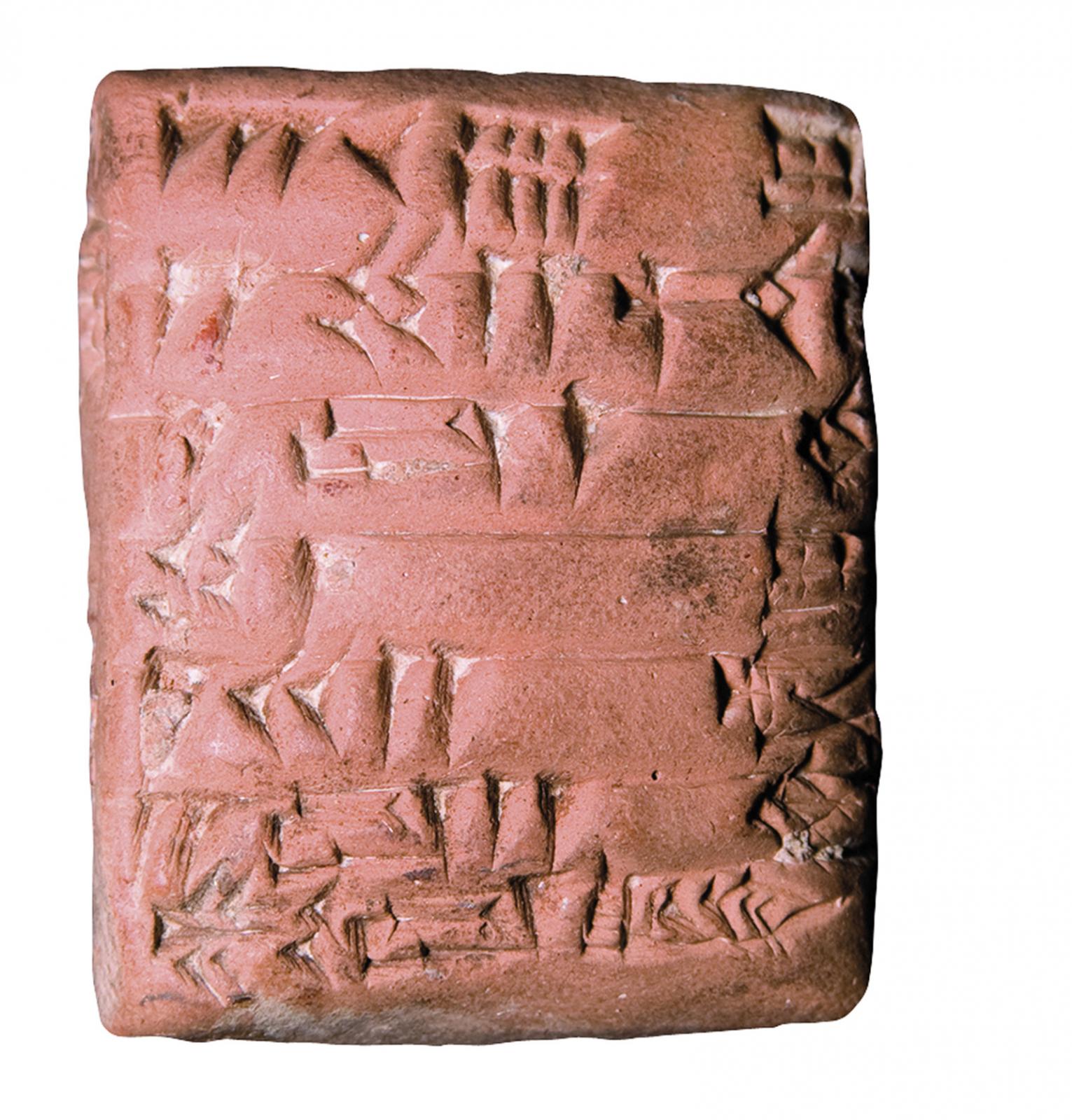
1–8. Cuneiform tablet from Drehem
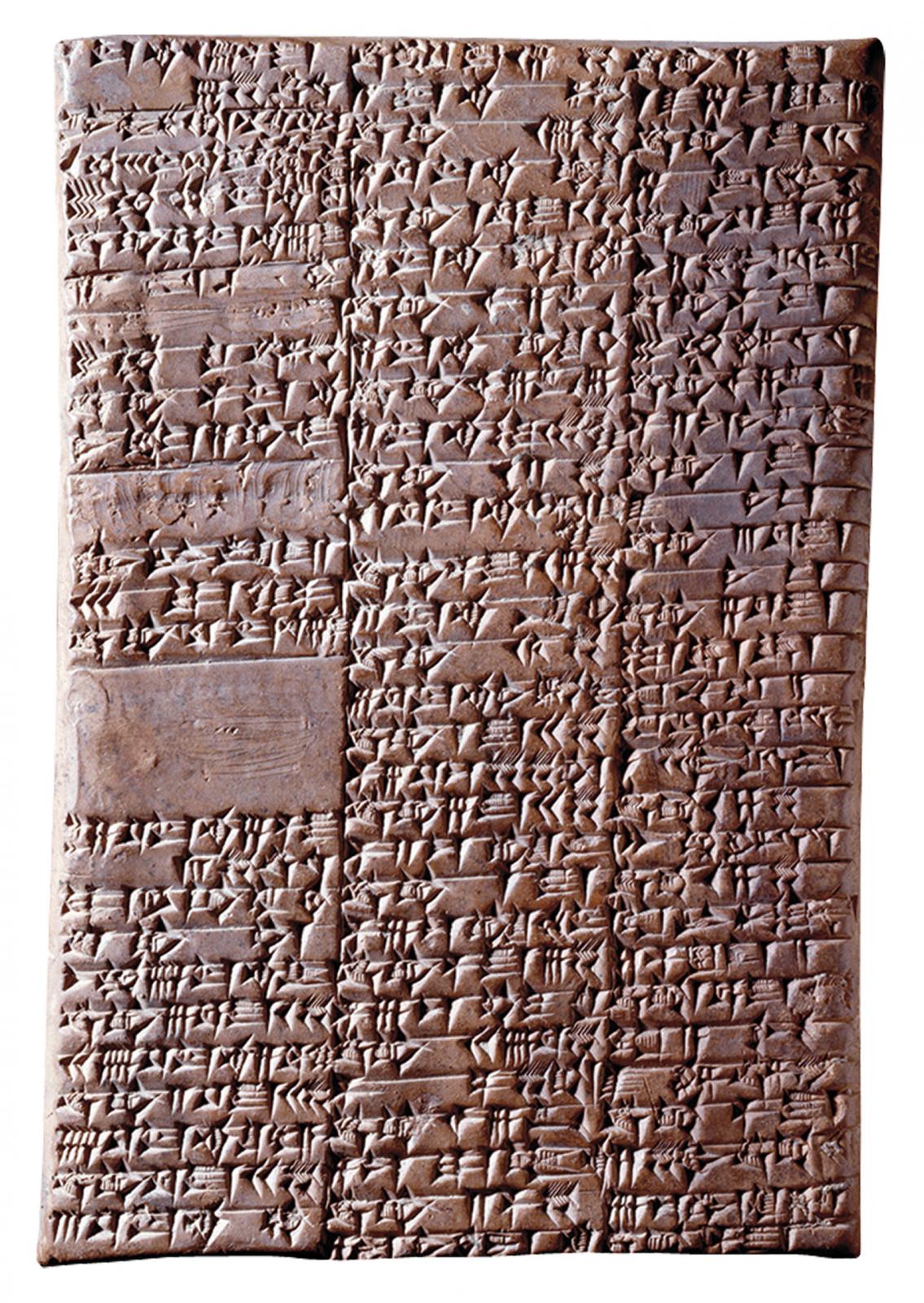
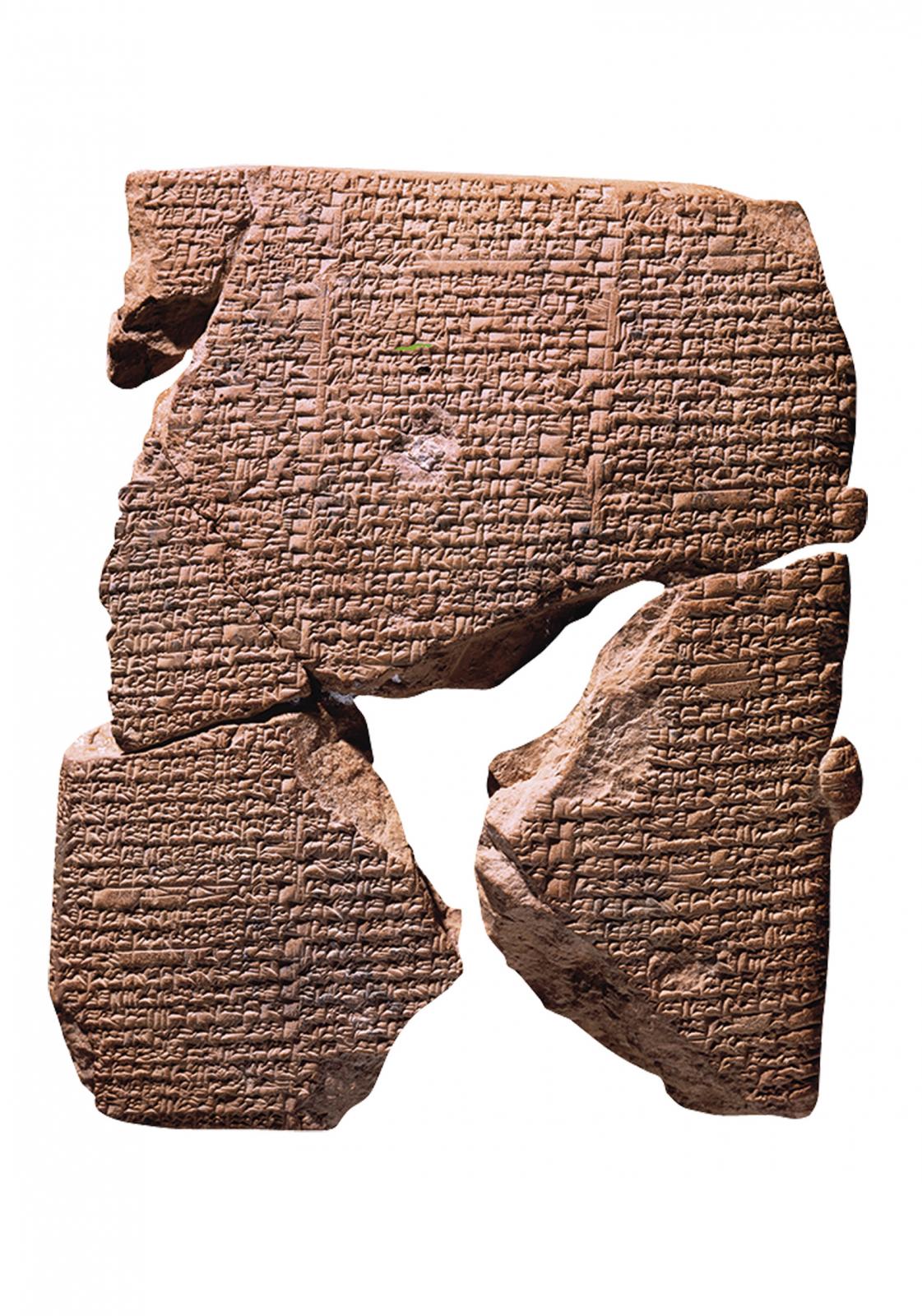
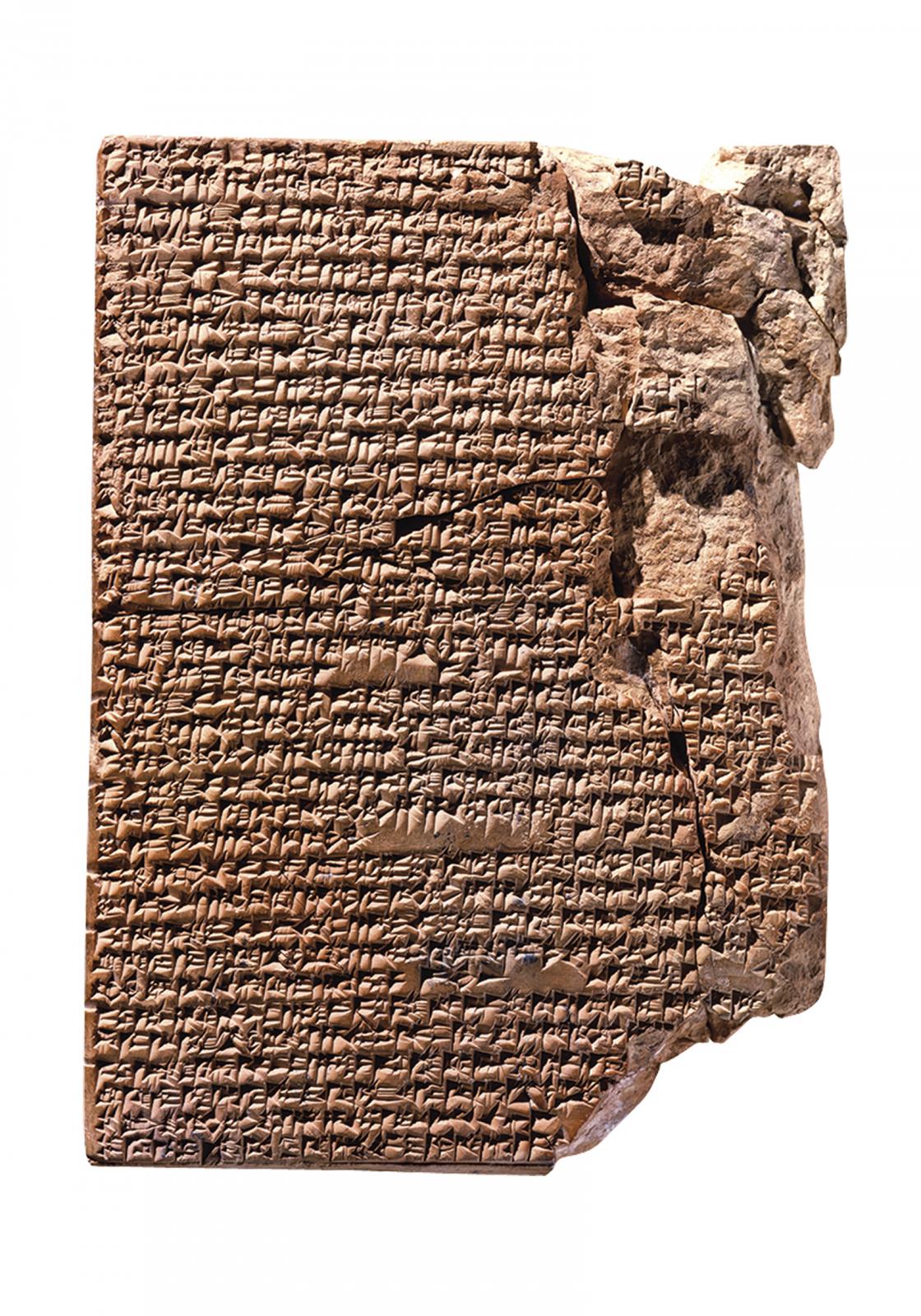
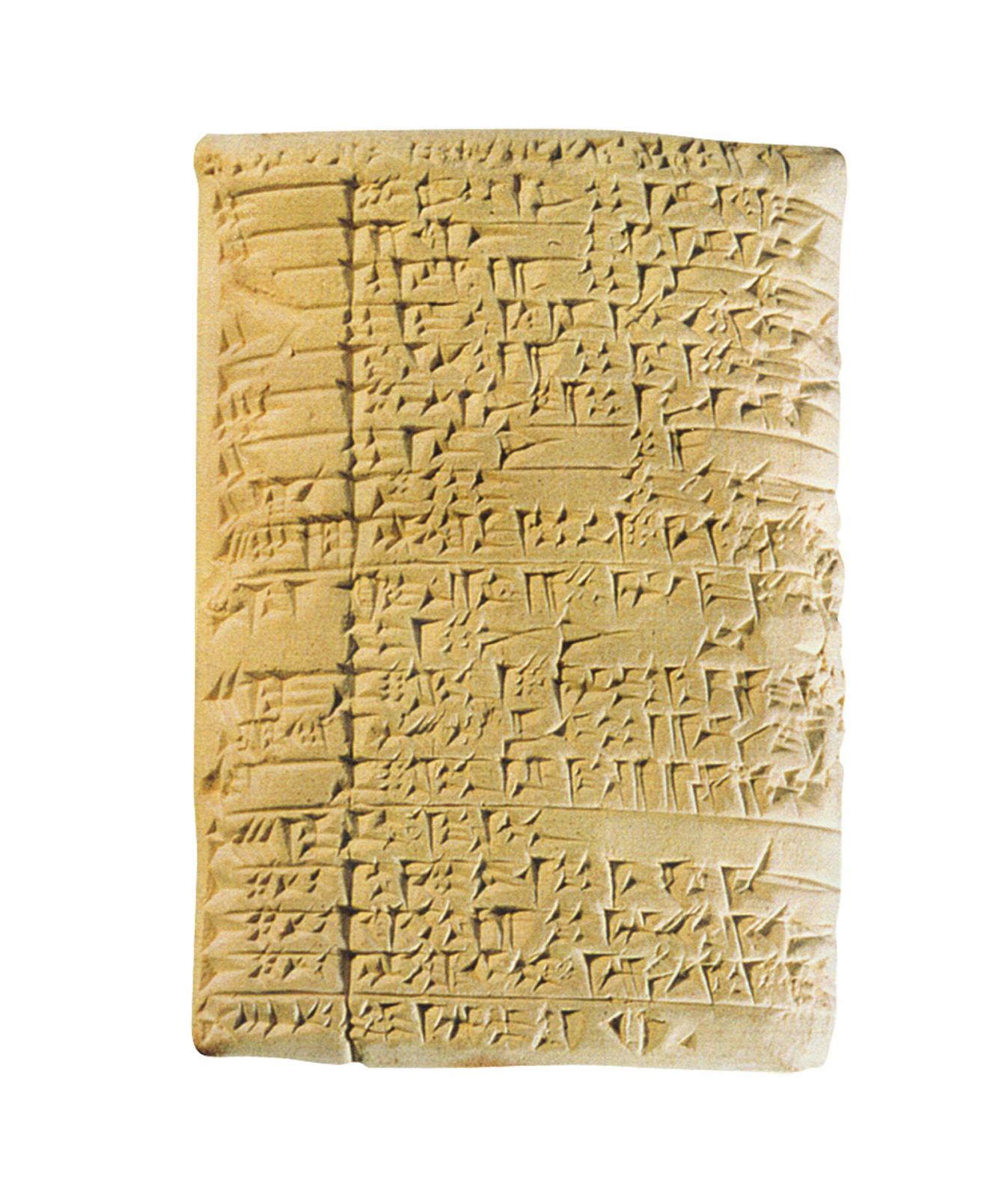
1–9. Ur III period, dated to Amar-Sin in Sumerian
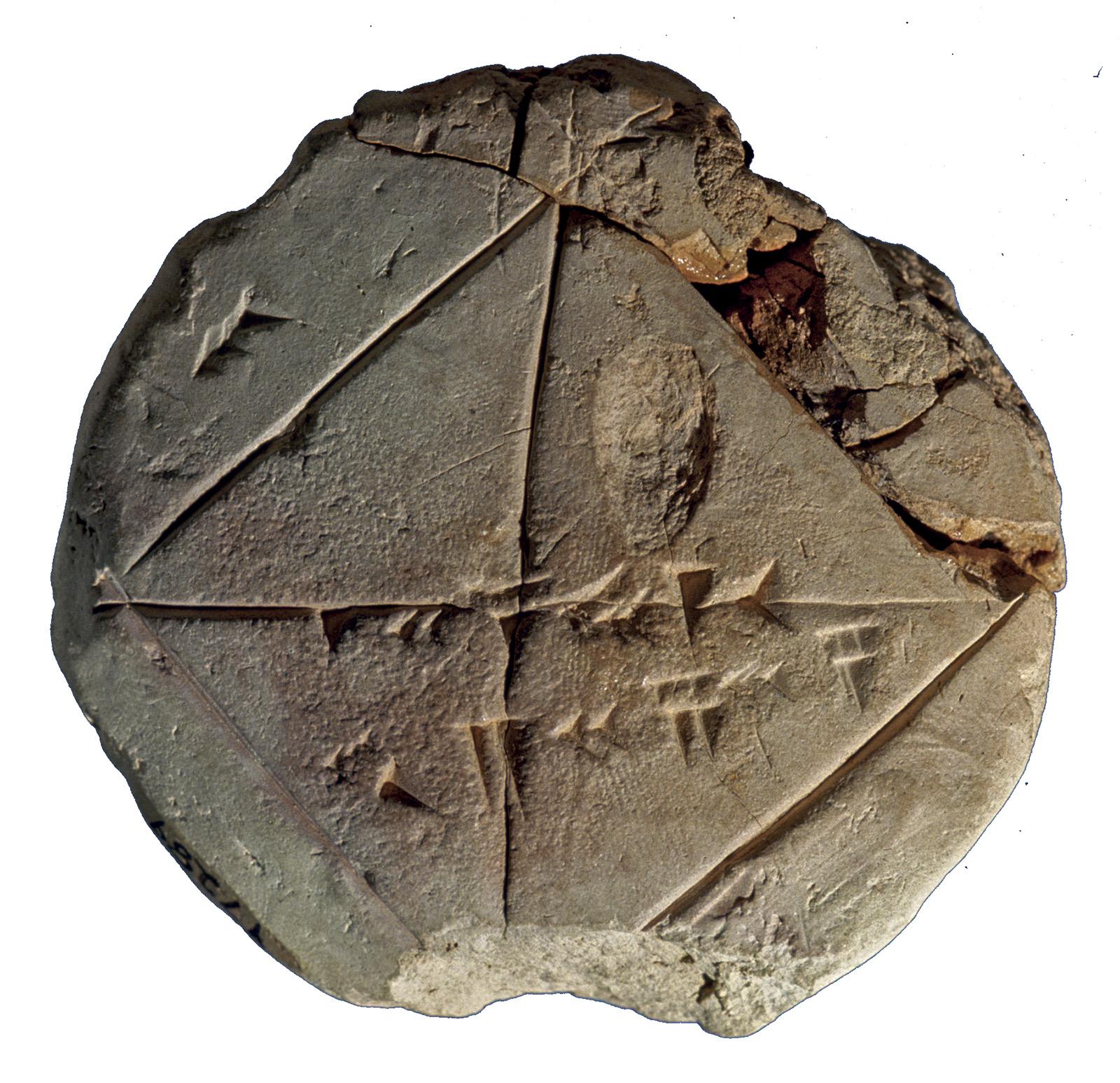
1–10. Old Babylonian (c. 1850 bce) in Akkadian
1–11. Old Babylonian (c. 1850 bce) in Akkadian
1–12. Middle Babylonian, dated Shagarakti-Shunash
1–13. Old Babylonian
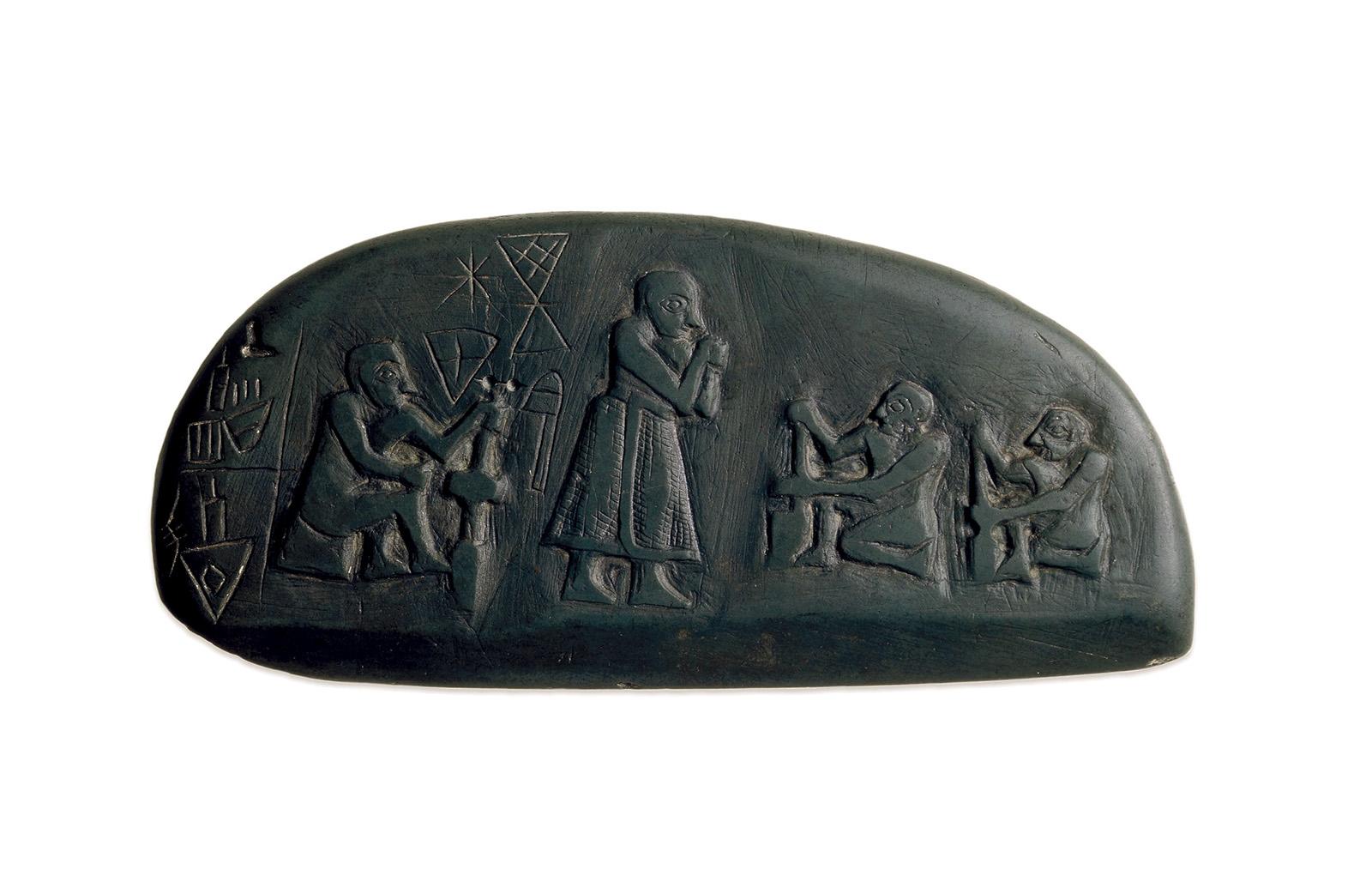
1–14. The Blau monument, early Sumerian
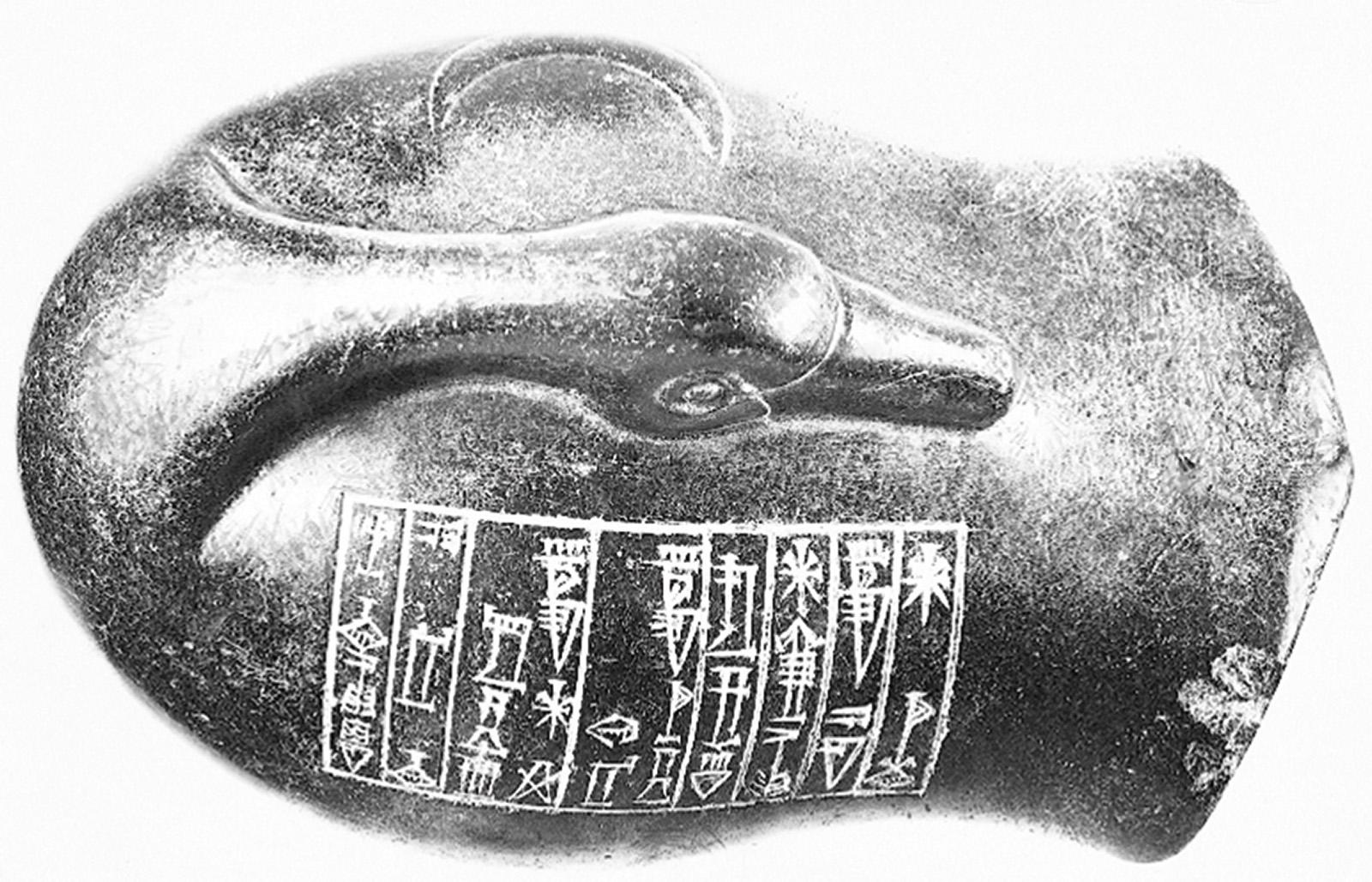
1–15. Black stone duck weight
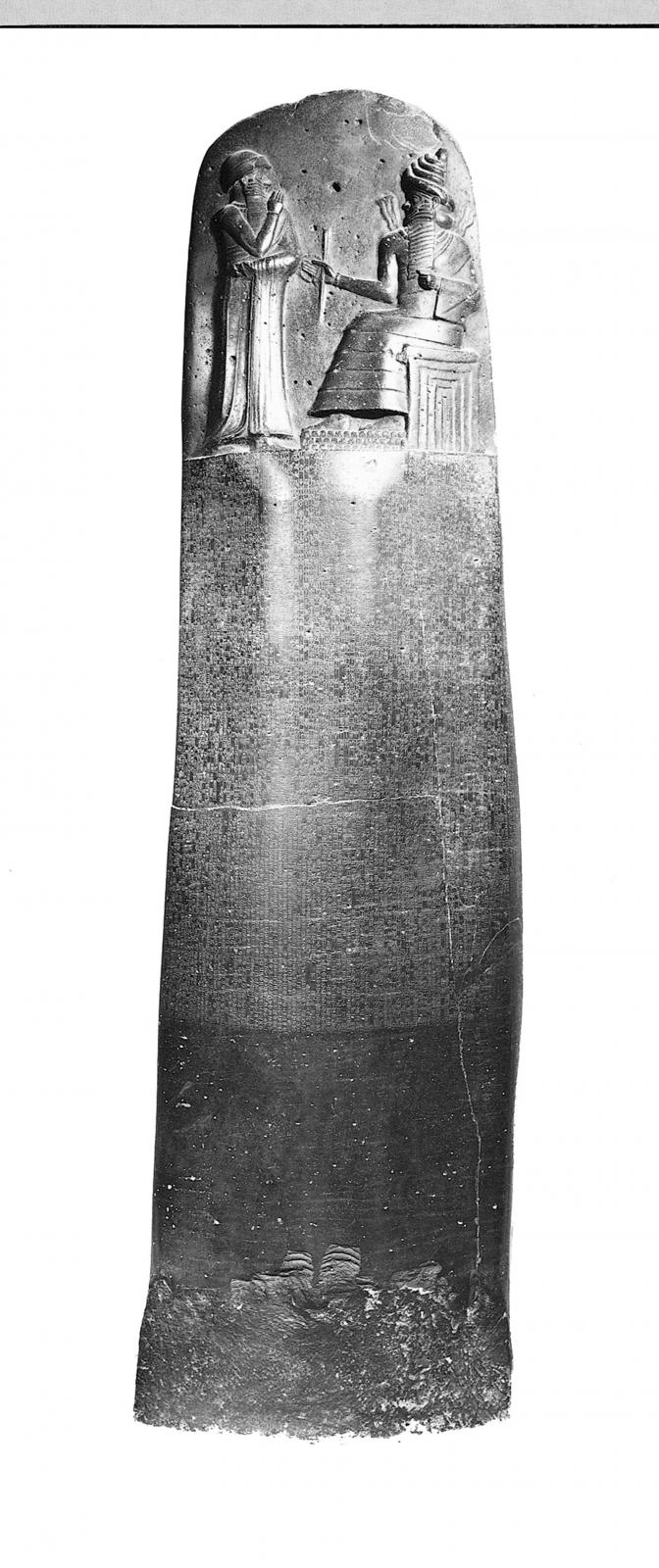
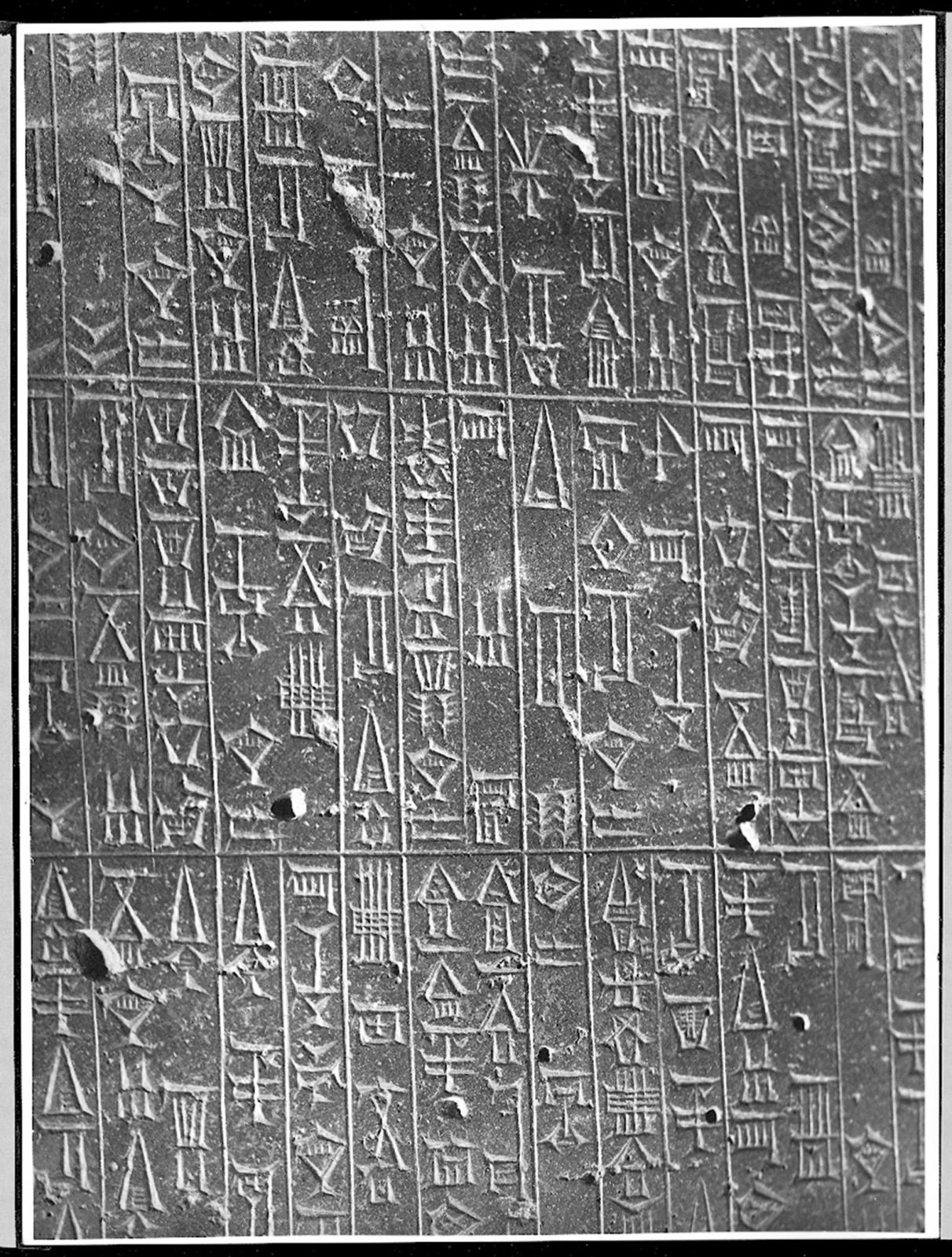
1–16. Stele bearing the Code of Hammurabi
1–17. Detail of the Code of Hammurabi
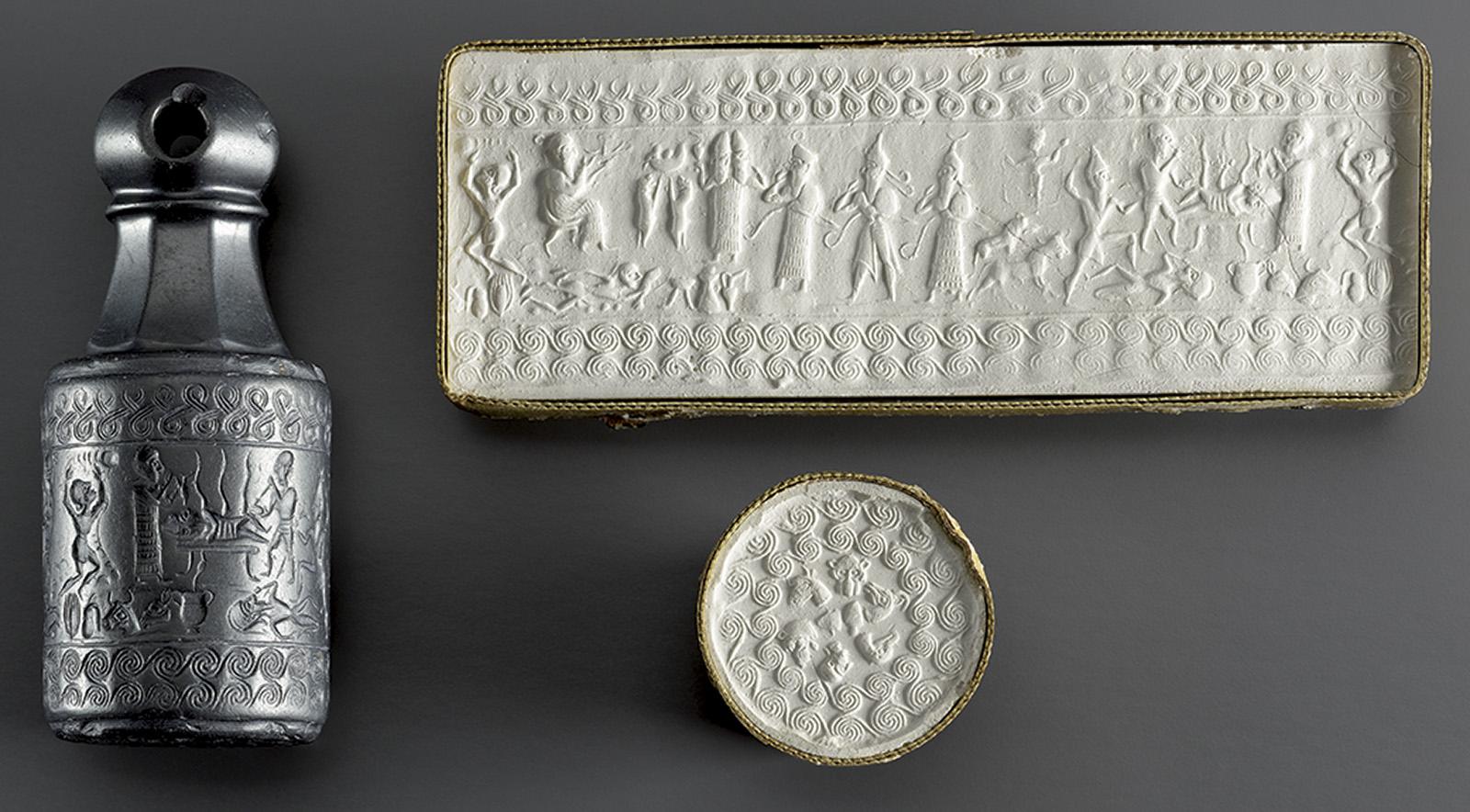
1–18. Stamp-cylinder seal (“the Tyszkiewicz seal”), Hittite
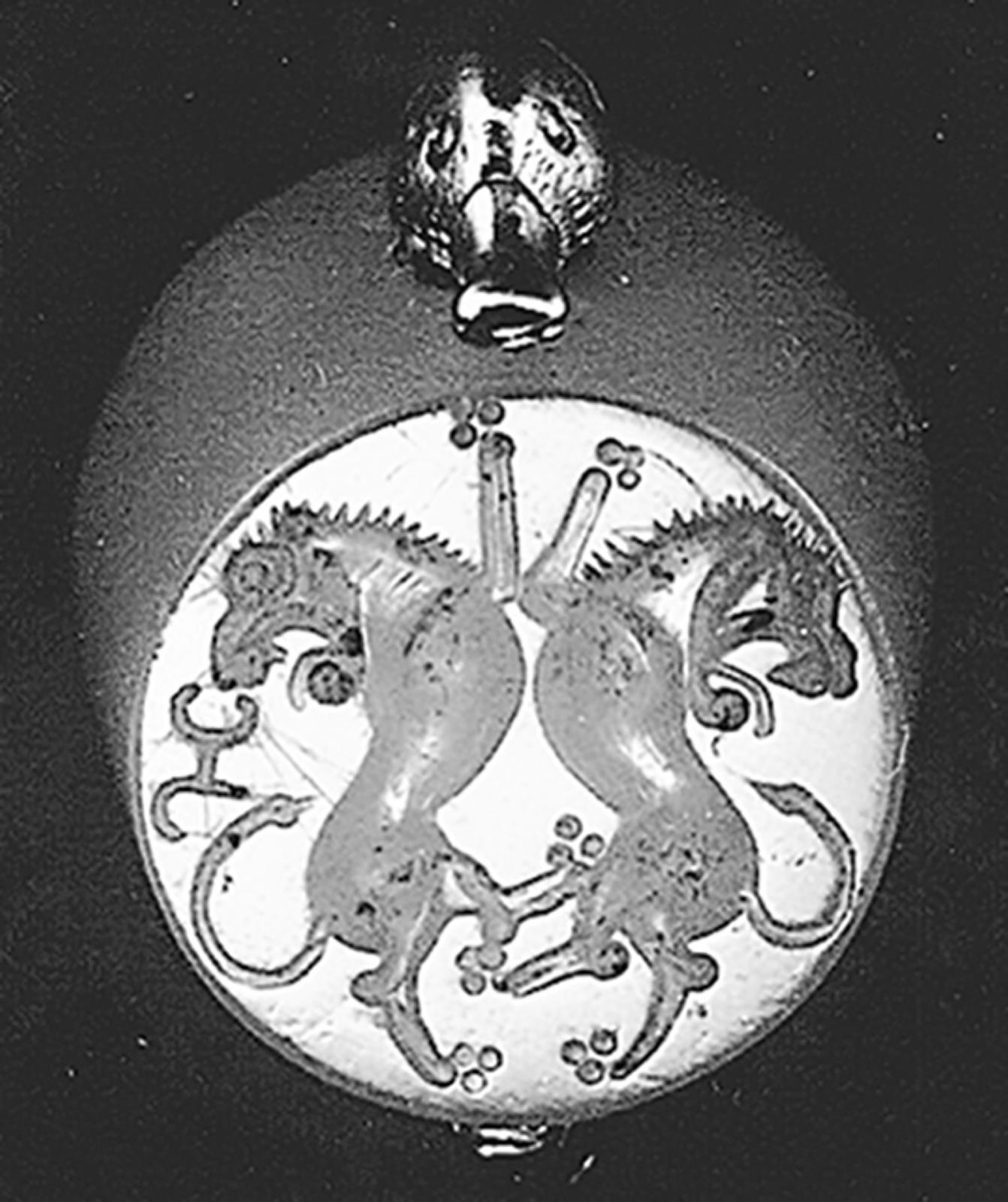
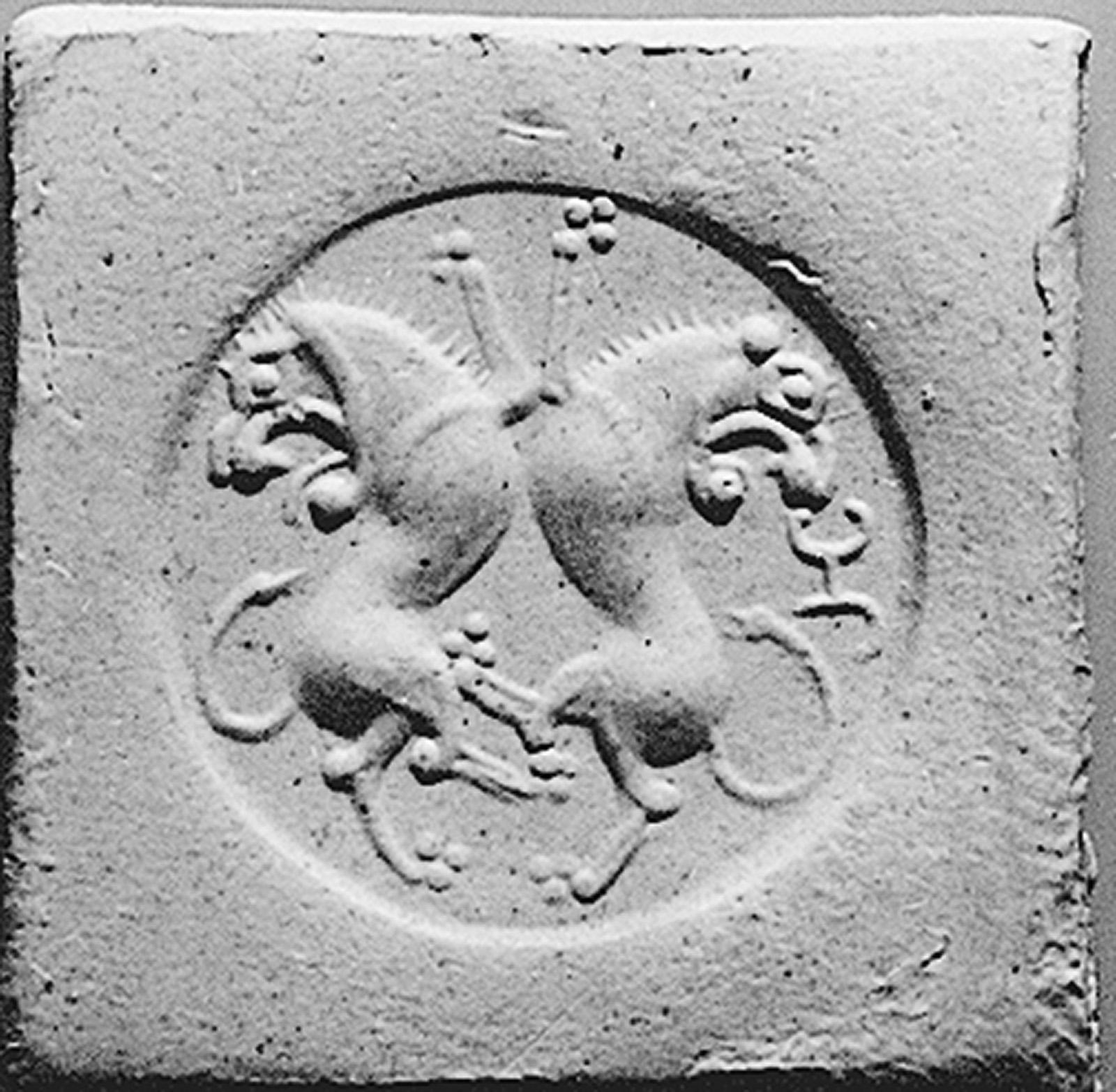
1–19. Persian stamp seal
1–20. Persian stamp seal
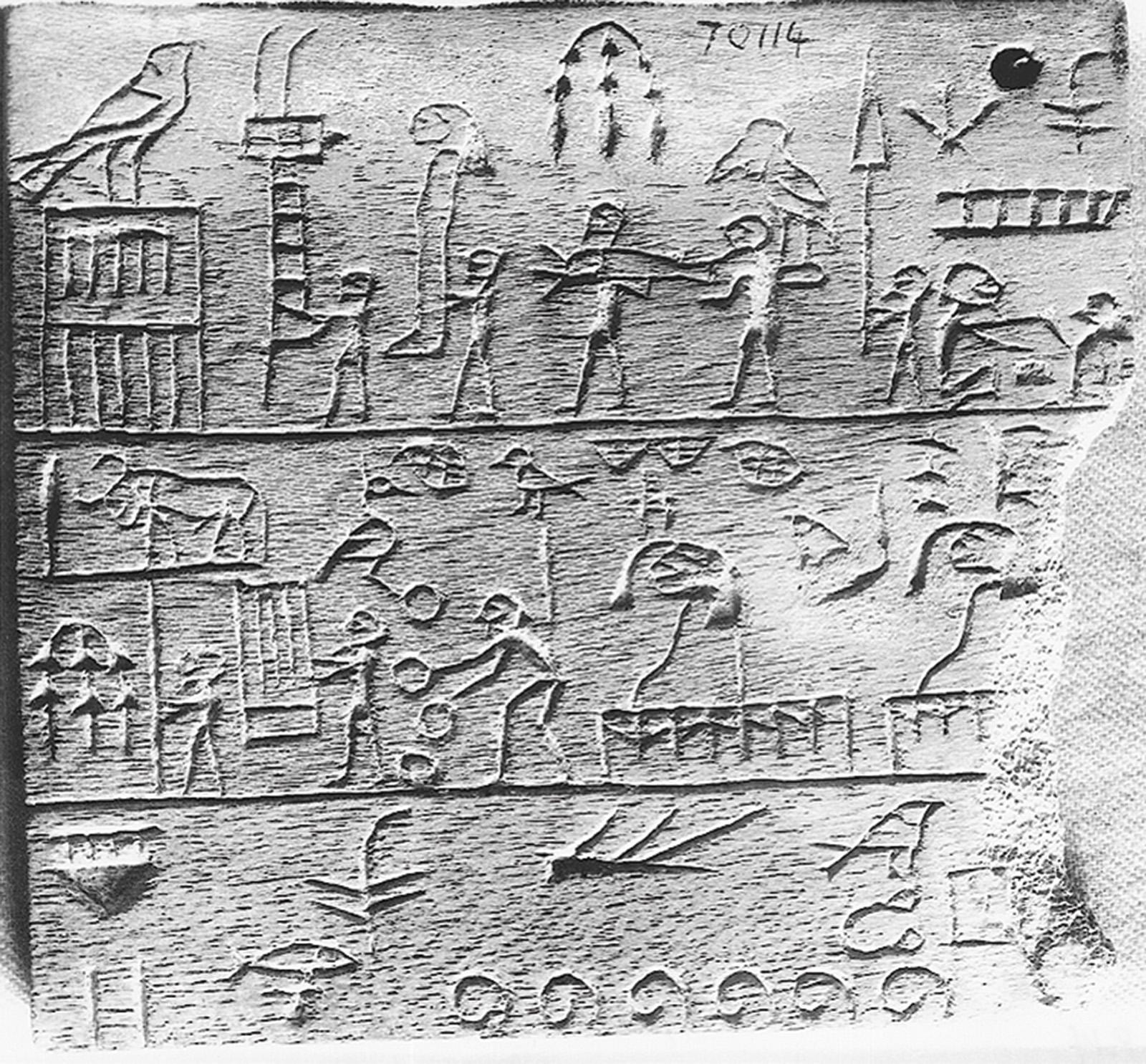
1–21. Ivory tablet of King Zet, First Dynasty.
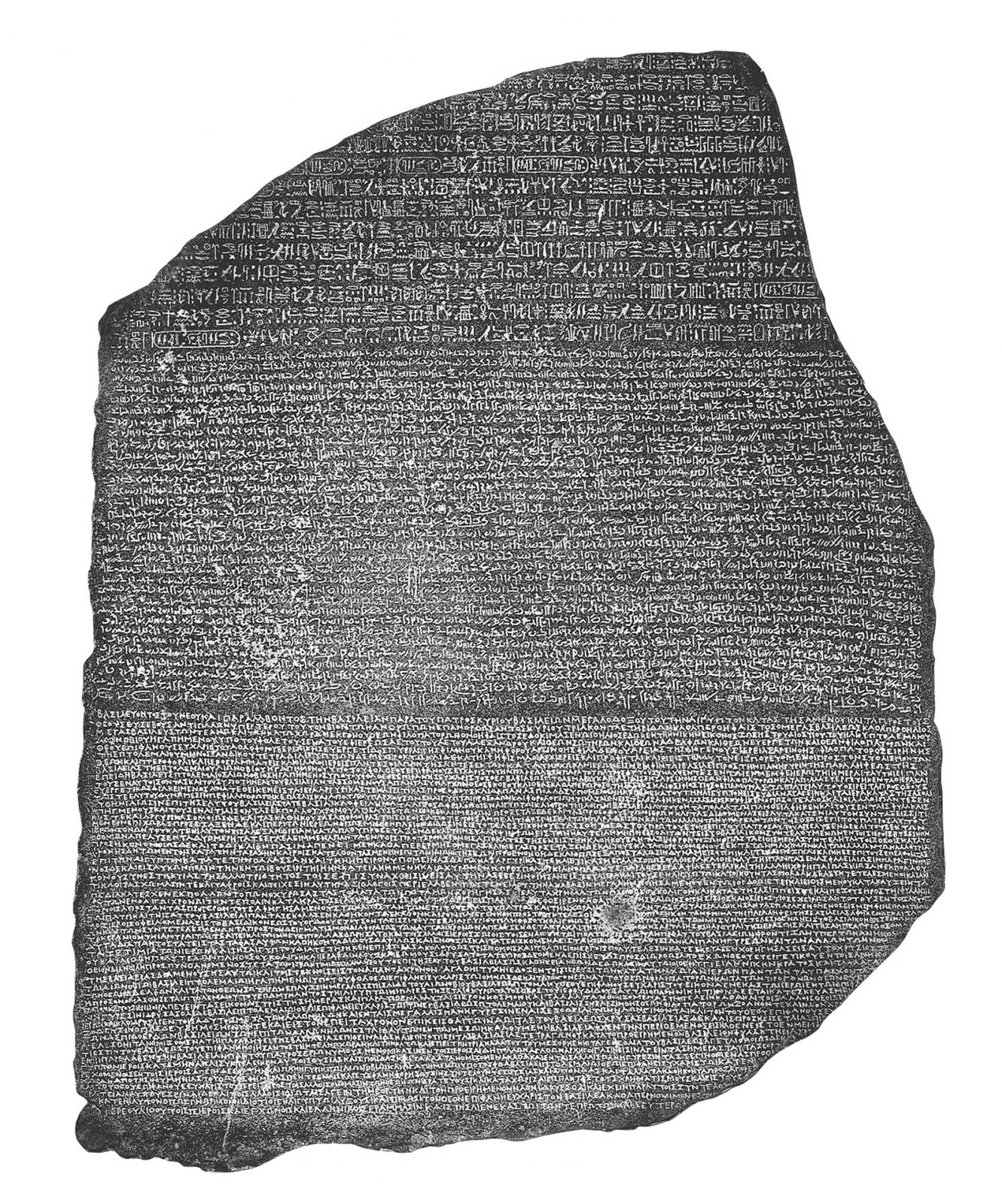
1–22. The Rosetta Stone
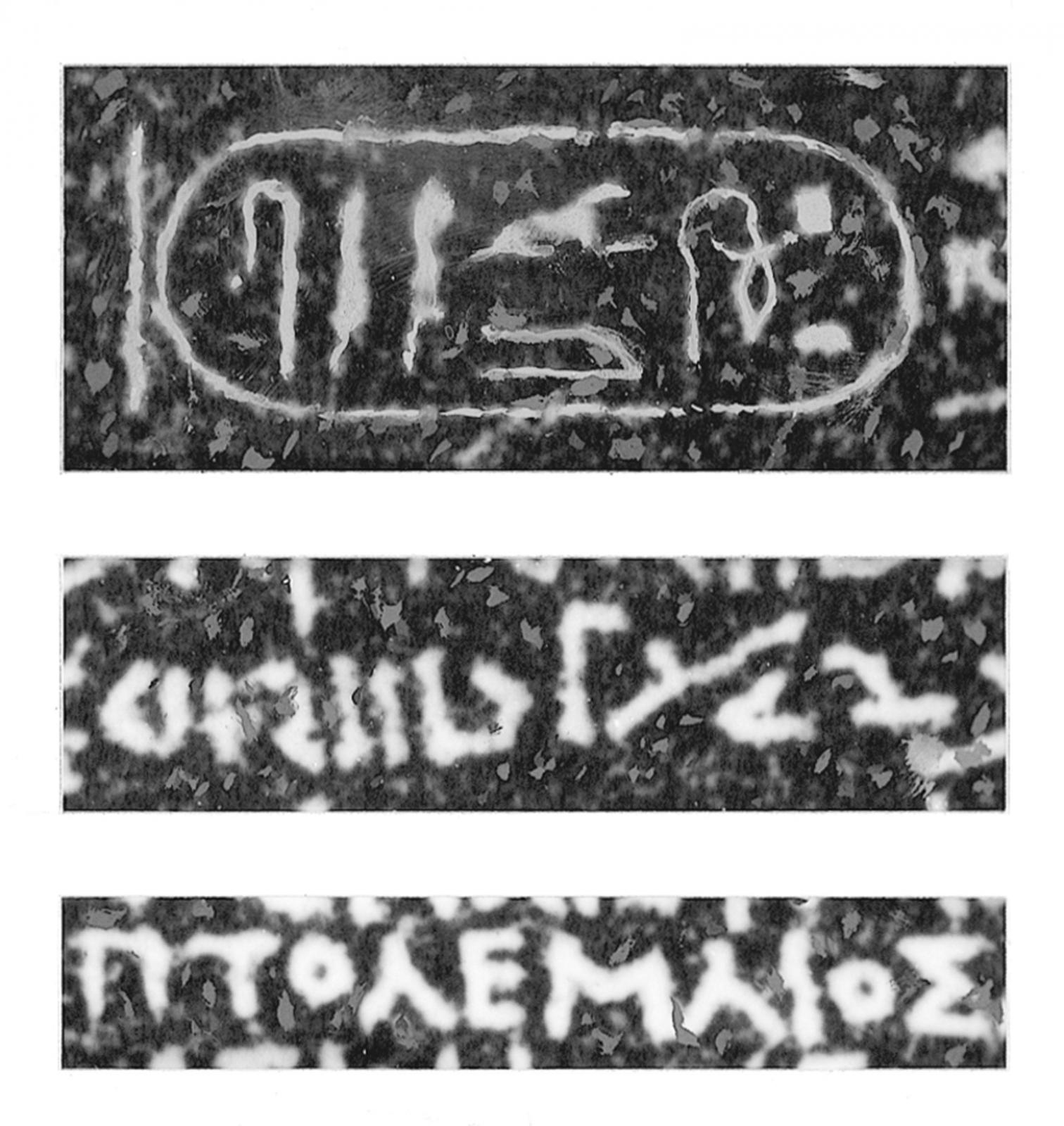
1–23. Details of the Rosetta Stone
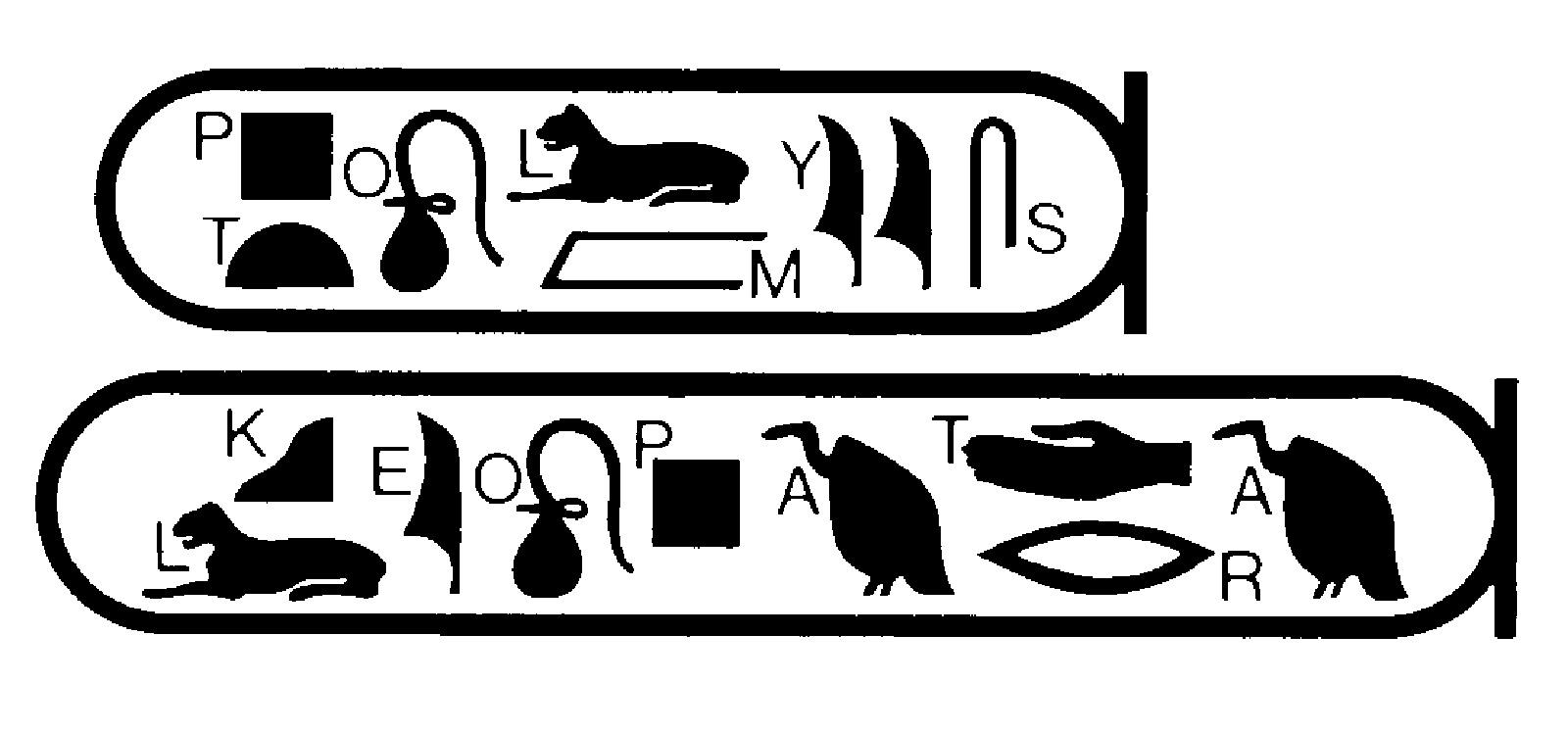
1–24. Alphabet characters placed beside each hieroglyph
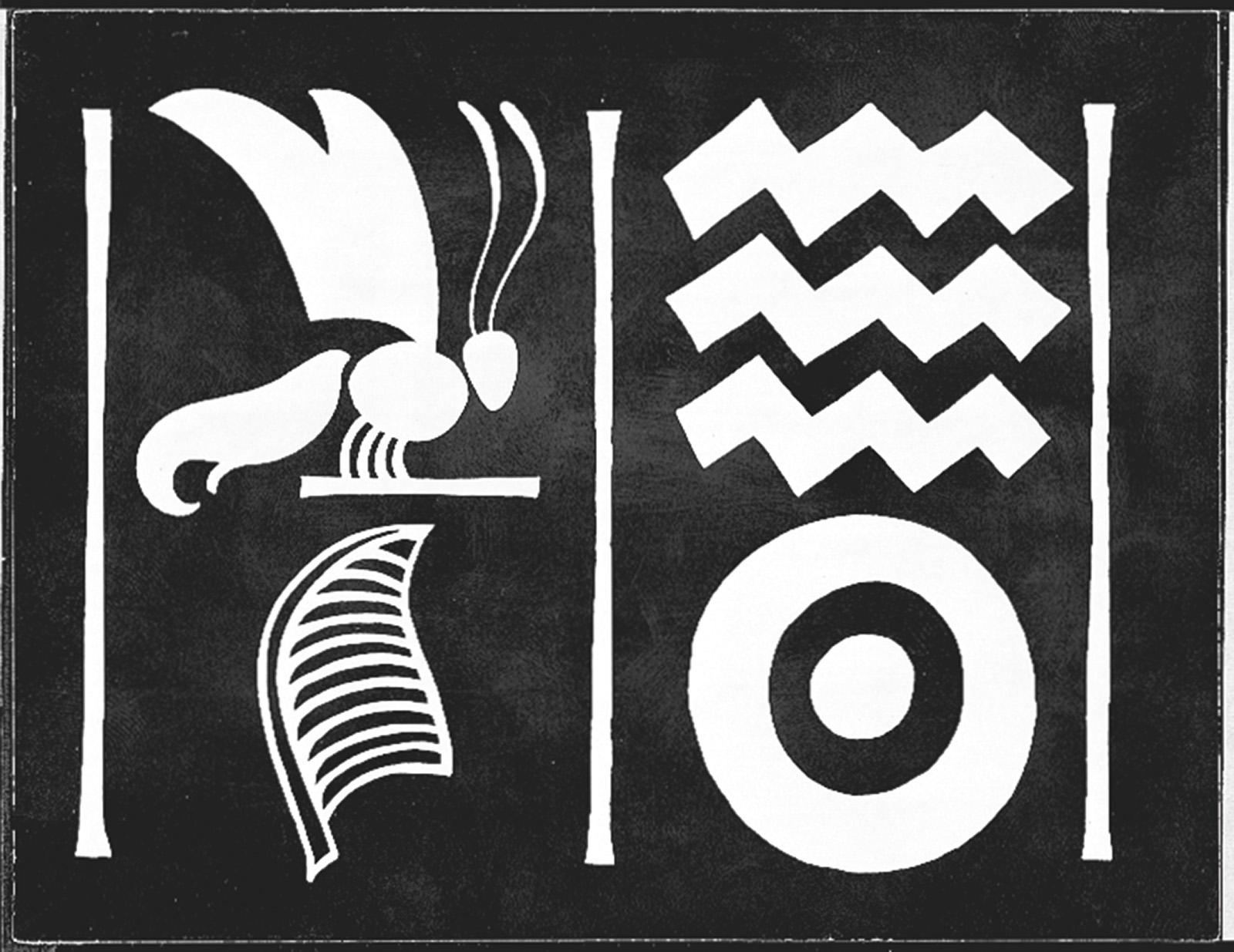
1–25. These Egyptian hieroglyphs illustrate the rebus principle
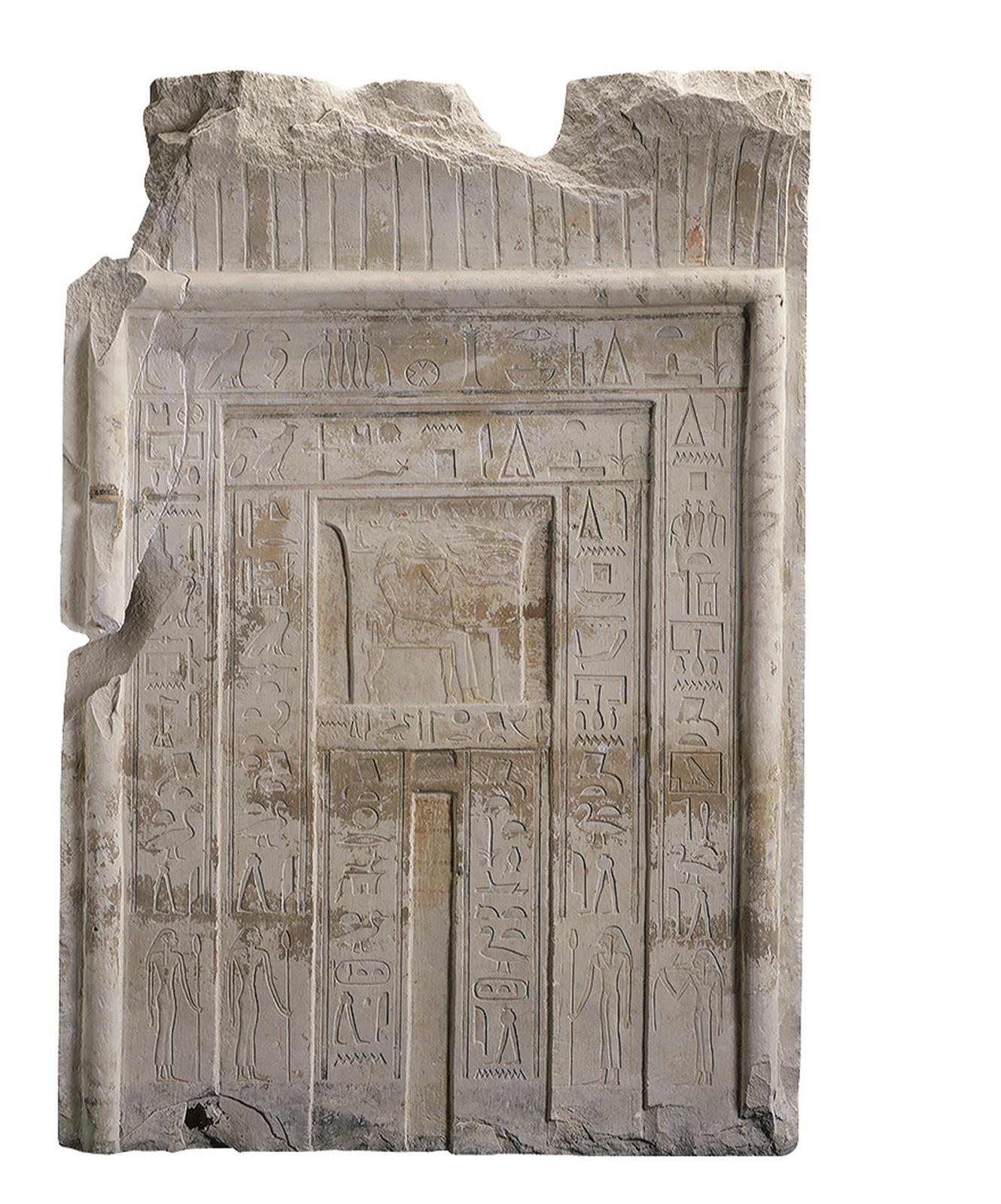
1–26. False door of Sitinteti, Old Kingdom, Sixth Dynasty
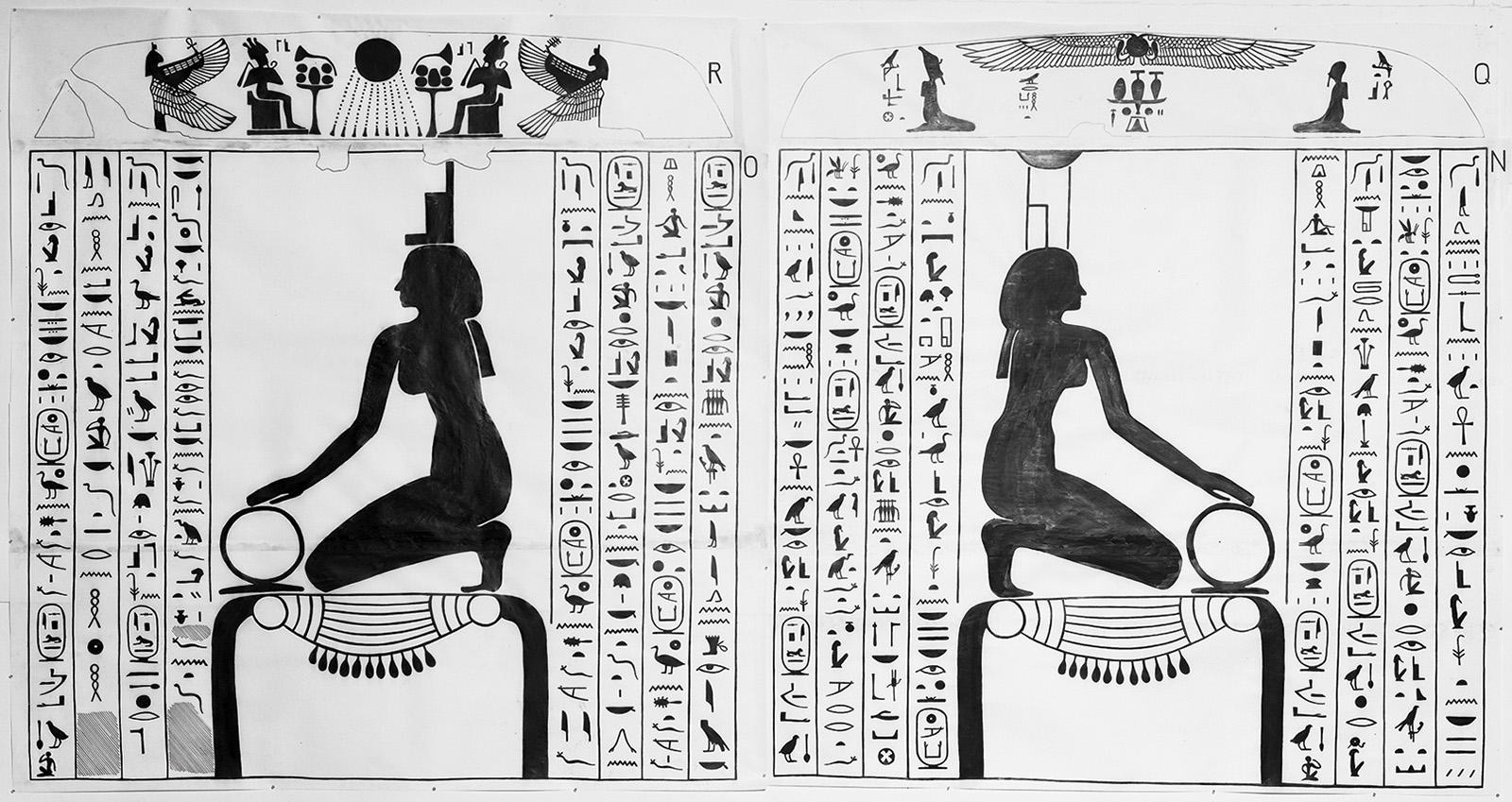
1–27. Drawing of the Sarcophagus of Aspalta. King of Nubia (Sudan)
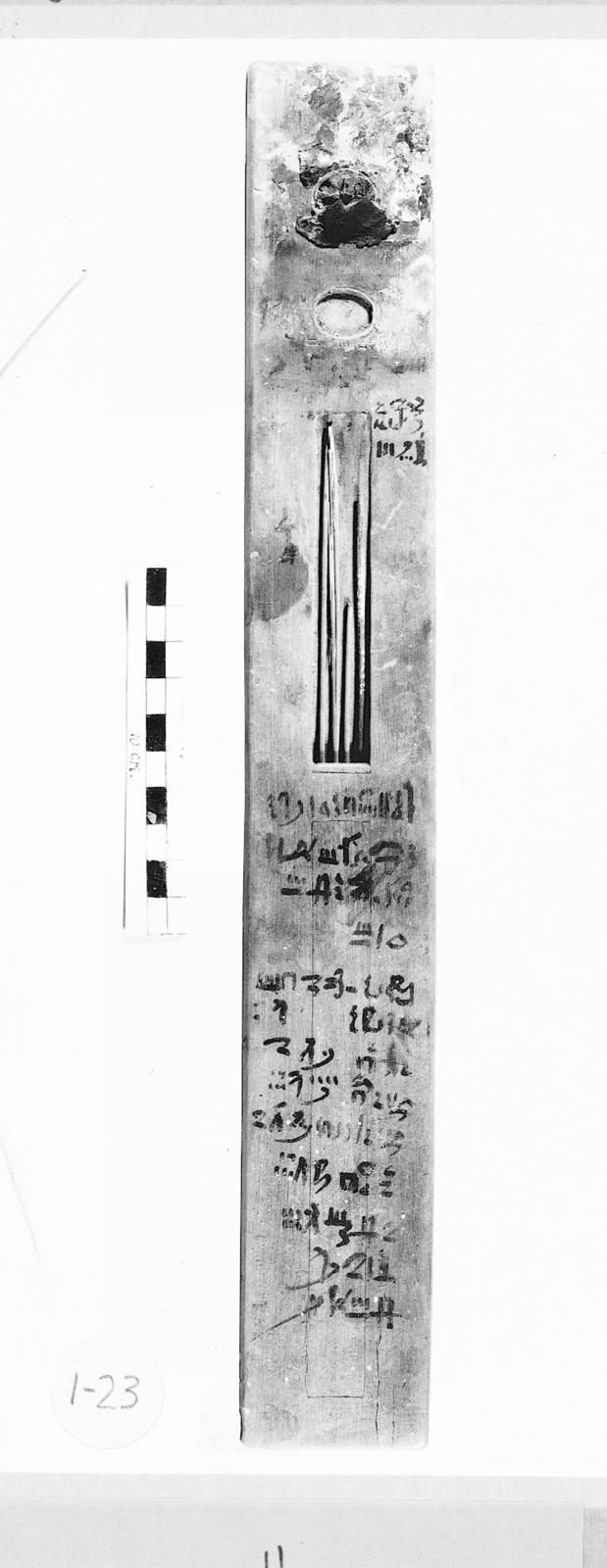
1–28. Egyptian scribe’s palette with an inscription in hieratic script.
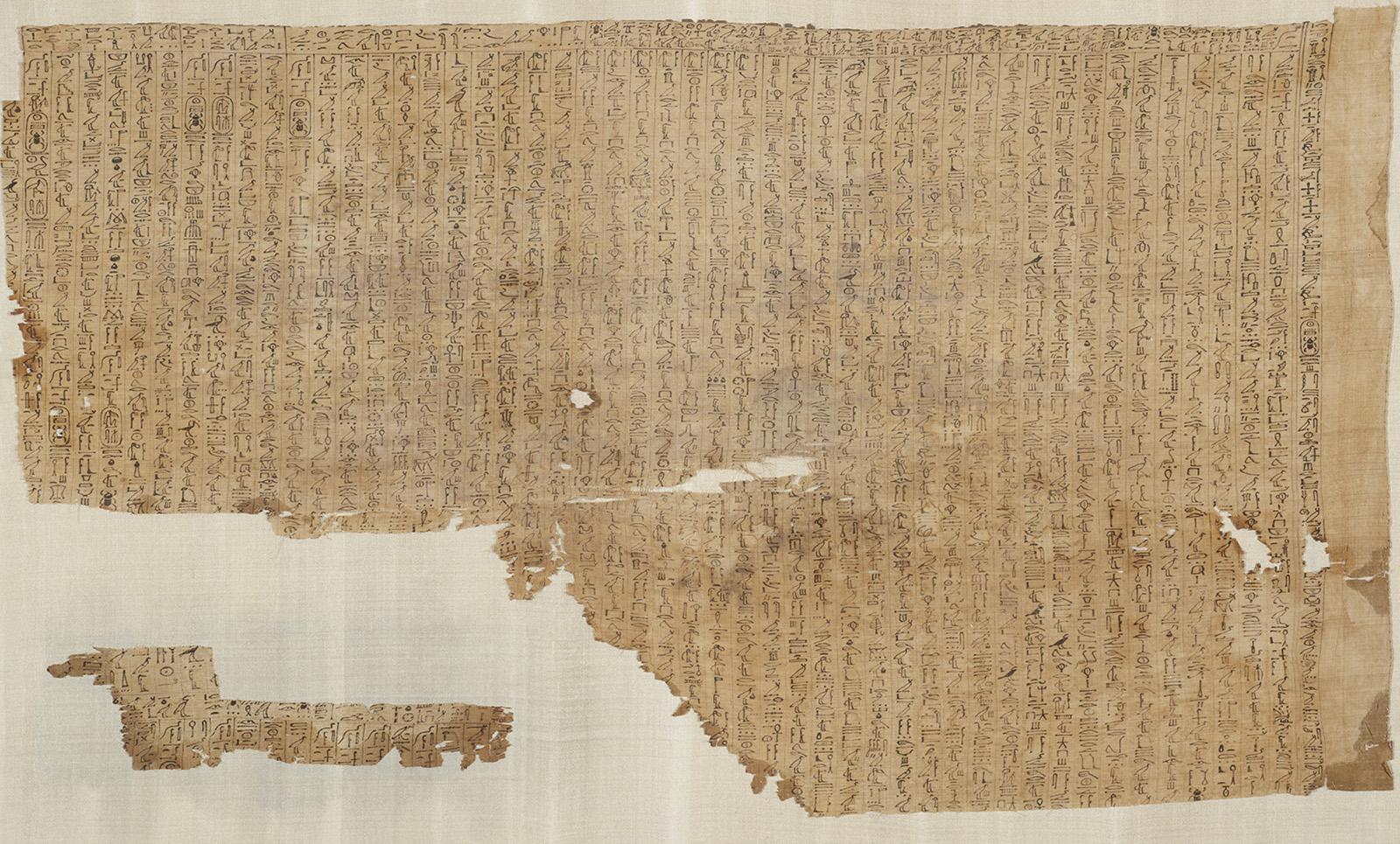
1–29. Mummy shroud fragment of Tuthmosis III
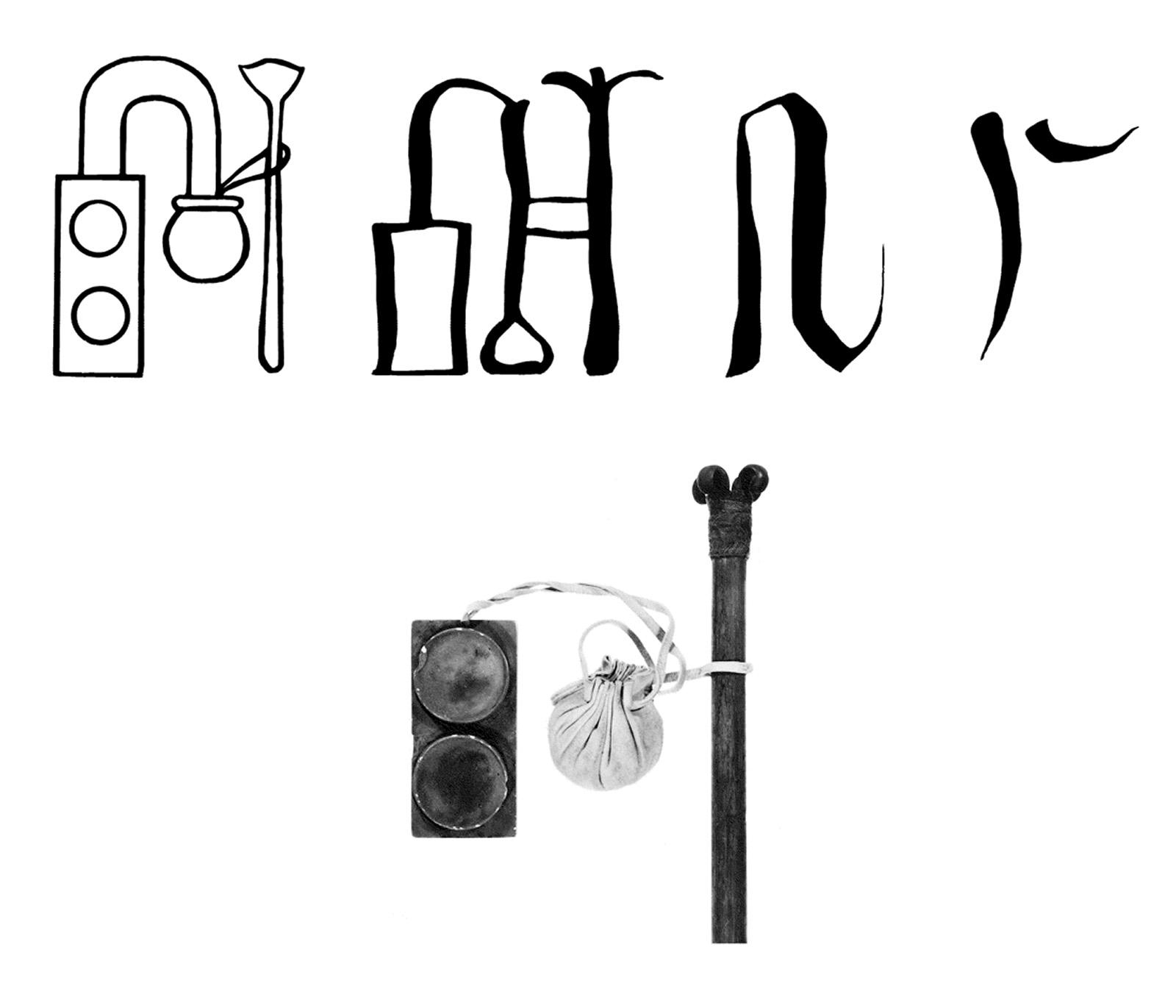
1–30. The hieroglyph for scribe depicted the Old Kingdom palette, the drawstring sack for dried ink cakes, and a reed brush holder.
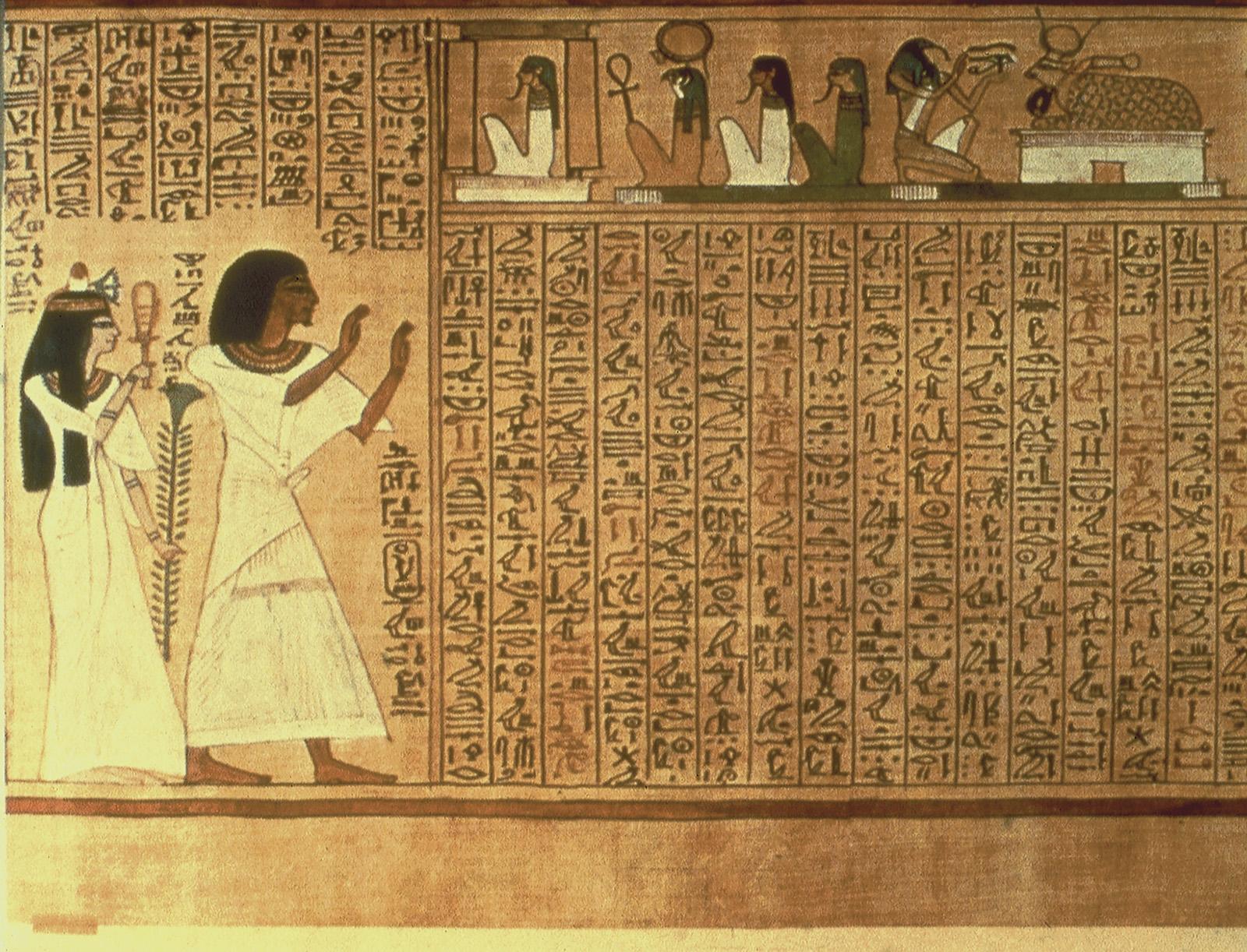
1–31. Detail from the Papyrus of Hunefer
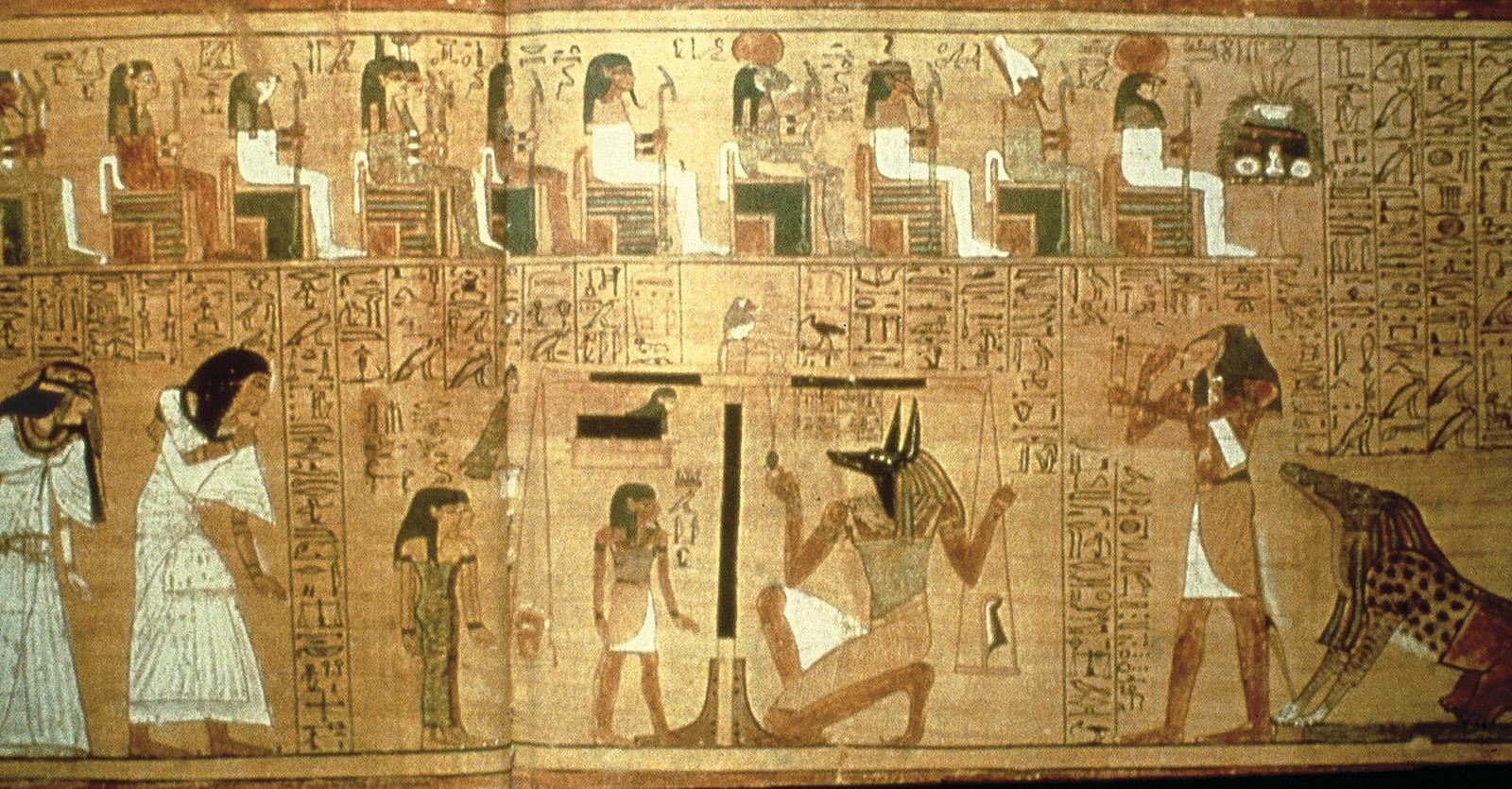
1–32. Vignette from the Papyrus of Ani
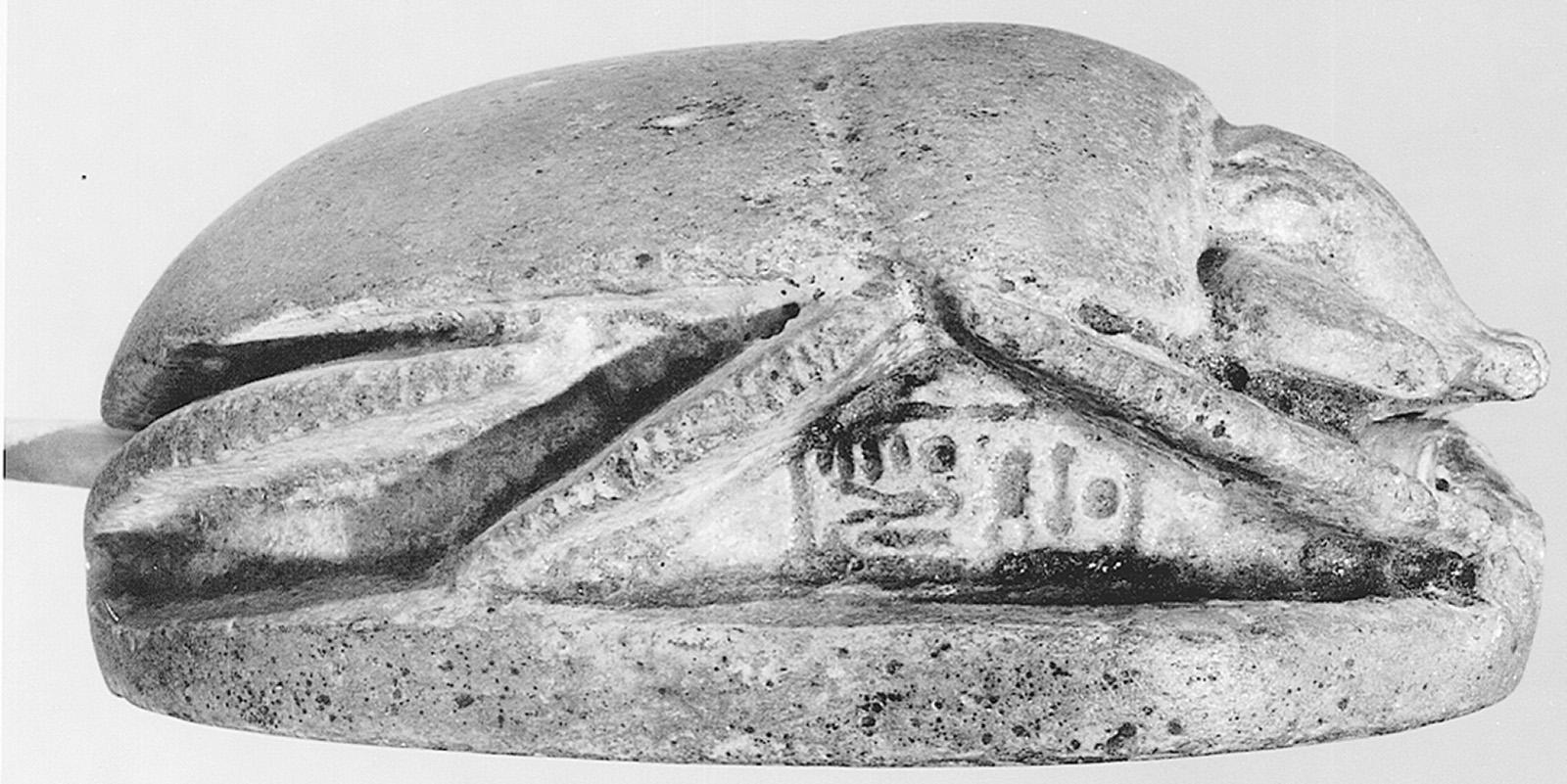
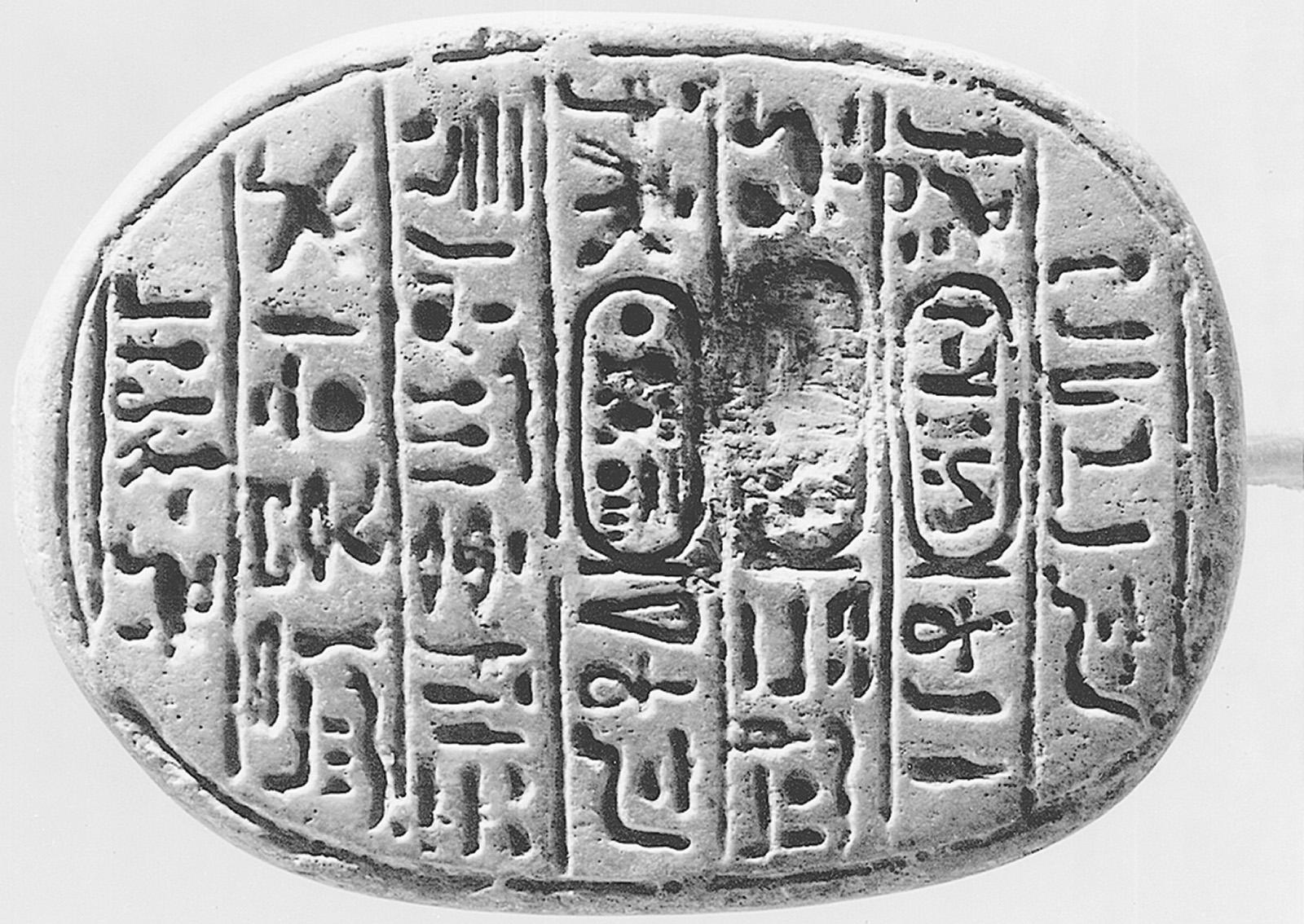
1–33 Scarab of lkhnaton and Nefertiti
1–34. Scarab of lkhnaton and Nefertiti